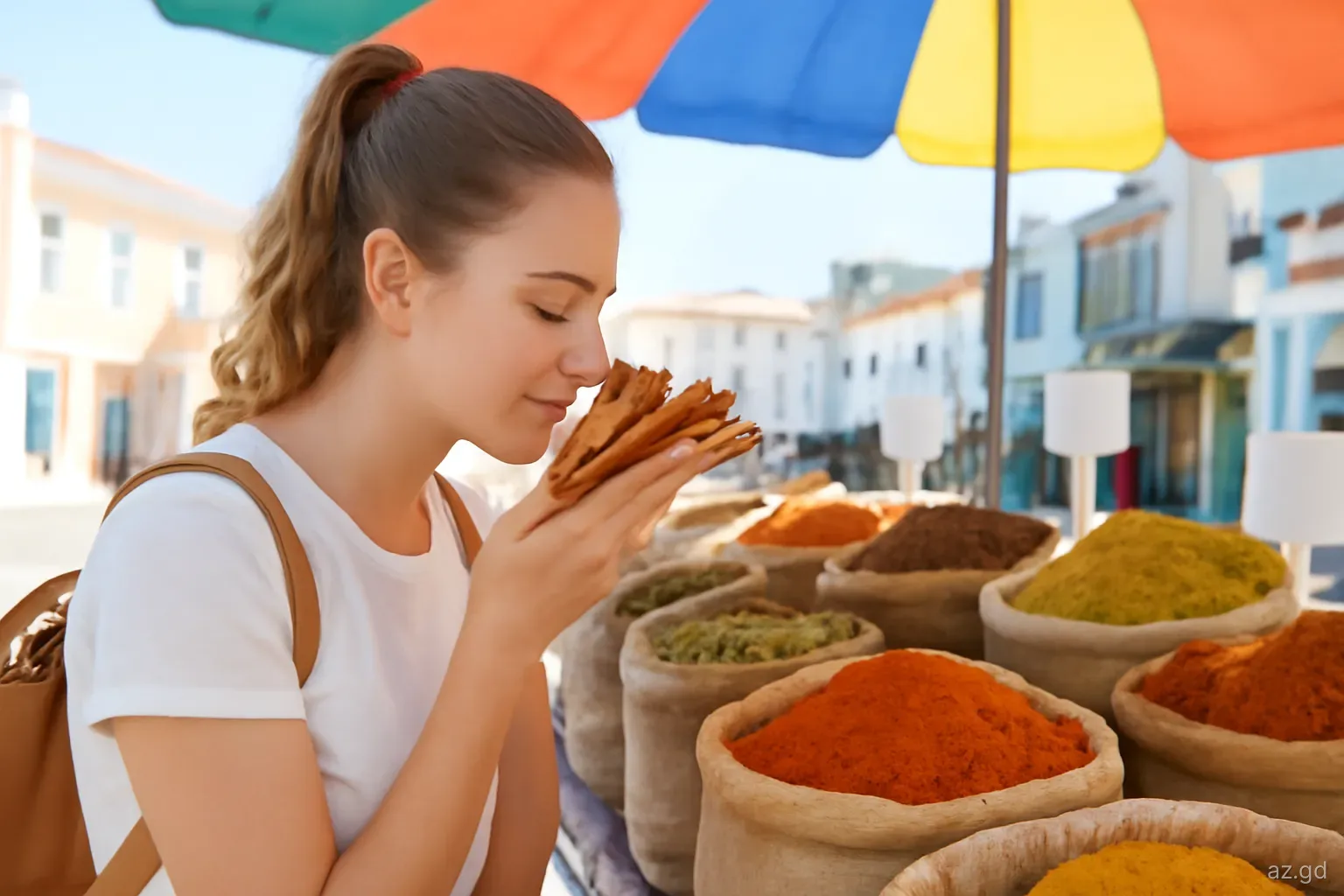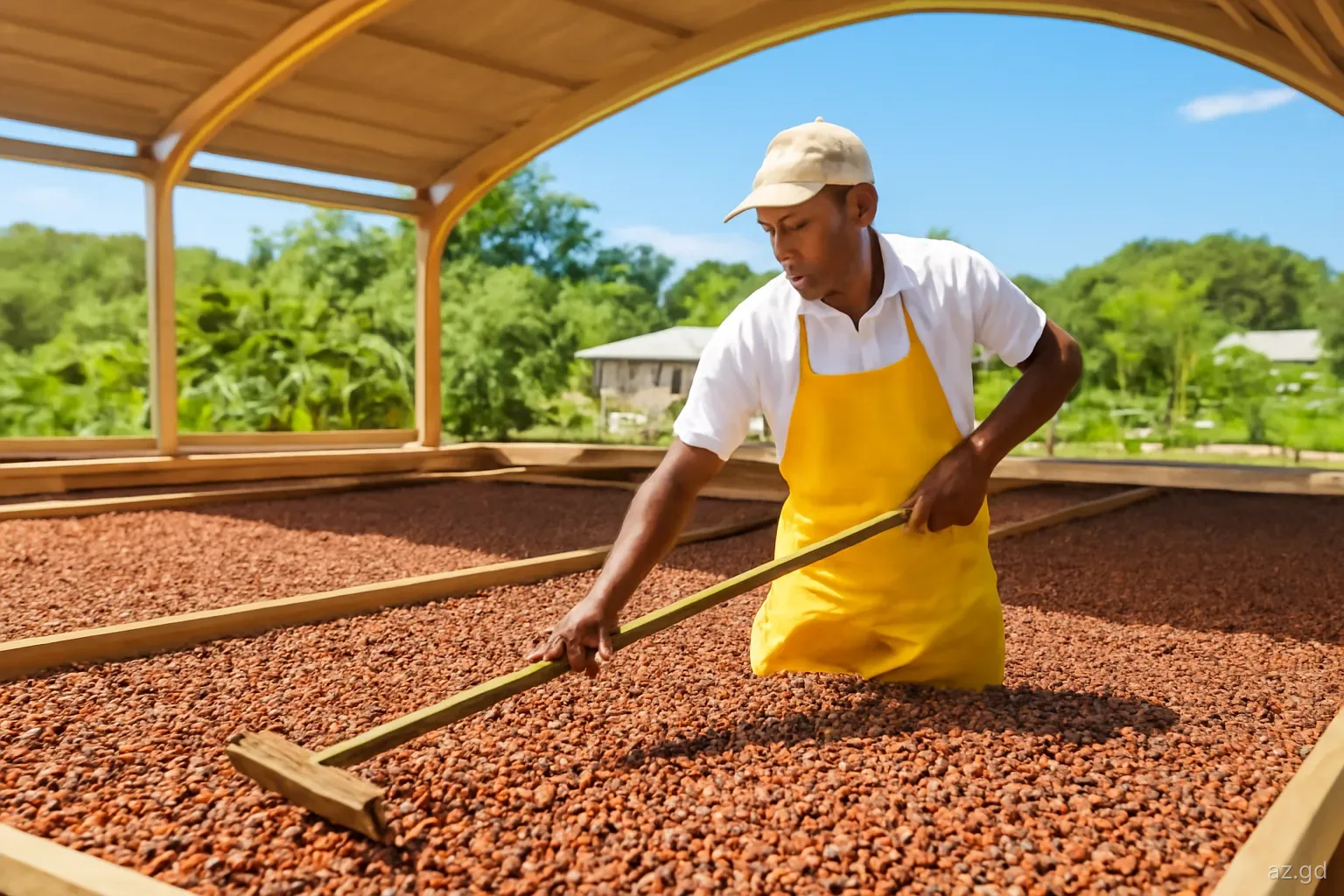
Grenada's spice and cocoa estates are where the Spice Isle reputation becomes something you can see, smell and touch: cocoa pods on the trees, nutmeg drying in the shade, cinnamon bark, bay leaves, and the old wooden drying houses with sliding roofs that are typical of Caribbean cocoa estates. Several estates welcome visitors, but they are very different experiences.
Some are polished operations with restaurants and shops; others are working estates where a guide walks you through the drying sheds; and a few are small gardens with a short trail. Choosing well depends on how much time you have, where you are staying and what you want to see.
This guide compares the main options, explains what each offers and suits, and gives practical advice on visiting. Arrangements and opening hours change, so confirm before going.
Belmont Estate (St Patrick)
What it is. A historic estate in the north-east with roots in the seventeenth century, still working as a farm growing cocoa, nutmeg, fruit and other crops. It has invested heavily in visitors.
What you see. A guided tour of cocoa processing, from fermenting boxes to drying in the sun, with explanations of how beans become chocolate. There is a small museum on the estate's and Grenada's history, gardens and animals, and a chocolate-making operation.
Food and shopping. A restaurant serving Grenadian dishes, popular as a lunch stop on round-island tours, and a shop selling chocolate, spices and local products.
Who it suits. First-time visitors, families, cruise passengers on organised tours and anyone wanting a comfortable, well-organised half day with lunch.
Practicalities. Roughly an hour and a half from Grand Anse by road. Combine with Sauteurs, Lake Antoine, River Antoine or the Grenada Chocolate Company area.
Dougaldston Estate (near Gouyave, St John)
What it is. One of the oldest spice estates on the island, just outside Gouyave on the west coast. Much less polished than Belmont, it shows traditional processing in old buildings.
What you see. Drying sheds, or boucans, with rolling roofs pushed over the trays when rain threatens, cocoa and spices drying, and guides who explain how nutmeg, mace, cinnamon, cloves, bay leaf and cocoa are grown and processed. Spices are usually on sale.
Who it suits. Visitors interested in authenticity over comfort, photographers and anyone already visiting the Gouyave Nutmeg Processing Station.
Practicalities. Around 40 minutes to an hour from St George's. Facilities are basic, and the experience depends on staff and activity that day. A small fee or tip is normally expected. Weekday mornings usually offer the most to see, as drying and sorting happen then.
Laura Herb and Spice Garden (Laura, St David)
What it is. A small garden in the south-eastern parish of St David, set up to show visitors the herbs and spices grown in Grenada.
What you see. A short guided walk among nutmeg, cinnamon, clove, bay, pimento, turmeric, cocoa and medicinal herbs, with explanations of traditional uses. The emphasis is on identification and smell rather than processing.
Who it suits. Visitors staying on the south coast who want a short, easy introduction to the spices without a long drive, and families with children.
Practicalities. Closer to the south coast than the northern estates, and easy to combine with La Sagesse or the St David coast. Check opening arrangements before going, as small attractions can change hours or close temporarily.
Smaller estates and private visits
Beyond these, several smaller estates and cocoa farms accept visitors by arrangement. Crayfish Bay Organic Estate at Non Pareil in St Mark grows organic cocoa and offers visits on request; the Diamond Chocolate Factory near Victoria occupies an old estate and shows the step from bean to bar. Some farmers in St Andrew and St John host small groups through tour operators, which can be a more personal experience.
There are also estates closely associated with rum rather than spices, notably River Antoine in St Patrick, where sugar cane is crushed by a water wheel. These are covered in our rum and drinks section, but they combine naturally with Belmont on a north-east day.
Costs vary widely. Entry or tour fees at the main estates are usually modest, often a few US dollars or the EC equivalent per person, while private tours with transport cost considerably more. Treat any figure as a guide and confirm current rates when booking.
For private visits, ask a reputable tour operator or your accommodation to arrange things, rather than turning up at a farm uninvited. Many estates are private working farms, and unannounced visitors can be unwelcome or simply find nobody available.
When to go
Estates can be visited all year, but the experience changes with the seasons. In the dry season, roughly January to May, paths are firmer, drying trays are more likely to be out in the sun and the drive along the coast roads is easier. It is also the busiest period for cruise ships, so Belmont in particular can be crowded around midday on days when several ships are in port.
In the rainy season, roughly June to December, cocoa groves are lush and green, but showers can close the boucan roofs for much of the day and paths turn muddy. Mornings are usually drier than afternoons. The hurricane season runs from June to November, and tours may be cancelled at short notice when a storm threatens.
The Grenada Chocolate Fest, usually held in May, brings extra estate tours and events, and is a good time to see places that rarely open to the public; book early if you plan to visit then.
Whatever the month, plan estate visits for the morning where possible, when workers are most active and the heat is less intense, and check the cruise schedule if you want a quieter visit.
Choosing: a quick comparison
If you only have time for one estate, the decision usually comes down to your base, your interests and who you are travelling with. These questions settle it for most visitors:
- Want lunch and a shop? Belmont, which has the most complete visitor facilities.
- Want to see traditional processing in old buildings? Dougaldston, ideally combined with the Gouyave station.
- Staying on the south coast with half a day? Laura Herb and Spice Garden, then the House of Chocolate in St George's.
- Mainly interested in chocolate? Belmont or the Diamond Chocolate Factory, or a bar-making session with a small producer.
- Travelling with young children? Belmont, with space, animals and food, or the short walk at Laura.
- Mobility issues? Belmont has the most level paths and facilities; check accessibility in advance for others.
- Want to understand nutmeg in depth? Dougaldston followed by the Gouyave Nutmeg Processing Station on the same morning.
Practical tips for estate visits
Estates are farms first. A little preparation makes the visit more comfortable:
- Wear closed shoes. Paths can be muddy, uneven or steep, especially in the rainy season.
- Bring insect repellent. Shaded cocoa groves are home to mosquitoes.
- Carry cash. Small attractions may not accept cards; bring EC notes for fees, tips and purchases.
- Check timing. Many estates close on Sundays or public holidays, or offer limited tours. Mornings are usually best for seeing activity.
- Plan the drive. Roads to St Patrick and St John are winding and slow. Do not try to fit too many estates into one day.
- Ask before picking. Guides often let visitors taste cocoa pulp or smell a fresh nutmeg, but do not help yourself to crops.
Frequently asked questions
Which spice estate is best to visit in Grenada?
It depends on what you want. Belmont Estate is the most complete visitor experience, with tours, a museum, restaurant and shop. Dougaldston near Gouyave shows traditional processing in a more rustic setting, and Laura Herb and Spice Garden is a short, easy option closer to the south coast.
How long does an estate tour take?
A guided tour of the processing areas usually takes 30 to 60 minutes. At Belmont many visitors stay longer for lunch and the shop. Allow extra time for the drive, as estates in St Patrick and St John are well over an hour from the south coast.
Do estate visits need to be booked?
Belmont generally accepts walk-in visitors during opening hours, though groups should book. Smaller estates and farms often require advance arrangement. Check directly or through a tour operator before travelling, as hours and arrangements change.
What is a boucan?
A boucan is a traditional cocoa drying house. Beans are spread on large trays in the sun, and roofs on rails are rolled over them when rain threatens. Several estates, including Dougaldston and Belmont, still use them or display them for visitors.
Can spices be bought at the estates?
Yes. Most estates sell spices such as nutmeg, mace, cinnamon, cloves and bay leaf, and some sell chocolate and cocoa balls. Prices may be higher than in supermarkets or at Market Square, but buying at estates supports the people who grow them.