Nutmeg gets the attention, but Grenada's claim to the name Spice Isle rests on a wider list of crops. Cinnamon, cloves, West Indian bay leaf, turmeric, allspice, ginger and others grow on small farms and in backyards across the island, often in the same mixed plots as nutmeg and cocoa. Many end up in Grenadian kitchens rather than on export ships, flavouring cocoa tea, soups, curries, cakes and Christmas drinks.
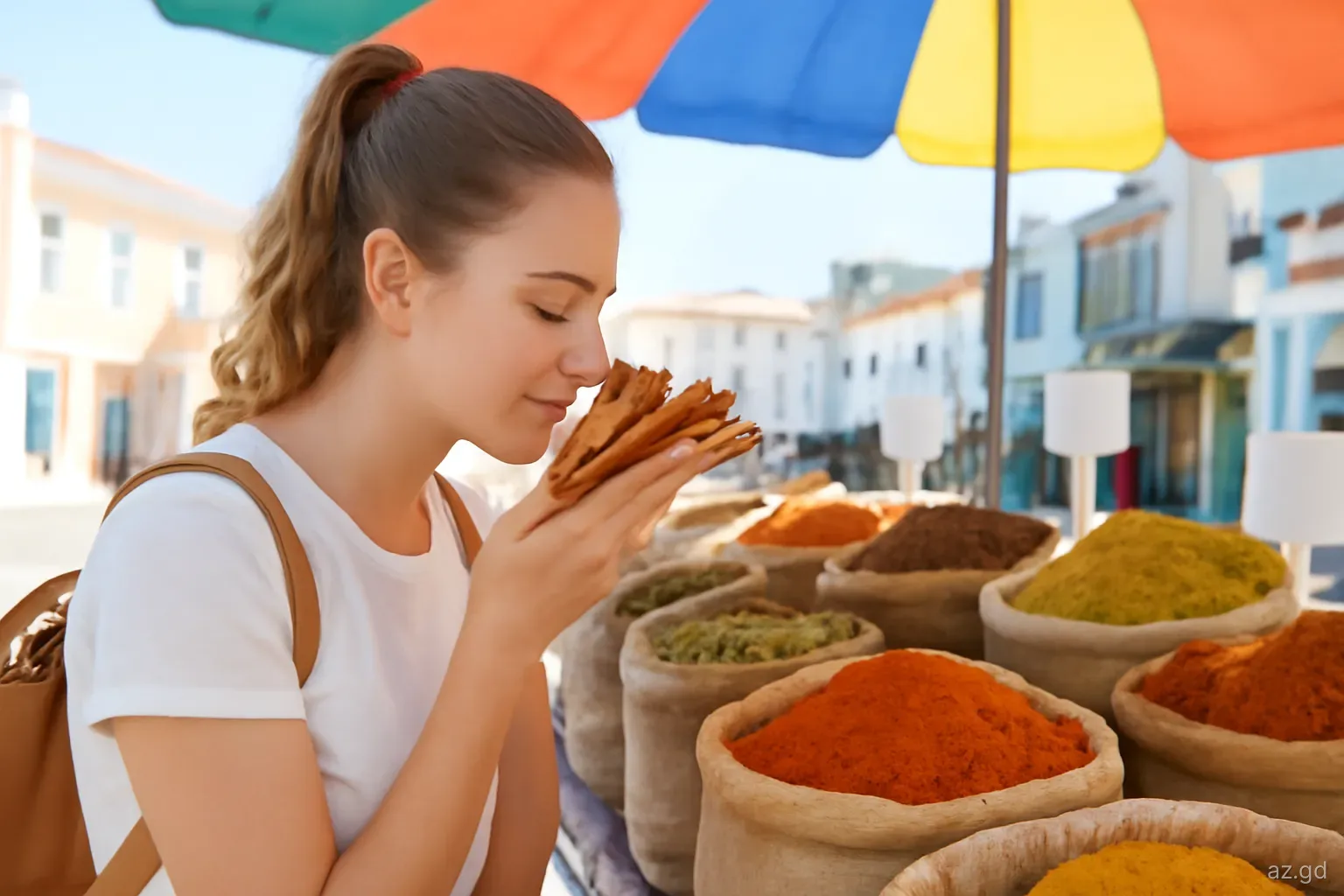
For visitors, these are the spices that turn up in spice baskets and market stalls alongside nutmeg, often with local names that can confuse: turmeric is called saffron, and the bay leaf here is not the Mediterranean bay used in European cooking.
This guide explains each of the main spices, how it grows and is processed, how Grenadians use it and what to know when buying.
A spice garden, not a plantation
Most of Grenada's spices are grown on a small scale. A typical hillside farm in St Andrew, St John or St David might combine nutmeg and cocoa with bananas, fruit trees, a few clove and cinnamon trees, bay trees, turmeric and ginger in the understorey and provisions in between. This mixed planting spreads risk, provides shade and gives farmers income at different times of the year.
Some spices are sold to buyers for export or local processing; many are used at home or sold at Market Square and roadside stalls. Production of the minor spices is small by world standards, and quantities vary from year to year. Hurricane Ivan in 2004 damaged spice trees along with nutmeg and cocoa, and replanted trees have taken years to mature.
This small-scale, mixed farming is why spice gardens and estates make good visits: in a short walk a guide can show half a dozen spices growing side by side, each with its own smell when crushed.
Cinnamon and cloves
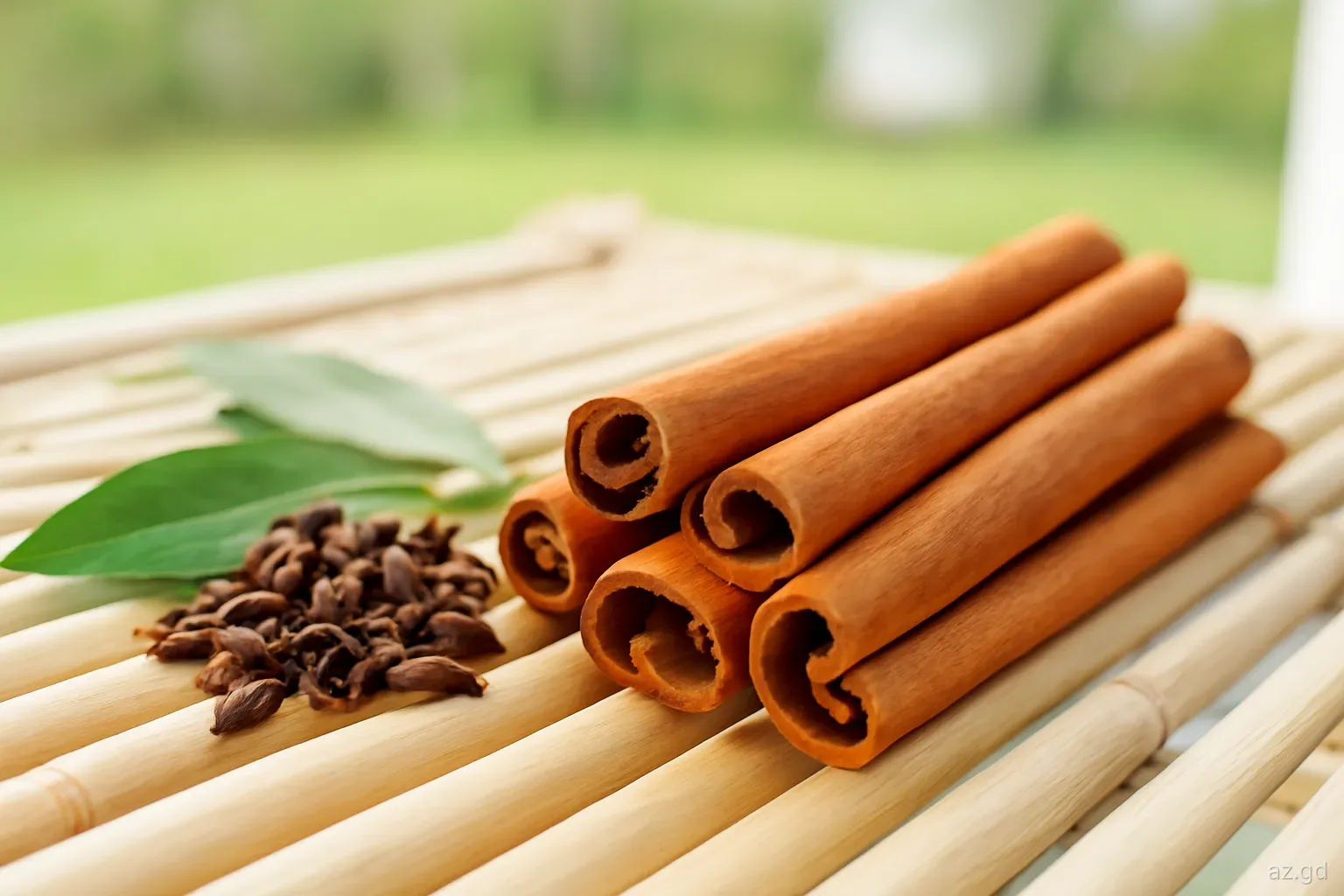
Cinnamon: how it grows. Cinnamon comes from the inner bark of a tree kept low by regular cutting. Young shoots are cut, the outer bark is scraped off and the inner bark is peeled in strips that curl into quills as they dry in the shade.
Cinnamon: how it is used. Grenadian cinnamon is often sold as rough bark pieces. It is essential in cocoa tea, used in sorrel and other Christmas drinks, in cakes, sweet bread, porridge and stewed fruit, and sometimes in savoury dishes.
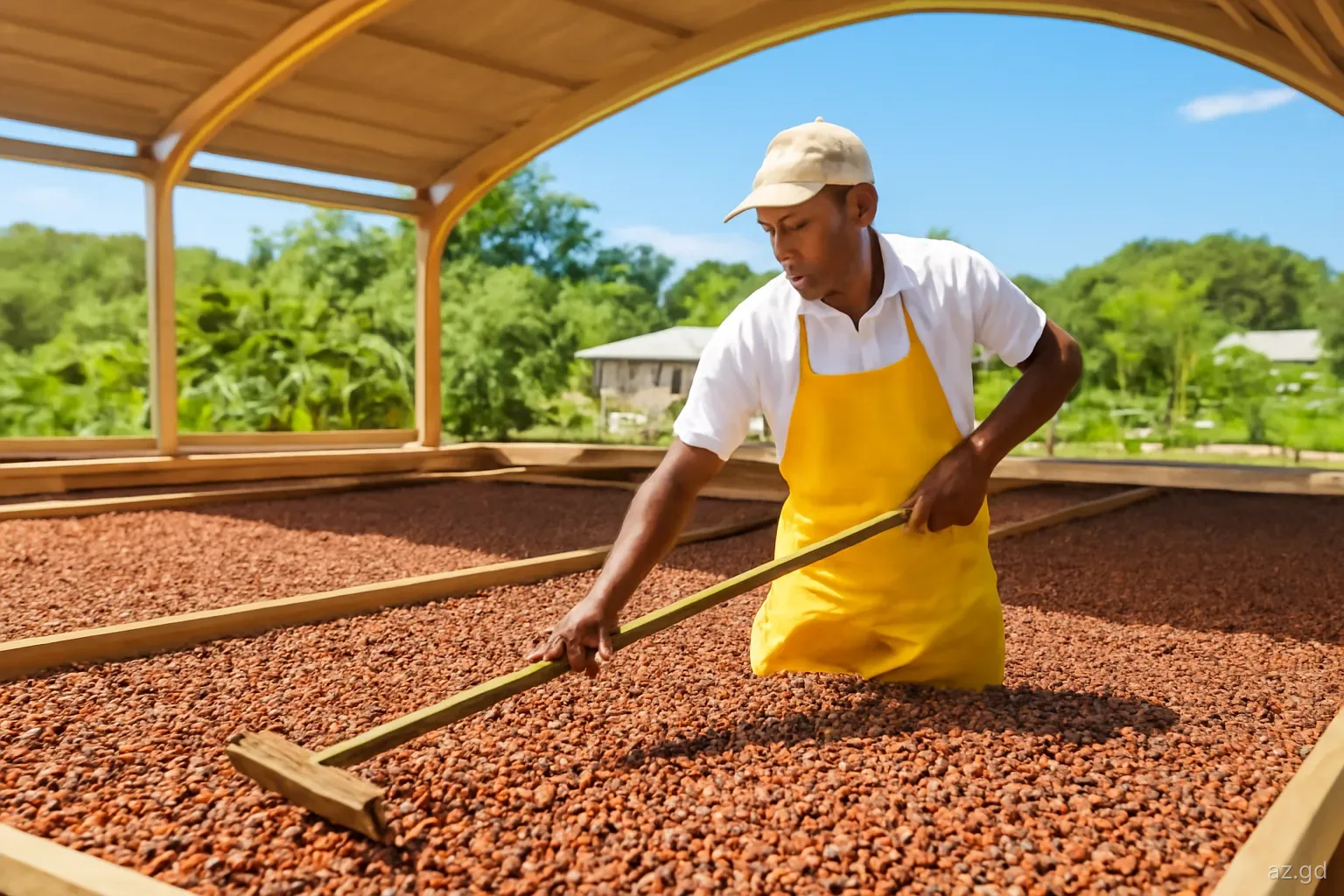
Cloves: how they grow. Cloves are the unopened flower buds of a tall evergreen tree. They are picked by hand when the buds turn pink, before they open, then dried in the sun until they turn dark brown.
Cloves: how they are used. Cloves flavour Christmas ham, sorrel, black cake, pickles and some meat dishes. They are strong, so a few go a long way.
Buying tips. Good cinnamon smells sweet and strong; good cloves are plump, oily when pressed and have their round heads intact. Both keep well whole.
West Indian bay leaf
The bay leaf used in Grenada comes from the West Indian bay tree (Pimenta racemosa), a relative of allspice, not the bay laurel of Mediterranean cooking. Its leaves are larger, glossier and much more aromatic, with a warm, clove-like, slightly citrus scent. Crush a fresh leaf and the difference is obvious.
Grenadians use bay leaf in cocoa tea, where it is almost obligatory, as well as in soups, stews, porridges and some teas. One or two leaves are enough for a pot; too many make a dish taste medicinal. The leaves are used fresh or dried, and many households have a bay tree in the yard.
Oil distilled from the leaves is the traditional base of bay rum, a fragrant lotion and aftershave long produced in the Caribbean. When buying dried bay leaf, look for green, unbroken leaves with a strong scent. Recipes from abroad that call for bay leaves usually mean the milder laurel, so adjust the quantity if using the Grenadian kind.
Turmeric, ginger and allspice
Turmeric, or "saffron". Turmeric is a rhizome related to ginger, with bright orange flesh. In Grenada it is widely called saffron, and it gives oil down its yellow colour. It is also used in curries and rice. It grows easily in gardens and is sold fresh at markets or dried and ground.
Not real saffron. True saffron is the stigma of a crocus and very expensive. If a recipe or vendor in Grenada says saffron, they almost always mean turmeric.
Ginger. Fresh ginger is grown locally and used in ginger beer, especially at Christmas, in teas, sweets, marinades and curries. Fresh roots are pungent and juicy.
Allspice (pimento). Allspice berries, called pimento in parts of the Caribbean, taste like a blend of clove, cinnamon and nutmeg. They are used in pickling, marinades, soups and baking.
Hot and seasoning peppers. Hot peppers are not usually counted as spices in the export sense, but they are essential in Grenadian cooking, along with milder seasoning peppers, chive, thyme and culantro, which make up the green seasoning used in most savoury dishes.
Tonka beans, vanilla and other minor crops
Tonka beans. Tonka beans, the seeds of a large tree, were once a notable Grenadian export for flavouring and perfumery. They have a sweet, vanilla-like aroma. They contain coumarin, which is restricted as a food ingredient in some countries, including the United States, so they are mainly used in small quantities or for scent.
Vanilla. Vanilla, the cured pod of an orchid, is grown on a small scale. Curing is slow and labour-intensive, and local vanilla is not widely available, but some estates and producers sell it.
Lemongrass and herbs. Lemongrass, known locally as fever grass, is used for tea, and many households grow medicinal and culinary herbs used in traditional bush teas.
Black pepper and cardamom. These are grown only in small quantities, if at all, and most black pepper sold in Grenada is imported.
Seasonal availability. Supply of minor spices can be irregular. If you see something unusual at the market, such as fresh vanilla or tonka beans, ask the vendor about its origin and use.
Cooking with them at home
The easiest way to use Grenada's spices is the way Grenadian cooks do: in combination rather than alone. A pot of cocoa tea takes cinnamon, bay leaf and nutmeg together. Sorrel at Christmas is steeped with cloves, cinnamon and ginger. A curry starts with turmeric-rich curry powder toasted in oil, and a stew begins with green seasoning built from chive, thyme, culantro and seasoning peppers. Sweet bread and black cake use cinnamon, nutmeg, allspice and cloves in the same mix.
For self-caterers, a practical starter kit bought at Market Square or a supermarket is a few whole nutmegs, a small bag of cinnamon bark, a handful of cloves and allspice berries, some dried West Indian bay leaves and a jar of local curry powder. Add fresh ginger, turmeric and green seasoning herbs from the market as needed. Whole spices keep best; grind or grate only what you need.
Common mistakes with Grenada's spices
These errors come up often, especially for visitors cooking with local spices for the first time:
- Using too much bay leaf. West Indian bay is far stronger than Mediterranean bay. Start with one leaf.
- Confusing saffron and turmeric. A Grenadian recipe calling for saffron means turmeric.
- Using too many cloves. A few cloves flavour a whole pot; too many make a dish bitter and numbing.
- Expecting neat cinnamon sticks. Local cinnamon is often rough bark. It works the same; strain it out after cooking.
- Taking tonka beans home without checking. Some countries restrict tonka beans as food. Check rules before buying.
- Storing spices in the heat. Keep spices sealed in a cool, dark place; humidity and sun degrade them quickly.
Frequently asked questions
What spices grow in Grenada besides nutmeg?
Grenada grows cinnamon, cloves, West Indian bay leaf, turmeric, ginger and allspice, along with smaller amounts of vanilla, tonka beans and herbs such as lemongrass. Many are grown on small mixed farms alongside nutmeg, cocoa and fruit.
Why do Grenadians call turmeric saffron?
The use of "saffron" for turmeric is common across parts of the Caribbean, probably because both give food a bright yellow colour. In Grenada it is the standard everyday name, and recipes for oil down and curry that mention saffron mean turmeric.
Is Grenadian bay leaf the same as regular bay leaf?
No. Grenadian bay leaf comes from the West Indian bay tree, a relative of allspice, and is much more aromatic, with a clove-like scent. Mediterranean bay laurel is milder. Use less West Indian bay than recipes from abroad suggest.
What are tonka beans used for?
Tonka beans have a sweet, vanilla-like scent and have been used in perfumery and as a flavouring. They contain coumarin, which is restricted in food in some countries, including the United States. They are best used sparingly and checked against your home country's rules.
Where can visitors see these spices growing?
Spice gardens and estates such as Laura Herb and Spice Garden in St David, Dougaldston near Gouyave and Belmont in St Patrick show several spices growing side by side. Guides explain how each is harvested and processed.