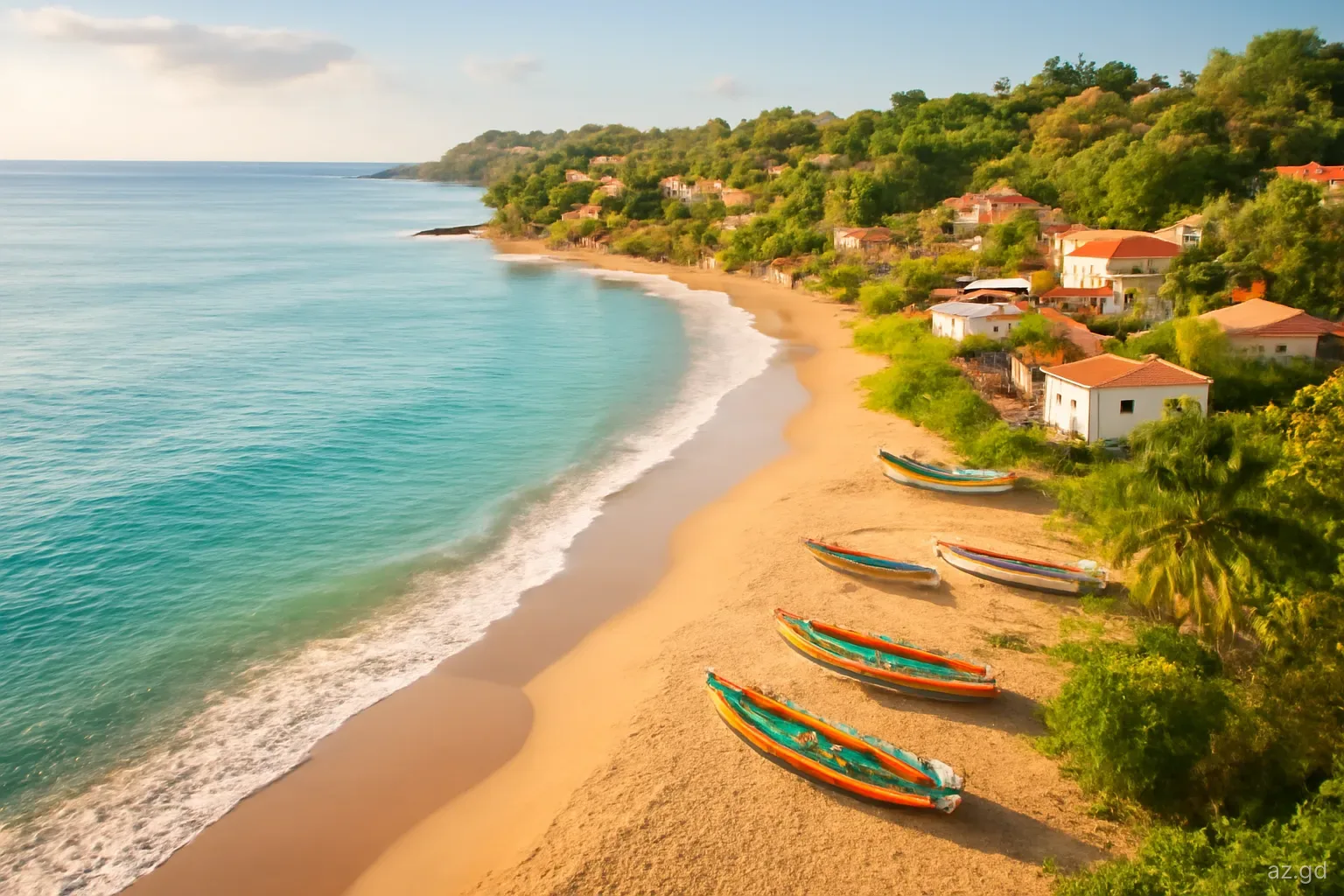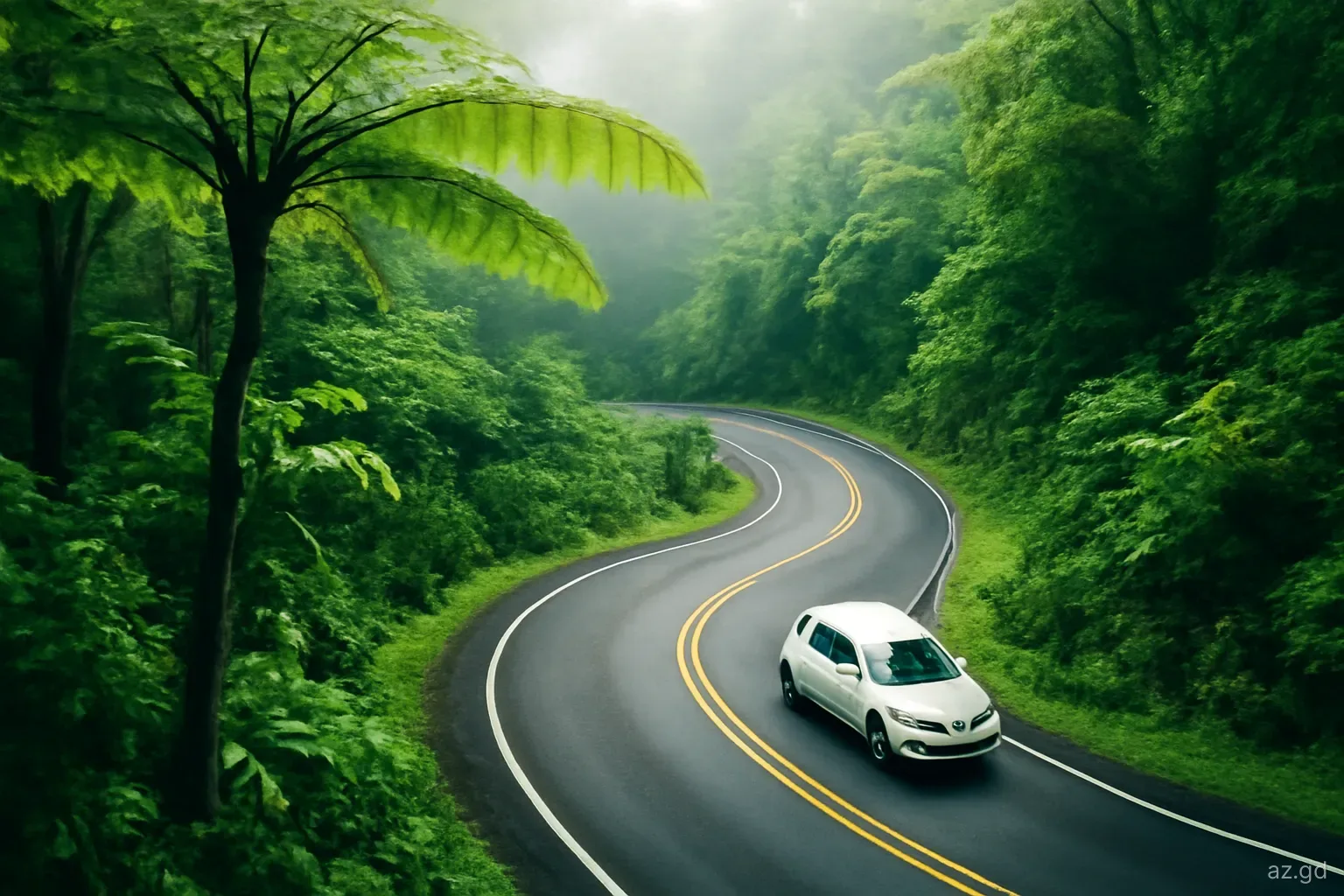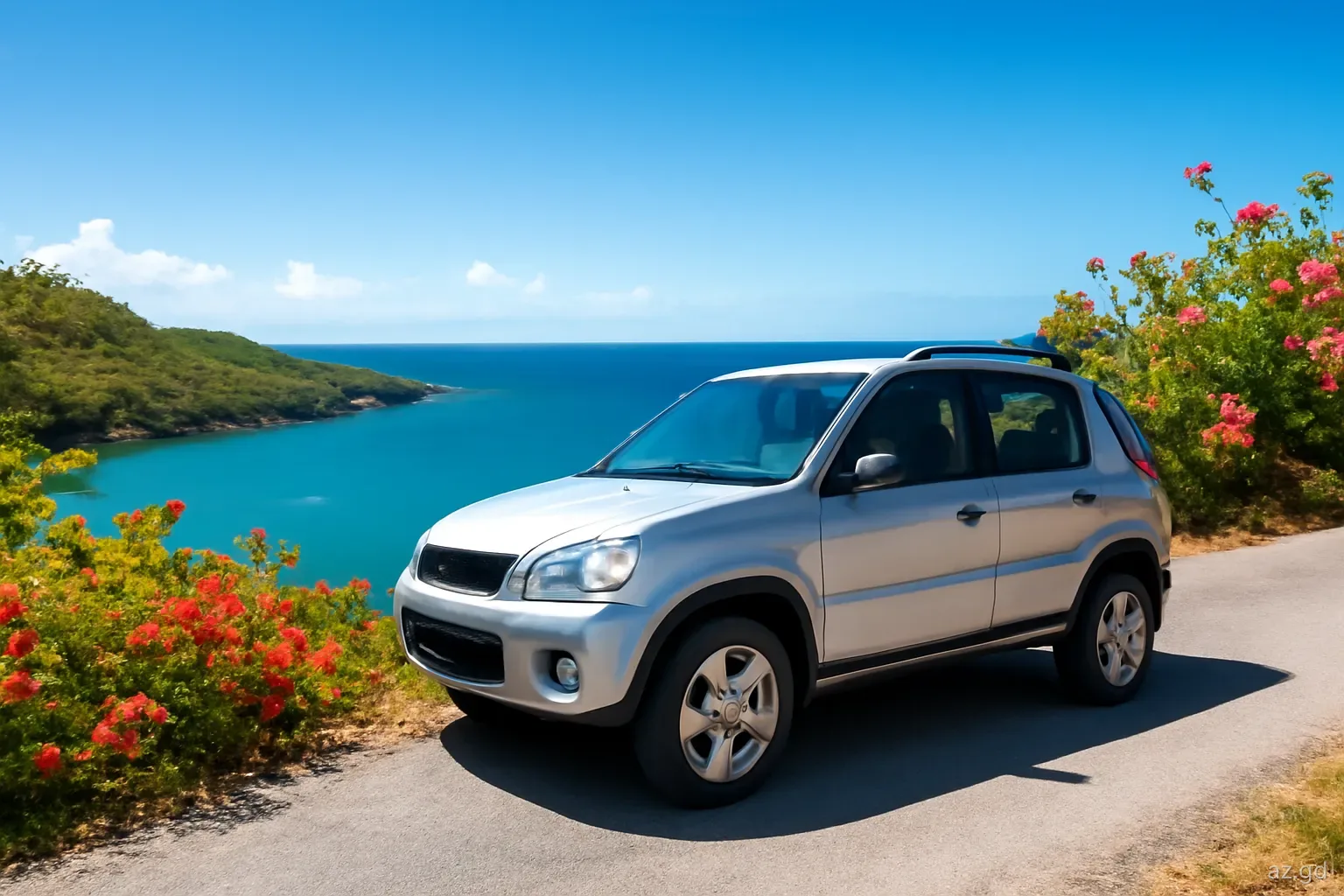
A hire car gives you the freedom to reach places buses serve poorly and taxis make expensive: the north-east beaches, villas on steep hillsides, early-morning hikes in the Grand Etang Forest Reserve, or a lazy loop up the west coast with stops wherever you like. Renting a car in Grenada is straightforward, but it involves one extra step that visitors from most countries do not expect: a local temporary driving permit.
Grenada drives on the left, roads are narrow and steep, and the right car makes a real difference. This page explains the permit, age and insurance rules, how to choose a vehicle, and what to check before you drive away.
The temporary driving permit
Visitors cannot drive in Grenada on a foreign licence alone. You need a Grenadian temporary driving permit, issued on the basis of a valid licence from your home country. The permit is typically valid for up to three months.
There are two ways to get one. Most rental companies issue it at the counter when you collect the car, for a fee that has commonly been around US$25, often not included in the advertised rental rate. Alternatively, you can obtain it yourself from the traffic office at the Central Police Station on the Carenage in St George's, for a fee that has been EC$60. Fees change, so check the current rate.
Bring your physical driving licence; photocopies or digital versions are not accepted. If your licence is not in English or does not use the Roman alphabet, you may also need an International Driving Permit. Drivers with a valid licence from a CARICOM or OECS country may be exempt from the temporary permit, but should confirm before driving.
Age limits, licences and payments
Minimum age. Many rental companies require drivers to be at least 25, while some accept drivers from 21, sometimes with an extra charge. Upper age limits, often around 70 or 75, apply at some firms.
Licence history. Some companies require you to have held a full licence for at least one or two years. Check this when booking, especially for young drivers.
Additional drivers. Each driver must hold their own temporary permit and be listed on the rental agreement. There may be a daily fee for extra drivers.
Deposits. Most firms take a security deposit on a credit card, which can be significant. Debit cards may not be accepted. The deposit is released after the car is returned without damage.
Minimum rental periods. During busy periods, especially July and August and the Christmas season, some firms set a minimum rental of three days or more.
Insurance: what is and is not covered
Rental rates usually include basic third-party liability insurance required by law. Collision damage waiver, which limits your liability for damage to the hire car, is often an optional extra. Without it, you may be liable for the full cost of repairs. With it, an excess usually still applies, often several hundred US dollars or more.
Many foreign car insurance policies do not cover driving in Grenada. Some credit cards offer rental car cover, but check whether it applies in Grenada, whether it requires you to decline the rental company's cover, and whether it covers four-wheel-drive vehicles. Read the exclusions: damage to tyres, windscreens and the underside of the car, which are the most likely casualties on Grenadian roads, is often excluded from basic cover.
Record the car's condition before you leave, with photos or video of each side, the wheels, the windscreen and the interior. Make sure existing scratches and dents are noted on the rental agreement. Do the same on return.
Choosing the right vehicle
Most hire cars in Grenada are Japanese imports with the steering wheel on the right, matching left-hand traffic. Automatics are the norm. Think about where you will be staying and driving.
- Small cars are cheapest and easiest to park in St George's and the narrow streets of towns like Gouyave and Grenville. They are fine for main roads and the south coast.
- Compact four-wheel-drive vehicles are popular for good reason. Many villas and guesthouses sit on steep hillsides with rough driveways, and some beaches and trailheads are reached by unpaved tracks. Ground clearance helps on potholed roads after heavy rain.
- Larger SUVs and minivans suit families and groups with luggage, but can be awkward on tight hairpins and in town. Check that everyone fits comfortably with bags before you book.
- Child seats are available from most firms if requested in advance. Bringing your own is an option if you prefer a model you know.
Checks at pick-up
A few minutes at the counter and in the car park can save money and stress later.
- Confirm that your temporary driving permit has been issued and is in the car with the rental agreement.
- Walk around the car with the agent and note all existing damage on the agreement. Take timestamped photos.
- Check the tyres, including the spare, and confirm that a jack and wheel brace are in the car.
- Test the air conditioning, wipers, headlights and horn. You will use all of them.
- Note the fuel level and the return policy. Fuel is sold by the gallon, and prices are set by the government and adjusted periodically.
- Save the rental company's emergency contact details and ask what to do in case of a breakdown or accident.
Fuel, parking and breakdowns
Fuel stations are found in and around St George's, Grand Anse, Grenville and along the main roads, but they are sparse in the far north and in the interior, and some close in the evening and on Sundays. Fill up before a day trip to the north-east or over the Grand Etang road, rather than counting on finding a station on the way. Many stations are attended, with an attendant filling the tank for you; payment is usually by cash or card at the counter.
Parking in St George's is the hardest part of driving in Grenada. Streets are narrow, steep and often one-way, and spaces fill early on weekdays. There are designated parking areas around the town; using one and walking is usually less stressful than circling. Never park so that you block a driveway, a bus stop or a narrow lane, and avoid leaving valuables visible in the car.
If the car breaks down or you have a flat tyre, move off the road if it is safe, put on the hazard lights and call the rental company. In an accident involving another vehicle or injury, call the police on 911, avoid moving the vehicles until advised, and contact the rental company straight away.
Common mistakes when hiring a car
Booking too late in peak season. Rental fleets are small. Around Christmas, Easter and Carnival, cars can be fully booked weeks in advance.
Underestimating driving time. Distances are short, but roads are winding and slow. A trip from St George's to Sauteurs can take over an hour.
Ignoring the permit fee. The temporary permit is often an extra charge at the counter. Budget for it.
Choosing the cheapest car for a hillside villa. A small car may struggle on steep, rough driveways, especially after rain. Ask your accommodation what they recommend.
Not checking the spare tyre. Punctures are common on rough roads. Make sure the spare is inflated and the tools are in the car before you leave the rental office.
Driving after a long flight. Collecting a car after an overnight journey and driving on the left on unfamiliar roads is tiring. If you arrive late or tired, consider a taxi on the first night and collect the car the next morning.
Frequently asked questions
Do visitors need a special permit to drive in Grenada?
Yes. Visitors need a Grenadian temporary driving permit, usually issued by the rental company at pick-up or by the police traffic office at the Central Police Station in St George's. You must show a valid licence from your home country. Fees change, so confirm the current rate.
How old do you have to be to rent a car in Grenada?
Many rental companies require drivers to be at least 25, while some accept drivers from 21, often with an additional fee. Some firms also have upper age limits. Check the policy of the company you plan to use before booking.
Is a four-wheel-drive needed in Grenada?
Not for main roads, but a compact four-wheel-drive is helpful if you are staying on a steep hillside or plan to visit beaches and trailheads reached by rough tracks. Higher ground clearance also helps on potholed roads after rain.
Does home car insurance cover driving in Grenada?
Often not. Many foreign policies exclude Grenada, and credit card cover varies. Check before travelling, and consider the rental company's collision damage waiver. Read the exclusions carefully, especially for tyres, windscreens and the underside of the car.
Which side of the road does Grenada drive on?
Grenada drives on the left, and most vehicles have the steering wheel on the right. If you are used to driving on the right, take extra care at junctions, roundabouts and when pulling out after a stop.