Some of the best journeys in Grenada are made by boat. A water taxi can carry you across the bay from the Carenage in St George's to Grand Anse in a fraction of the time it takes by road, drop you at a snorkelling spot off the leeward coast, or, in Carriacou, run you out to the sandbar of Sandy Island and pick you up later in the day.
Water taxis are small, privately operated boats, usually open fibreglass or wooden pirogues with outboard engines, run by local skippers who know the waters well. They work on agreed fares and agreed times rather than timetables, and a little preparation makes the trip both safer and more enjoyable. This page explains how they work on both islands.
How water taxis work
Water taxis operate on demand. You find a boat at a beach, jetty or harbour, agree the destination, price and return time with the skipper, and set off. There are no timetables, and on quiet days you may need to wait for a boat or call one through your hotel or a beach bar.
Fares depend on the distance, the number of passengers and whether the skipper waits for you or comes back later. Short hops cost a modest amount per person, while private trips to islands or snorkelling spots are priced for the boat. Agree the fare, the currency and whether it covers the return trip before boarding. Pay at the end of the trip, or half on the way out and half on return for longer excursions.
Water taxi operators should be licensed by the maritime authorities and carry safety equipment. Ask about life jackets before departure; reputable skippers will have them on board and will not mind the question.
St George's: the Carenage to Grand Anse
The best-known water taxi route on the main island links the Carenage, the inner harbour of St George's, with Grand Anse Beach across the bay. The crossing takes around 15 to 20 minutes, depending on the boat and the sea, and avoids the slow road around the lagoon. It is popular with cruise visitors, who can walk from the ship to the Carenage and be on the beach soon after.
Boats wait near the waterfront on the Carenage, and on Grand Anse they pull up on the beach or at a jetty. Agree the return time with the skipper when you arrive; many visitors arrange to be collected later in the afternoon. On busy cruise days demand is high around the Carenage, so allow extra time for the return and keep the skipper's contact details.
The crossing is usually smooth inside the bay but can be bumpy when the wind is up or the swell runs in from the north-west in the winter months. Expect some spray. Keep phones and cameras in a dry bag.
Snorkelling and day trips on the main island
The Underwater Sculpture Park. Located in the Moliniere area north of St George's, within a marine protected area, the sculpture park is reached by a short boat trip. Water taxis and tour operators run trips from the Carenage and Grand Anse. A marine park fee applies, usually collected by the operator.
Morne Rouge and nearby coves. Some beaches near Grand Anse, including Morne Rouge, can be reached by boat as well as by road. A boat can make a beach day easier for families.
The leeward coast. Skippers can take you along the west coast to snorkelling spots and beaches that are awkward to reach by road. Agree the itinerary and timing in advance.
South-coast bays. In the bays around Lance aux Epines and the south coast, boats can shuttle visitors between marinas, beaches and anchored yachts.
Carriacou: Sandy Island, White Island and beyond
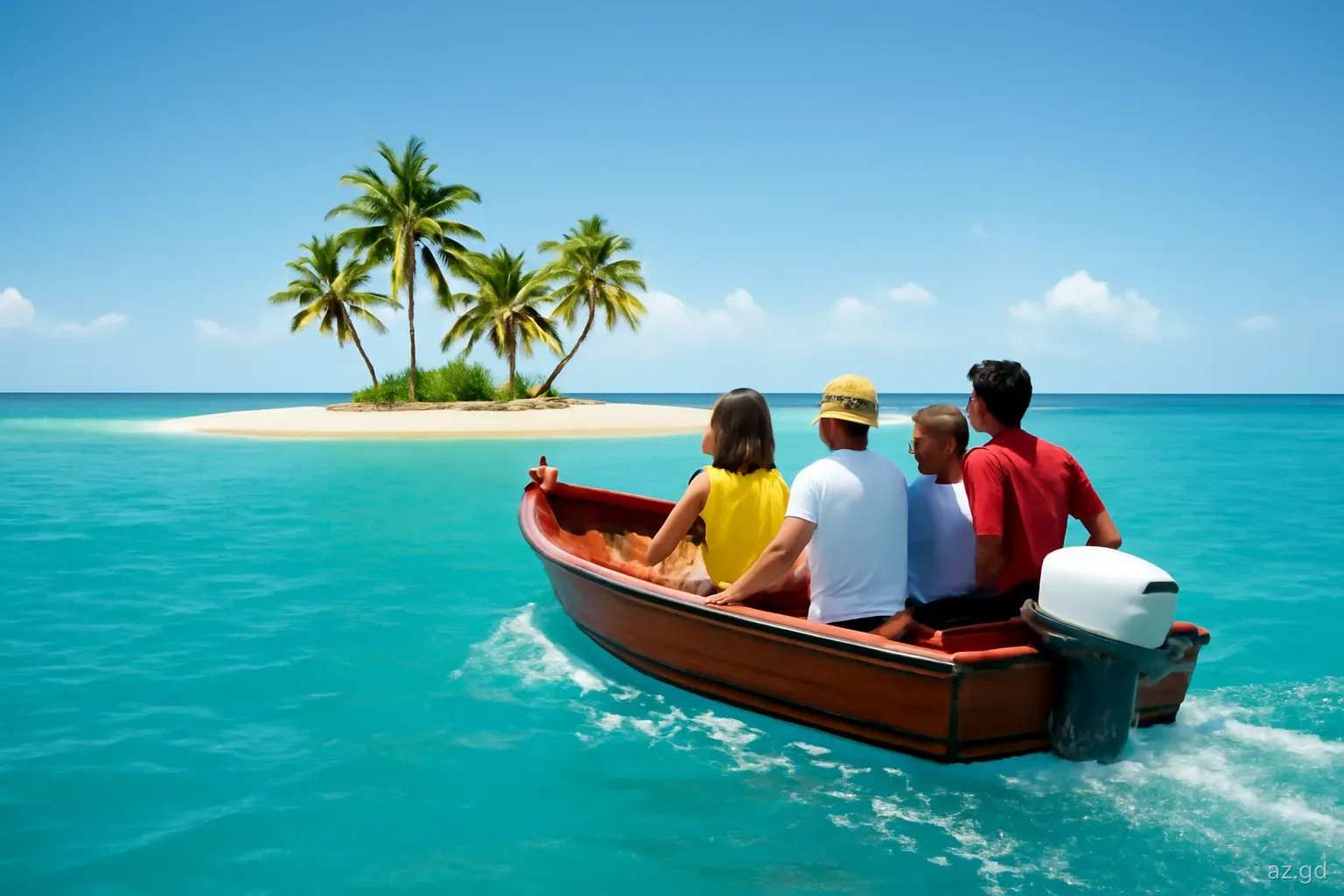
On Carriacou, water taxis are an essential part of visiting the island's surrounding cays and beaches. The most popular trip is to Sandy Island, a small, low sandbar with a few palm trees off Hillsborough, inside the Sandy Island Oyster Bed Marine Protected Area. Boats leave from Hillsborough, Tyrrel Bay and Paradise Beach in L'Esterre, and the ride takes only a few minutes from the nearest points.
White Island, a small cay off the southern tip of Carriacou, is another favourite, with clear water and good snorkelling. Skippers will drop you and return at an agreed time, so bring shade, water and food, as there are no facilities on most cays. Marine park fees may apply in protected areas.
Water taxis also run between Carriacou and Petite Martinique, though the scheduled ferry is the usual option for that crossing. Hurricane Beryl in July 2024 damaged boats, jetties and coastal businesses on both islands; services have been recovering, but check locally for the current situation.
Water taxi or ferry: getting between the islands
For travel between the main island of Grenada and Carriacou, the scheduled passenger ferry from St George's, operated in recent years by Osprey Lines, is the standard way to go. The crossing to Carriacou, where it has docked at Tyrrel Bay since Beryl (confirm when booking), takes around an hour and a half to two hours, and the ferry also continues to Petite Martinique. A short flight to Lauriston Airport is the alternative.
Water taxis are not a practical or safe substitute for the ferry on the open-sea crossing between Grenada and Carriacou, which passes through exposed waters and near the Kick 'em Jenny submarine volcano exclusion zone. Use the ferry or fly.
Between Carriacou and Petite Martinique, a much shorter crossing, water taxis can be chartered when the ferry schedule does not suit, at a higher price. Agree the fare and confirm the sea conditions with the skipper before setting off.
What to bring on a boat trip
Most water taxi trips drop you somewhere with little or no shade and no shops, so it pays to bring everything you will need for the time ashore. Skippers will usually agree to bring you back early if the weather turns, but you cannot pop out for supplies. A small checklist:
- Plenty of drinking water, more than you think you need in the sun.
- Reef-safe sunscreen, a hat and a light long-sleeved top.
- Snorkel, mask and fins if you have them; not every skipper carries spare equipment.
- Snacks or a packed lunch, particularly for cays such as Sandy Island and White Island.
- A bag to take all your rubbish back with you.
- Cash in small notes for the fare and any marine park fees.
- A dry bag for phones, keys and documents.
Safety and what to check before boarding
Life jackets. Ask whether life jackets are on board and enough for everyone, especially children. Put children in them for the whole trip.
Weather and sea conditions. If the wind is strong or the swell is high, postpone the trip. Reputable skippers will advise against going out in poor conditions.
Agree the return time clearly. Confirm when and where you will be picked up. Exchange contact details with the skipper so you can call if plans change.
Protect valuables. Use a dry bag for phones, cameras and documents. Spray and waves are common.
Respect protected areas. Do not stand on coral, collect shells or feed fish. Pay marine park fees where they apply.
Know your limits. Swimming from a boat in open water is different from swimming off a beach. Tell the skipper if anyone in the group is a weak swimmer, and stay close to the boat or shore where currents are unfamiliar.
Frequently asked questions
How much does a water taxi from the Carenage to Grand Anse cost?
Fares are modest and usually per person for the short crossing, but they vary with the season and the number of passengers. Agree the price, the currency and whether it includes the return trip with the skipper before boarding.
How do you get to Sandy Island in Carriacou?
By water taxi from Hillsborough, Tyrrel Bay or Paradise Beach in L'Esterre. The ride is short. Agree a pick-up time with the skipper, bring shade, water and snacks, and expect to pay a marine park fee.
Is there a water taxi from Grenada to Carriacou?
Not as a regular or recommended service. The open-sea crossing is long and exposed. Use the scheduled passenger ferry from St George's, which takes around an hour and a half to two hours, or a short flight to Lauriston Airport.
Are water taxis safe in Grenada?
Generally yes, when you use licensed operators and avoid rough weather. Ask about life jackets before boarding, agree the trip details clearly, and postpone if the sea is rough or the skipper seems unwilling to go.
Do you need to pay a fee to visit the Underwater Sculpture Park?
Yes. The sculpture park lies within a marine protected area, and visitors pay a small fee, usually collected by the boat or dive operator. The fee supports management and conservation of the protected area.