Electricity in Grenada is expensive by North American standards and similar to or higher than much of Europe, because most power is still generated from imported diesel. For newcomers, the first bill is often a shock, especially if the house runs several air conditioners. Understanding how the bill is built, and how to get connected without delays, saves money and frustration.
This guide covers who supplies power, how bills work, the technical basics such as voltage and plugs, the process for a new connection, rooftop solar and practical ways to cut consumption. Tariffs and rules change; check current figures with GRENLEC and the regulator.
Who supplies power
Electricity on Grenada, Carriacou and Petite Martinique is supplied by Grenada Electricity Services Ltd, universally known as GRENLEC. The company generates power mainly at its diesel plant at Queen's Park, outside St George's, with smaller plants on Carriacou and Petite Martinique, and runs the transmission and distribution network across the islands.
GRENLEC was partly privatised in the 1990s, when a US company, WRB Enterprises, acquired a controlling stake. After a long dispute over new electricity legislation, the Government of Grenada reached a settlement in 2020 and regained control of the shares. Tariffs are regulated by the Public Utilities Regulatory Commission (PURC), which sets the methodology for how rates are calculated.
The government has set targets to increase renewable energy, and solar, both utility-scale and on rooftops, has grown, but diesel remains the main source of generation, which is why fuel prices have such a strong effect on bills.
Understanding your GRENLEC bill
Energy charge. A base charge per kilowatt-hour (kWh) for the electricity you use, with rates set under the PURC's tariff methodology. Domestic and commercial customers are on different tariffs.
Fuel charge. A separate charge per kWh that reflects the cost of the diesel used to generate power. It changes regularly with world fuel prices and is the main reason bills rise and fall from month to month even when usage is steady.
Renewable energy charge. Since October 2023, bills have included a renewable energy charge reflecting the cost of electricity supplied from renewable sources, in the same way the fuel charge reflects diesel generation.
Taxes and other items. Bills may include VAT and other charges depending on the type of account and usage. Check the explanation on your bill or ask GRENLEC.
Typical costs. All-in, residential electricity has often worked out at close to EC$1 per kWh, higher or lower as fuel prices move. A small apartment with fans might spend a few hundred EC dollars a month; a large house running several air conditioners can spend well over EC$1,000. Treat these as rough guides.
Voltage, plugs and appliances
Grenada uses 230 volts at 50 hertz, and the standard socket is the British three-pin type, known internationally as Type G. Visitors from the UK can use their devices without adapters. Visitors from North America need plug adapters, and any device that is not dual voltage needs a voltage converter. Most phone and laptop chargers are rated 100 to 240 volts and work with just an adapter; check the label.
Hair dryers, kettles and other heating appliances from North America are usually 120 volts only and can burn out on Grenada's supply. Buying such items locally is often simpler. Some older buildings and hotels have a mix of socket types, so carrying a universal adapter is useful.
Voltage fluctuations and power surges are not unusual, particularly during storms or when power is restored after an outage. Surge protectors for computers, televisions and other sensitive electronics are a sensible investment, and a voltage regulator or UPS gives extra protection for expensive equipment.
Getting a new connection
For a newly built house or a property that has been disconnected, the process involves both a licensed electrician and the government's Electrical Inspectorate before GRENLEC can connect. Typical steps:
- Hire a licensed electrician to complete the wiring and prepare the Application for Inspection.
- Pay the inspection fee and submit the application to the Electrical Inspectorate, which inspects the installation and issues a Certificate of Approval if it meets standards.
- Apply to GRENLEC with the completed application form, a valid ID such as a passport, voter identification card or driving permit, and the inspection certificate. The name on the inspection application is the name that will appear on the bill.
- Pay the connection fee and any security deposit. GRENLEC's checklist has listed a fee of around EC$100 plus VAT for a single-phase service and EC$350 plus VAT for three-phase; confirm current fees.
- Wait for connection. GRENLEC says new services are usually connected within about seven working days of a complete application, but extra line work can take longer.
Renting, accounts and paying the bill
In many rentals, the GRENLEC account stays in the landlord's name and the tenant pays the bill, either directly or through the landlord. If you are renting long term, agree in the lease who holds the account, how the bill will be paid and whether a deposit is required. Note the meter reading on the day you move in and take a photo of it.
Bills can be paid at GRENLEC offices, through local banks and authorised agents, and through online and app-based payment options. Late payment can lead to disconnection, and reconnection carries a fee, so set a reminder each month. If a bill looks unusually high, compare the kWh used with previous months and ask GRENLEC to check the meter reading.
When you leave a property, request a final meter reading and closure of your account, and ask how any deposit will be refunded.
Carriacou and Petite Martinique
Carriacou and Petite Martinique have their own power stations, including the Beausejour plant on Carriacou, connected to local distribution networks rather than to the main island grid. Hurricane Beryl in July 2024 severely damaged the network on both islands. Neighbouring utilities sent crews through the regional association CARILEC, and GRENLEC reported completing restoration by the end of October 2024.
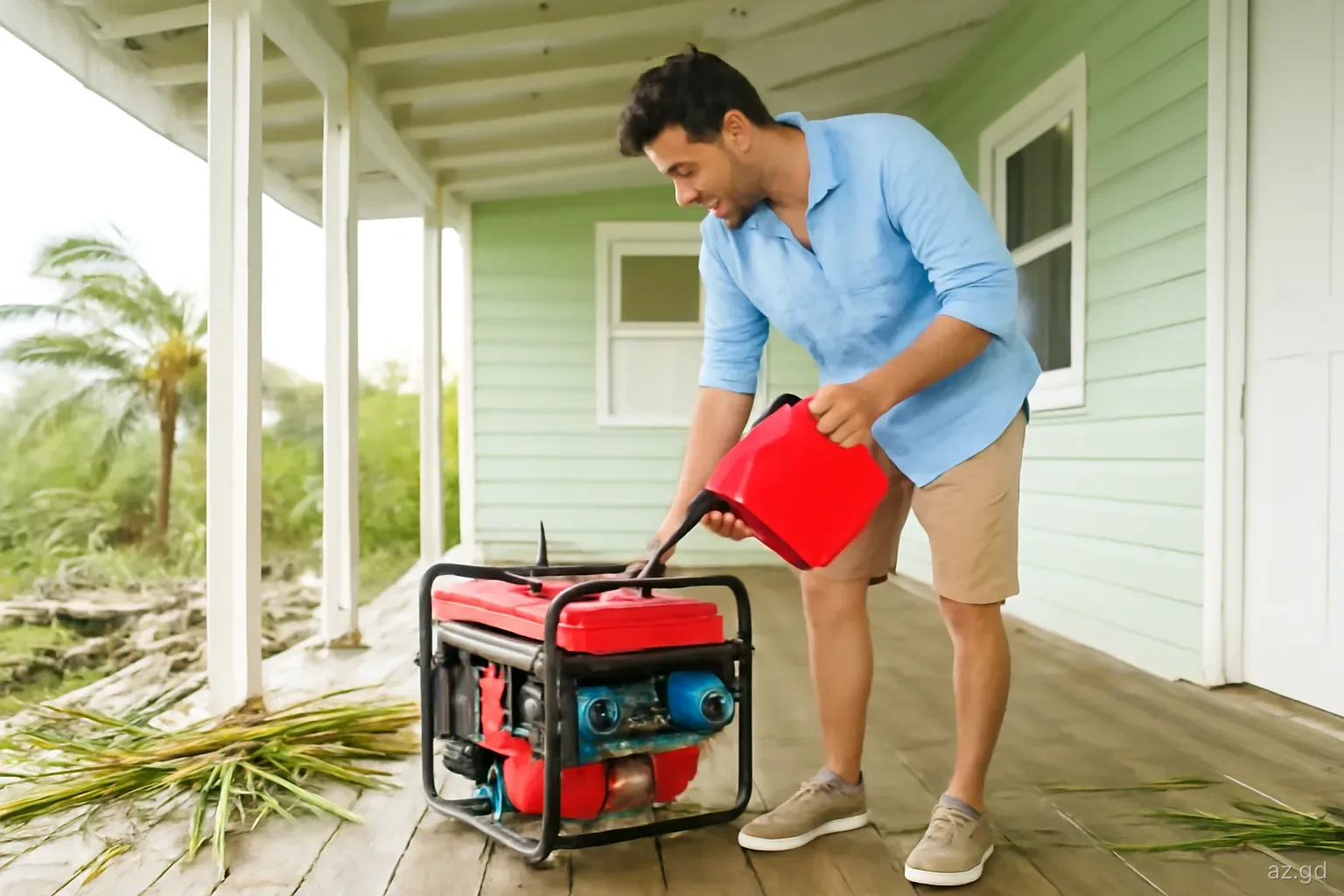
For residents and visitors, the practical points are the same as on the main island, though outages after severe weather can last longer because crews and materials have to be brought across. Many households and businesses on the sister islands keep generators or solar-and-battery systems as a backup.
Since the storm, there has been considerable discussion and investment around making the sister islands' supply more resilient, including more solar generation. Ask GRENLEC or local installers about the current situation if you are building or buying on Carriacou or Petite Martinique.
Solar power and cutting your bill
Rooftop solar has become more common, but connecting a system to the grid is regulated. Before investing, and before simply cutting consumption, consider these points:
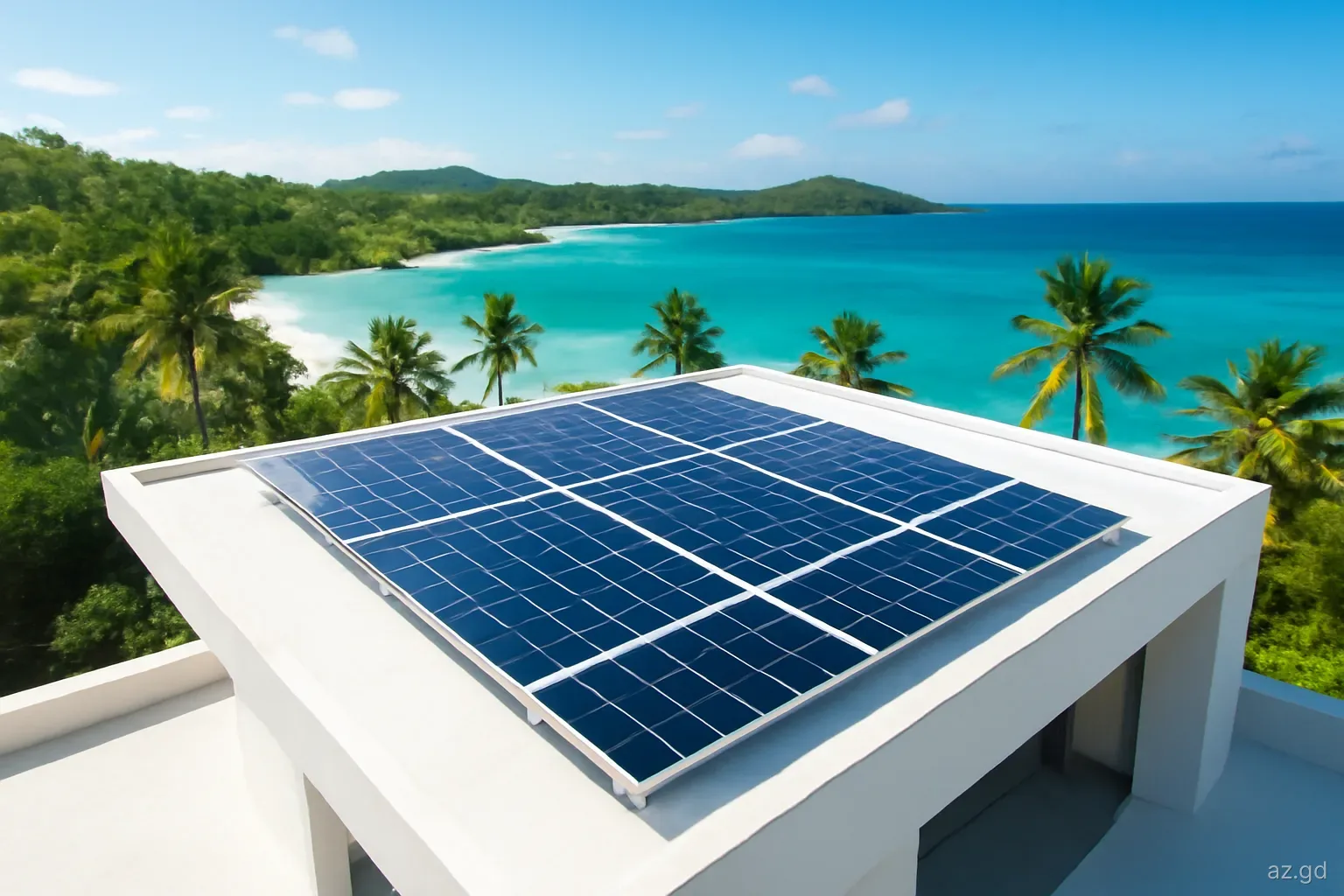
- Grid-connected rooftop systems require authorisation, and surplus power is credited under GRENLEC's net billing arrangements rather than old-style net metering. Check the current rules with GRENLEC and the PURC before buying a system.
- Off-grid or battery-backed systems give independence during outages but cost more; get quotes from established installers and ask about hurricane-rated mounting.
- Air conditioning is usually the biggest single cost. Use it in bedrooms at night, set it around 24 to 25°C, and keep doors and windows closed while it runs.
- Ceiling fans, shade from trees or awnings, and light-coloured roofs keep houses cooler for far less energy.
- Old fridges and freezers can be expensive to run in the heat; replacing them with efficient models often pays back quickly.
- Water heaters add up. Solar water heaters are common and well suited to the climate.
- Watch your monthly kWh, not just the dollar total, so you can tell whether a higher bill is due to the fuel charge or to your own usage.
Frequently asked questions
What plugs and voltage are used in Grenada?
Grenada uses 230 volts at 50 hertz with British-style three-pin Type G sockets. Visitors from North America need plug adapters and, for devices that are not dual voltage, a voltage converter.
Why is electricity so expensive in Grenada?
Most electricity is generated from imported diesel, so bills include a fuel charge that follows world oil prices. Small island grids also have high costs per customer. Renewable energy is growing but has not yet replaced diesel as the main source.
How do you get electricity connected in Grenada?
A licensed electrician prepares an inspection application, the government Electrical Inspectorate inspects the wiring and issues a certificate, and then you apply to GRENLEC with ID, the certificate and the fee. Connection usually follows within about a week.
Can you install solar panels in Grenada?
Yes, but grid-connected systems need authorisation and are subject to GRENLEC's net billing rules. Check current requirements with GRENLEC and the Public Utilities Regulatory Commission before buying a system, and use an experienced installer.
Who regulates electricity prices in Grenada?
The Public Utilities Regulatory Commission sets the tariff methodology under the electricity legislation. The bill is made up of an energy charge, a fuel charge that changes with diesel prices, a renewable energy charge and applicable taxes.