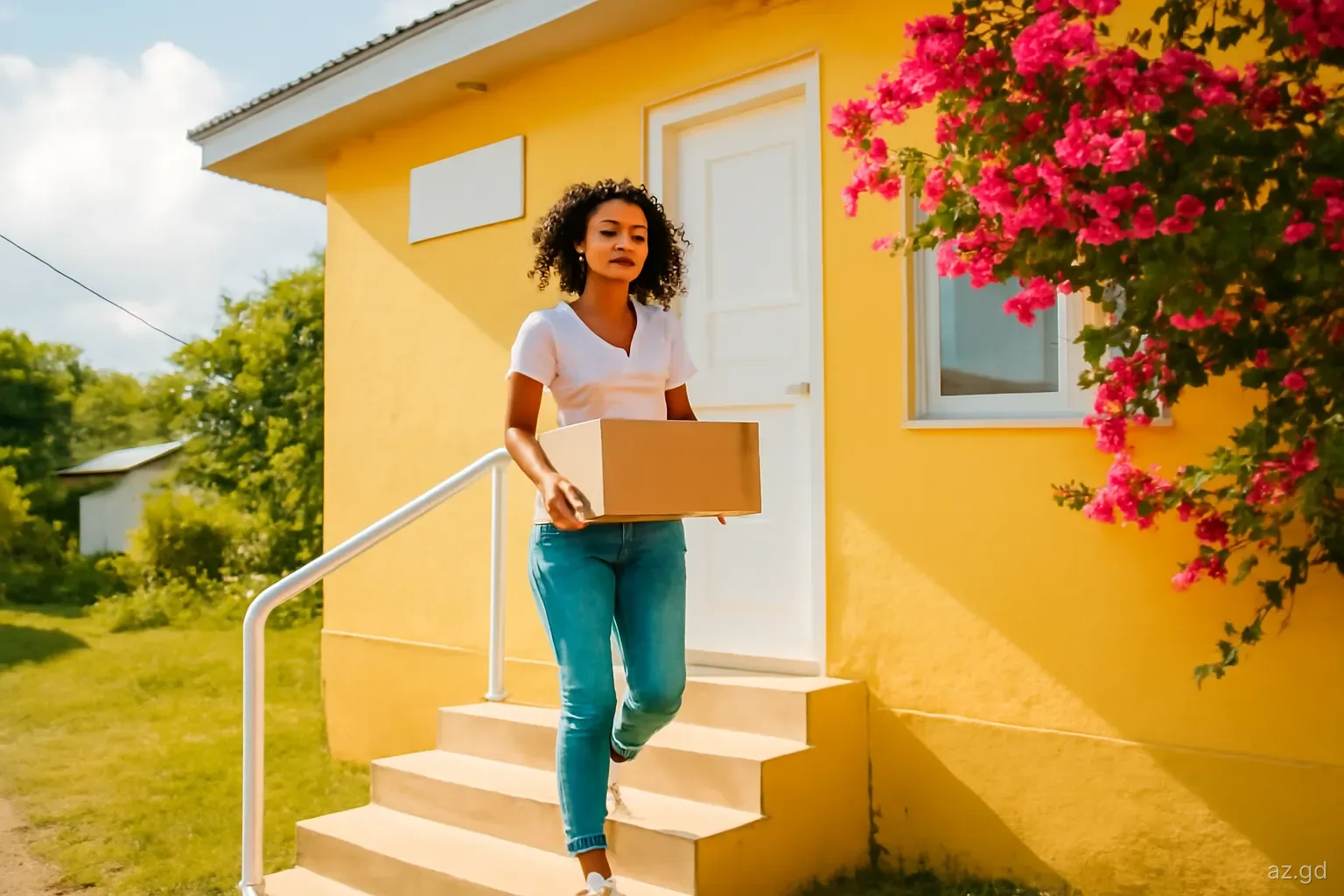
Ask a Grenadian for their address and you are likely to hear something like "the yellow house past the church in Morne Jaloux, St George's". There are no postcodes, many roads have no official names in daily use, and houses rarely have numbers. Letters and parcels still arrive, but the system works differently from the one most newcomers know, and a lot depends on post office boxes, local knowledge and a phone number on the package.
This guide explains how the postal service works, how to write and give an address, how to receive parcels from abroad, what customs duty to expect, and the alternatives that most residents actually use for online shopping.
The Grenada Postal Corporation
The national postal service is run by the Grenada Postal Corporation (GPC), a statutory corporation that took over from the government postal department in 1997. Its main office has long been at Burns Point in St George's, near the port. In early 2026 the corporation announced that its St George's operations would temporarily move to a facility on the national cricket stadium compound, so check the current location before you go.
Beyond the capital, there are post offices in the main towns, including Grenville, Gouyave, Sauteurs, Victoria and St David's, and in Hillsborough on Carriacou, together with smaller district post offices in many villages. Opening hours are generally weekday business hours, with shorter hours at smaller branches.
GPC handles letters, parcels and registered mail, and sells stamps. Grenada is known among collectors for its colourful stamp issues, and philatelic products have long been part of the postal service's business.
Addresses: how to write and give one
No postcodes. Grenada does not use postcodes. An address normally consists of the name, a PO box or a description of the location, the village or district, the parish and the country.
Add "West Indies". The postal service recommends writing "Grenada, West Indies" on mail from abroad, so that items are not misrouted to Granada in Spain or Grenada, Mississippi, in the United States.
PO boxes. Many residents and most businesses rent a post office box at their local post office, because it is the most reliable way to receive mail. Ask at the post office about availability and the annual rental fee.
Descriptions for deliveries. For couriers, taxis and deliveries, give a clear description with landmarks: the village, the nearest church, school, shop or junction, the colour of the house and a phone number. Sharing a location pin from your phone is now common and very helpful.
Official documents. Banks and government offices often ask for proof of address. A utility bill in your name, or a letter from your landlord, is usually what they need.
Receiving a parcel through the post
Parcels sent by ordinary international mail arrive through the postal system and pass through customs before you can collect them. Allow time: the process is not instant, and it usually involves a visit in person. It typically runs like this:
- The parcel arrives in Grenada and is held for customs examination.
- You receive a notice, usually in your PO box or by phone, telling you that a parcel is waiting for collection.
- You go to the post office or customs counter with the notice and your identification.
- The parcel may be opened in your presence, and a customs officer assesses any duty and taxes based on the contents and declared value. Having the invoice or receipt, on your phone or printed, helps the assessment.
- You pay any duty, VAT and handling charges, then take the parcel.
Customs duty and taxes on imports
Goods imported into Grenada are subject to customs duty at rates that vary by type of product, and VAT, which is charged at 15 per cent on most goods and services, applies on top. Additional charges may apply to some items. Gifts and personal effects may be treated differently from goods bought online, but declared values are checked. Customs rules and rates are set by the Customs and Excise Division; ask them for the current position on particular items.
The practical effect is that an item ordered online can cost considerably more by the time it reaches you than the price paid at checkout. Before buying something expensive from abroad, estimate the duty and VAT and compare with the local price.
Some items are restricted or need permits, such as certain medicines, plants, seeds, food products, firearms and drones. Check before ordering, as restricted items can be held or confiscated.
Returning residents and people relocating to Grenada may qualify for concessions on personal and household effects under specific conditions. These are handled through the customs authorities and, for returning nationals, through the relevant government office, so ask before shipping a container of belongings.
Couriers, freight forwarders and barrels
International express couriers. The major global express courier companies serve Grenada through local offices or agents. They are faster and easier to track than ordinary mail, but more expensive. Duty and taxes still apply, and the courier may collect them before delivery.
Freight forwarders. Many residents shop online using a freight forwarder: a company that gives you a mailing address in the United States, often in Miami, receives your orders there and ships them to Grenada by air or sea. You collect from the forwarder's office in Grenada and pay the shipping charge plus duty and VAT. Compare rates, as they are based on weight or volume.
Barrels. The tradition of family members abroad packing a barrel with groceries, clothes and household items and sending it home by sea is still very much alive, especially before Christmas and the start of the school year.
Shipping out. In August 2025 the postal service suspended parcels containing goods to the United States after changes to US import rules. Check the current position with GPC or use a courier for outgoing parcels.
Sending mail and parcels abroad
Letters and postcards can be sent from any post office, and stamps are sold at the counter. Registered mail gives proof of posting and delivery for important documents. For anything time-sensitive, such as legal papers, visa applications or university documents, most people use an international courier, which offers tracking and faster delivery at a higher price.
Parcels need a customs declaration describing the contents and their value. Some goods cannot be sent, including flammable items, and destination countries have their own restrictions on food, plants and medicines. Grenadian specialities such as nutmeg, spices and chocolate are popular to send home; check the destination country's rules for food imports, and pack chocolate carefully, as it melts in transit in the heat.
Postal rules for sending goods to some countries have changed in recent years, as the United States example shows, so check the current position with the Grenada Postal Corporation before preparing a parcel.
Mistakes newcomers make with post and parcels
Most delays and extra costs come from a few common errors:
- Giving an overseas shop an address without a phone number, so the courier cannot find you.
- Writing only "Grenada" without "West Indies" on international mail.
- Not keeping invoices for online orders, which makes customs assessment slower and can lead to higher valuations.
- Ordering restricted items, such as plants or certain supplements, without checking import rules.
- Assuming delivery to the door. Many parcels must be collected from the post office, customs or the forwarder.
- Expecting fast international mail. Ordinary letters and parcels can take weeks, so use a courier for anything urgent.
- Leaving collection notices for too long. Parcels not collected within the holding period may be returned to the sender.
- Sending cash or valuables by ordinary mail. Use registered mail, a courier or a bank transfer instead.
Frequently asked questions
Does Grenada have postcodes?
No. Grenada does not use postcodes. Addresses are written with the name, PO box or location description, village or district, parish and "Grenada, West Indies". Many residents use a PO box for reliable mail delivery.
How do you get a PO box in Grenada?
Ask at your local post office run by the Grenada Postal Corporation. Boxes are rented annually, and availability varies by branch. You will usually need identification and to pay the rental fee in advance.
Do you pay customs duty on parcels in Grenada?
Usually, yes. Imported goods are assessed for customs duty, which varies by product, plus VAT, generally at 15 per cent. Keep invoices for online purchases to help the assessment, and check rules for specific items with the Customs and Excise Division.
How do people in Grenada shop online?
Many use freight forwarders, which provide a US mailing address and ship orders to Grenada by air or sea. Others use international couriers or ordinary mail. Duty and VAT apply in each case.
Where is the main post office in St George's?
The main office of the Grenada Postal Corporation has been at Burns Point in St George's. In early 2026 it announced a temporary move to the national cricket stadium compound, so check the current location before visiting.