The first weeks in a new home in Grenada are much smoother if utilities are set up in the right order. Some services take a day; others can take weeks. Internet installation is often the longest wait, while electricity and water accounts may simply need transferring from the previous occupant. And one service catches out almost every newcomer from North America or Europe: cooking gas comes in cylinders, not pipes.
This guide sets out a practical order of tasks, the documents you will need, and the questions to ask your landlord or seller. It complements the detailed guides on electricity, water, internet and mobile networks elsewhere on this site. Requirements change, so confirm with each provider.
Gather your documents first
Almost every provider will ask for some combination of the following. Having them ready, with copies on your phone and on paper, saves repeat trips:
- Passport or Grenadian ID such as a driving permit or voter identification card.
- Lease agreement, or a deed or sale agreement if you own the property.
- A letter from the landlord authorising you to open accounts in your name, if the lease does not cover it.
- A description of the location with landmarks, and a location pin you can share.
- Your work permit or residence documents, if applicable; some providers ask non-nationals for these.
- A local phone number, which you will need on every application form.
- Bank details or a payment card for deposits and fees.
The order that works best
Start before you move in if possible. This order reflects how long each step tends to take:
- Get a local SIM on day one. Every provider will want a local contact number, and you will need data while you wait for home internet.
- Request internet as soon as the address is confirmed. Ask both Flow and Digicel what reaches the property and book installation; this can take from days to weeks.
- Transfer or open the electricity account. If power is already connected, ask GRENLEC to transfer the account to your name or confirm the landlord's arrangement. A disconnected or new property needs inspection by the Electrical Inspectorate before connection.
- Transfer or open the water account. Contact NAWASA with your documents. Check the meter reading on move-in day.
- Arrange cooking gas. Find out whether the stove runs on a gas cylinder and whether one comes with the property.
- Confirm garbage collection days. Ask neighbours which days collection happens on your street.
- Rent a PO box at your local post office if you will receive mail.
Electricity and water: transfer, not start from scratch
In most existing homes, electricity and water are already connected, and the question is simply whose name the accounts are in. In long-term rentals, some landlords keep the GRENLEC and NAWASA accounts in their own name and pass the bills to the tenant; others require tenants to open accounts. Clarify this in the lease. If the landlord keeps the accounts, ask to see the bills each month so you know what you are paying for.
If you are opening accounts, GRENLEC and NAWASA may ask for a security deposit, especially for non-nationals. On move-in day, photograph both meters with the readings visible and note the date. This avoids disputes over the previous occupant's usage.
For a new build or a property that has been disconnected for a long time, allow more time. Electricity requires a licensed electrician, an inspection by the government Electrical Inspectorate and then the GRENLEC application. A new water connection requires NAWASA to assess the site and quote for the work.
Cooking gas, garbage and the services people forget
Cooking gas. Most homes cook with liquefied petroleum gas (LPG) from cylinders, commonly in 20-pound and 100-pound sizes. Empty cylinders are exchanged for full ones at gas depots, service stations and many shops, and some suppliers deliver. Keep a spare if you cook a lot, as running out on a Sunday evening is a classic newcomer experience.
Gas safety. Check the hose and regulator when you move in, keep cylinders upright and in a ventilated place, and turn off the valve when away for long periods.
Garbage. Household refuse collection is managed by the Grenada Solid Waste Management Authority, with collection on set days in each area. Use sturdy bins with lids to keep dogs and other animals out, and ask neighbours about the local schedule.
Water heater. Many homes have solar water heaters or electric heaters. Ask how the hot water works and whether there is a switch you need to turn on.
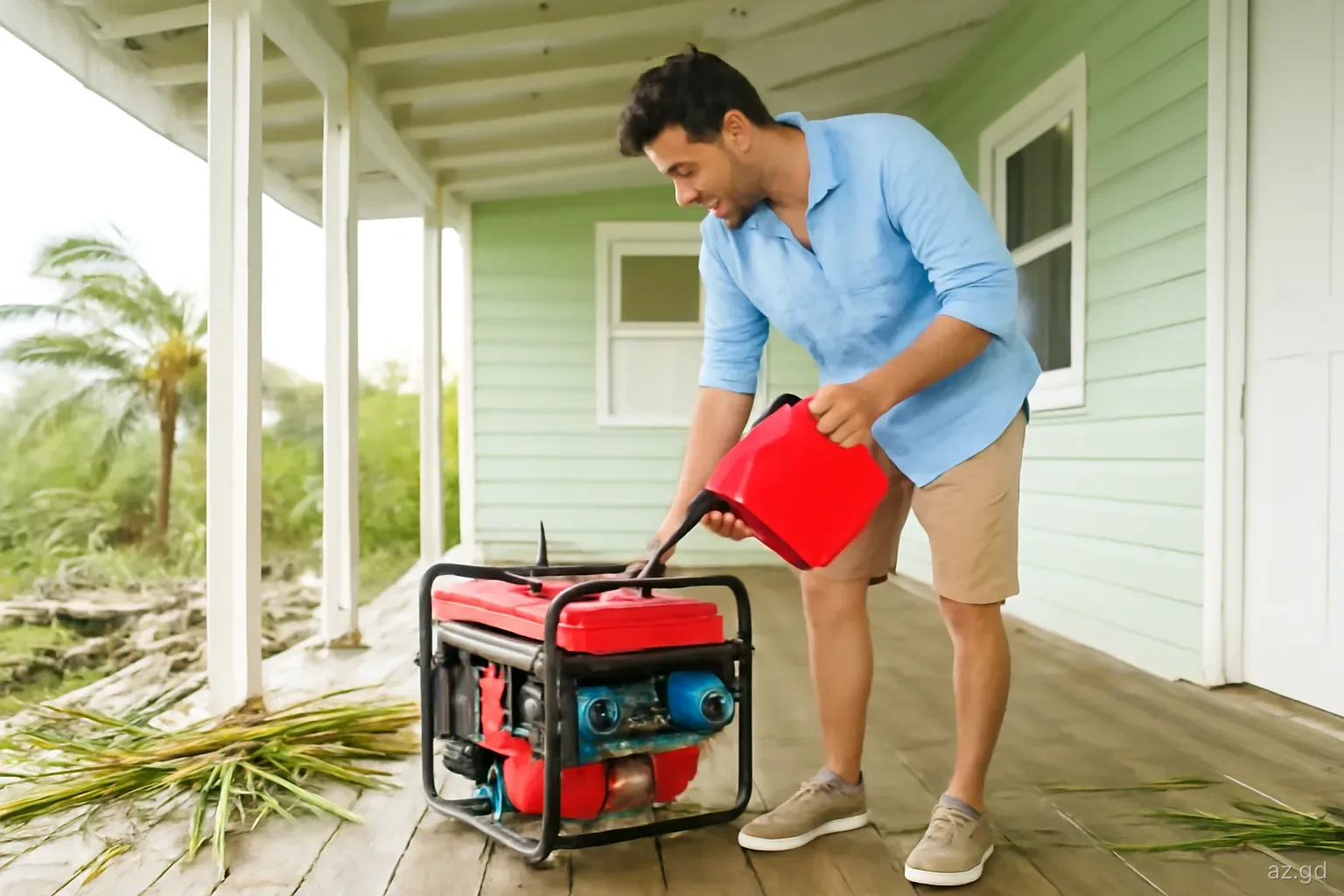
Generator or backup. If the property has a generator or inverter, ask how it is started, how often it is serviced and how the transfer switch works.
Internet and phones: avoid the long wait
Internet is usually the service with the longest lead time, so contact providers as soon as you know your address, even before moving in. Ask whether the property already has a fibre connection, whether an existing line can be transferred to your name, and how long installation will take. If fibre does not reach the property, ask about fixed wireless or other options.
In the meantime, a generous mobile data plan on your phone can be shared with a laptop as a hotspot. If you work remotely, consider taking mobile data on the other network from your home internet provider, so you have a backup during outages.
Remember that providers may ask non-nationals for a deposit and may require a minimum contract term. Read the terms before signing, especially if your stay might be short.
Once the line is installed, change the default wifi name and password, note the account number and the fault-reporting channels, and test the connection in every room you will work or study in. Thick concrete walls often call for a second access point.
Questions to ask the landlord or seller before you sign
Which providers serve the property? Ask which electricity, water and internet accounts are active and with whom. Ask to see recent bills, which also give a realistic idea of monthly costs.
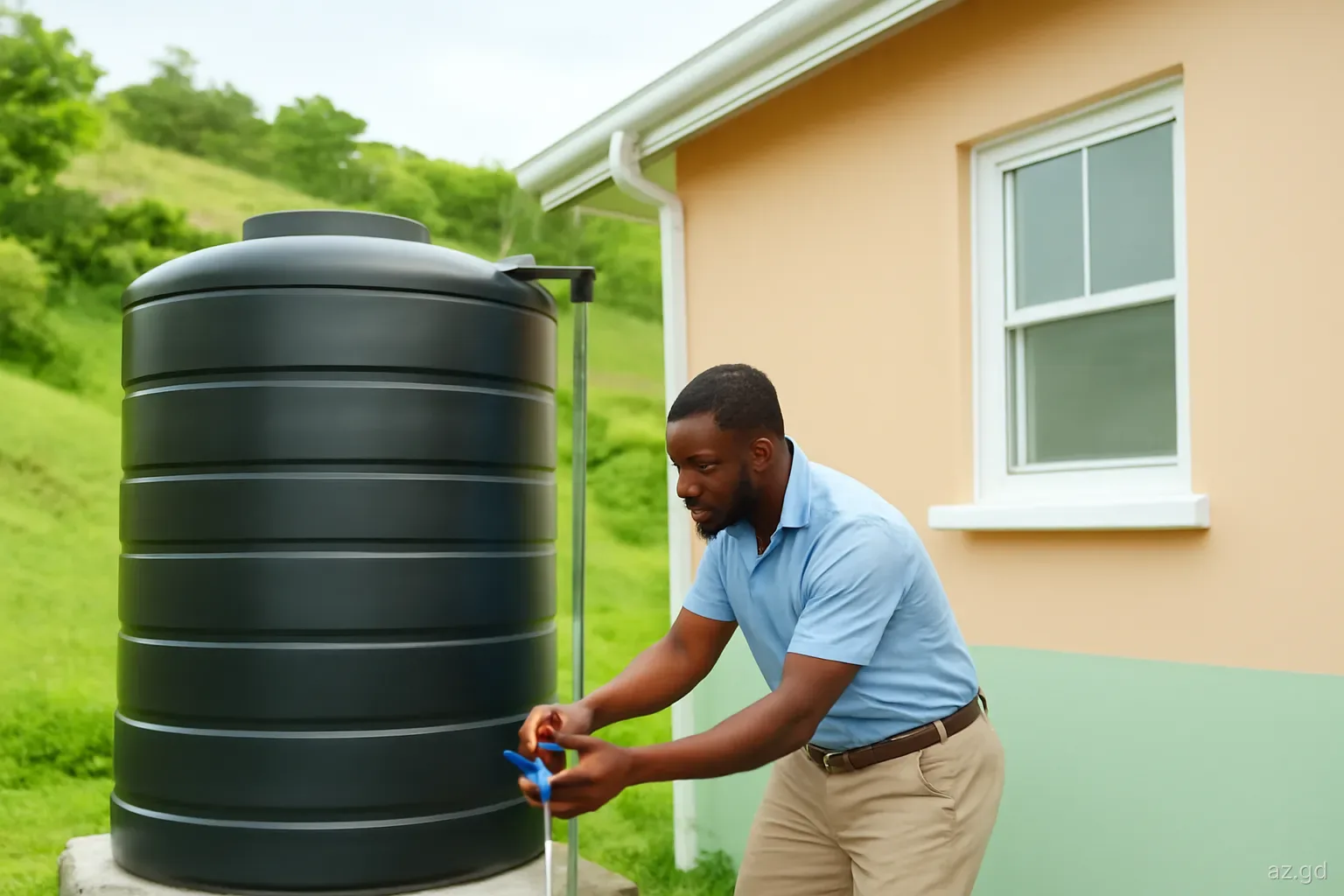
How does the water work? Is there a storage tank, a pump and rainwater collection? How did the property cope in the last dry season?
What is included in the rent? In furnished and short-term rentals, some utilities, internet and garbage collection may be included. Get this in writing, along with any limit on electricity use, which some landlords set for properties with air conditioning.
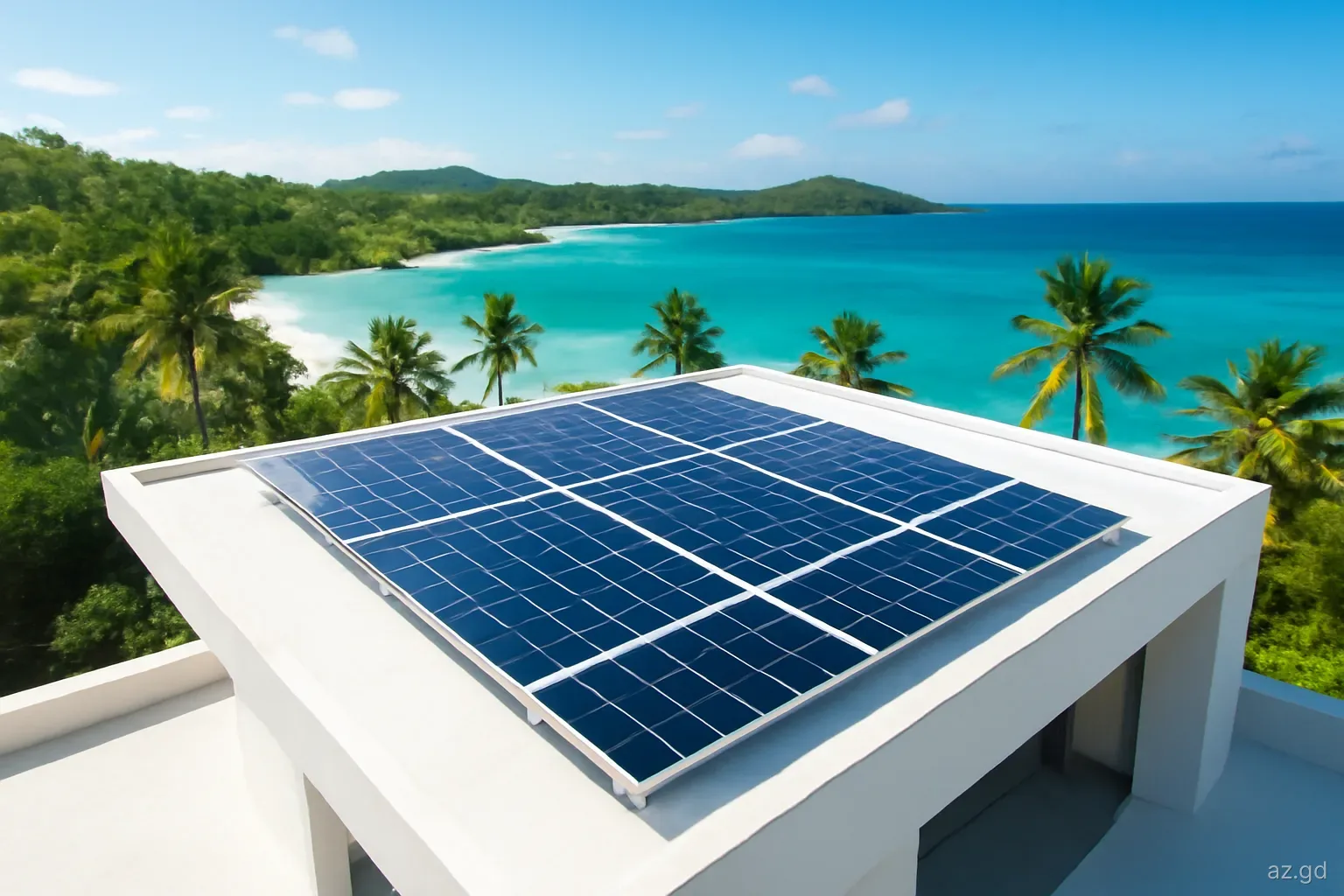
What backup is there? Is there a generator, inverter or solar system, and who maintains it? What happens with the water pump in a power cut?
Who handles repairs? Agree who is responsible for fixing pumps, water heaters, gas fittings and electrical faults, and how quickly repairs will be arranged.
Common mistakes when moving in
These problems come up repeatedly with people moving to Grenada:
- Leaving internet until after moving in, then waiting weeks without a connection.
- Not clarifying in the lease who holds the utility accounts and who pays the bills.
- Forgetting to photograph meter readings on move-in day.
- Not checking whether the water pump and storage tank work, and what happens in a power cut.
- Assuming mains gas, then discovering the cylinder is empty.
- Not keeping copies of documents, which leads to repeat visits to offices.
- Ignoring hurricane season preparation in a new home: check shutters, roof fixings, water storage and a basic emergency kit.
- Not registering with your embassy or high commission, where it offers that service, so you receive updates in an emergency.
- Paying deposits in cash without receipts, which makes refunds difficult when you leave.
Frequently asked questions
What utilities do you need to set up in Grenada?
Usually electricity with GRENLEC, water with NAWASA, internet with Flow or Digicel, a mobile phone line, cooking gas cylinders and, if you want mail, a PO box. Garbage collection is managed by the Grenada Solid Waste Management Authority.
What documents do you need to open utility accounts in Grenada?
Typically a passport or Grenadian ID, a lease or proof of ownership, a landlord's letter if required, a local phone number and a clear description of the location. Non-nationals may also be asked for work or residence documents and a deposit.
How long does it take to get internet in a new home in Grenada?
It can take from a few days to a few weeks, depending on the provider, the location and whether new cabling is needed. Contact providers as soon as you know your address and use mobile data in the meantime.
Is there mains gas in Grenada?
No, homes generally use bottled LPG in cylinders for cooking. Empty cylinders are exchanged for full ones at gas depots, service stations and shops, and some suppliers deliver. Keep a spare cylinder to avoid running out.
Do tenants or landlords pay utilities in Grenada?
It depends on the lease. Often tenants pay electricity, water and internet, whether accounts are in their name or the landlord's. Clarify in writing who holds each account, who pays and how bills will be shared.