Most of the year, electricity in Grenada is reliable enough that power cuts are an occasional nuisance: a scheduled maintenance outage, a fault after a lightning strike, a line brought down by a falling branch. During hurricane season, from June to November, the stakes rise. A severe storm can cut power, water pumps and internet for days on the main island and for months on the hardest-hit areas, as Hurricane Beryl showed on Carriacou and Petite Martinique in 2024.
This guide covers practical preparation for both ordinary outages and storms: protecting electronics, choosing backup power safely, keeping water flowing and staying connected. It is aimed at residents and long-stay visitors, but short-stay visitors will find the essentials useful too.
Everyday outages: what to expect
Planned outages. GRENLEC announces planned interruptions for maintenance and line work in advance through local media and its own channels, listing the areas and times affected.
Unplanned outages. Faults caused by lightning, falling trees, vehicles hitting poles or equipment failures can cut power without warning. Most are fixed within hours.
Surges. Voltage spikes and drops often happen when power goes off or comes back on, and during thunderstorms. They can damage electronics, which is why surge protection matters.
Reporting. Report outages to GRENLEC, particularly if your neighbours have power and you do not, which may indicate a fault on your connection. Never approach fallen lines; treat every wire on the ground as live.
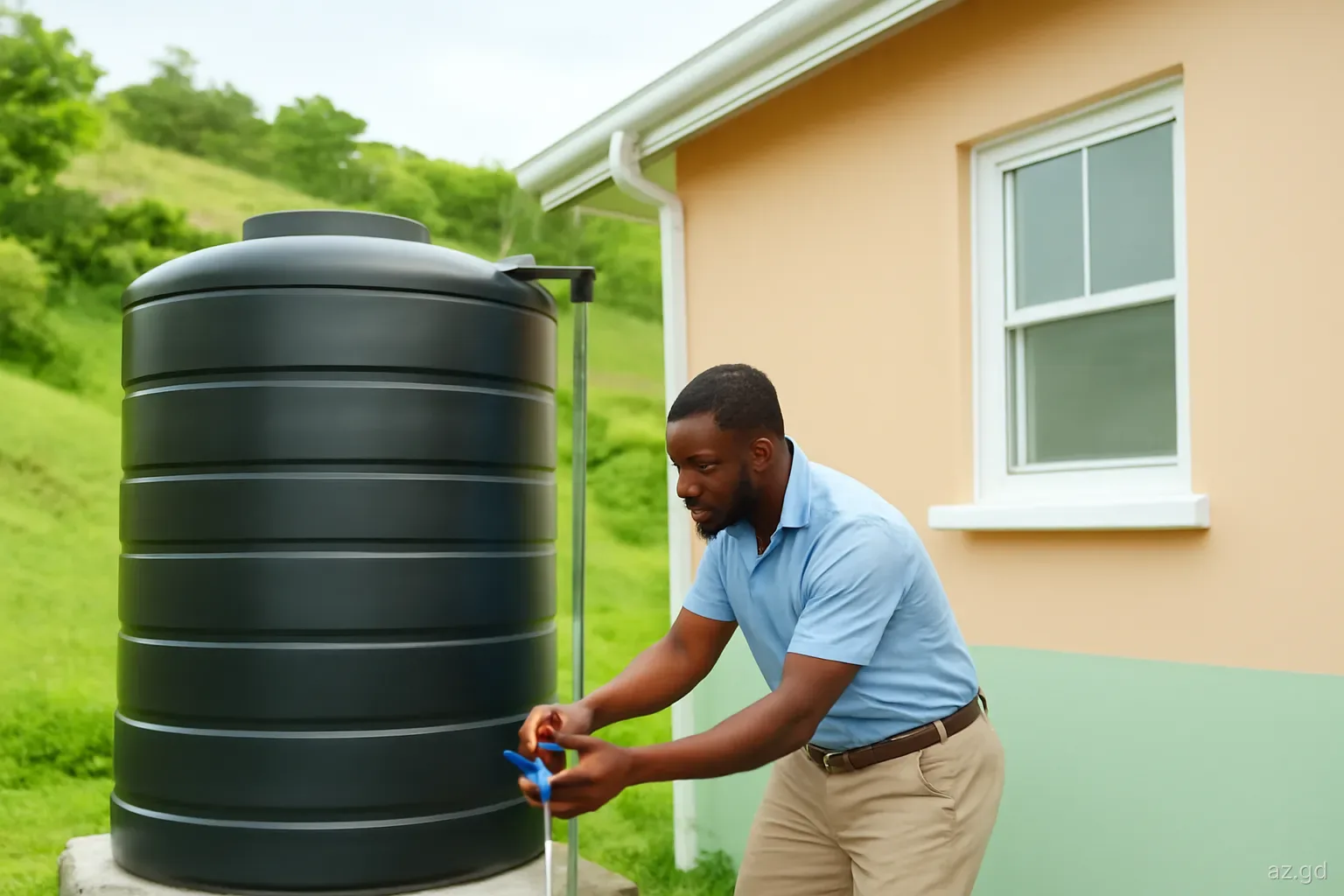
Water pumps. In homes that rely on an electric pump to push water from a storage tank, a power cut can also mean no running water. Know how to switch to gravity supply if your system allows it, and keep some water in containers.
Protecting your electronics
Surge protectors are the minimum for televisions, computers, routers and other sensitive equipment. Choose good-quality units rated for 230 volts and replace them after a major surge, as their protection can wear out. During a thunderstorm, unplugging valuable equipment is the safest option.
An uninterruptible power supply (UPS) gives a battery backup lasting from minutes to an hour or more, depending on its size and the load. It is ideal for a router, fibre terminal and laptop, letting you keep working through short outages and shut down safely during longer ones. Check the batteries every year or two, as the heat shortens their life.
Voltage regulators, sometimes built into a UPS, smooth out fluctuations, which helps protect fridges, air conditioners and other appliances with motors and compressors. After a power cut, wait a few minutes before switching on large appliances, as the supply can be unstable when first restored.
Backup power options compared
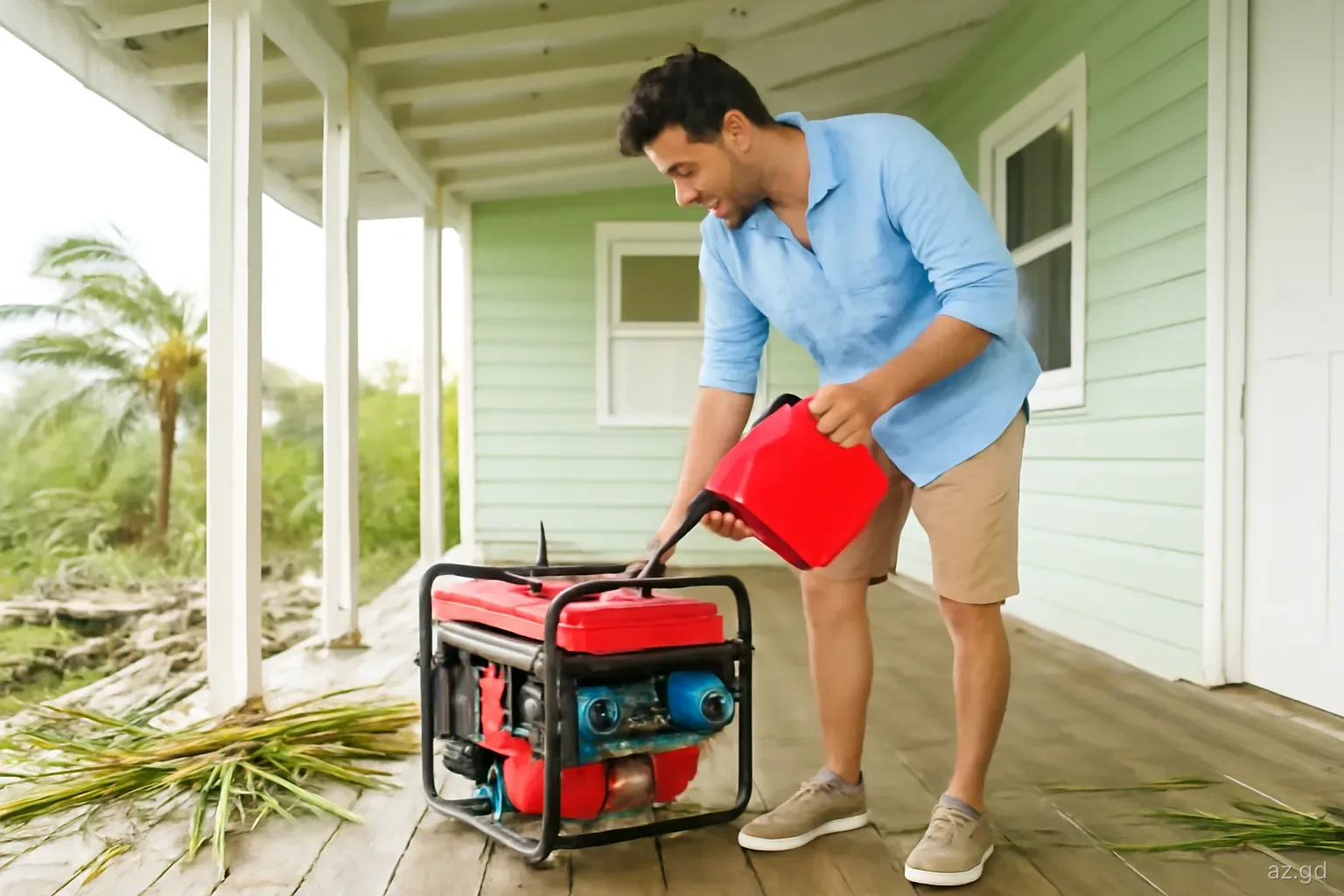
Portable generators. Petrol or diesel generators are the traditional backup. They provide plenty of power but are noisy, need fuel and maintenance, and are dangerous if used carelessly. They produce carbon monoxide, which can kill: never run one indoors, in a garage or near open windows.
Standby generators. Permanently installed generators that start automatically are common in larger homes and businesses. They are costly but convenient. Installation must include a proper transfer switch fitted by a licensed electrician.
Inverters with batteries. An inverter system charges batteries from the grid or solar panels and supplies power during outages, silently and without fuel. It suits lights, fans, fridges, routers and electronics, but not usually air conditioners, unless the system is large.
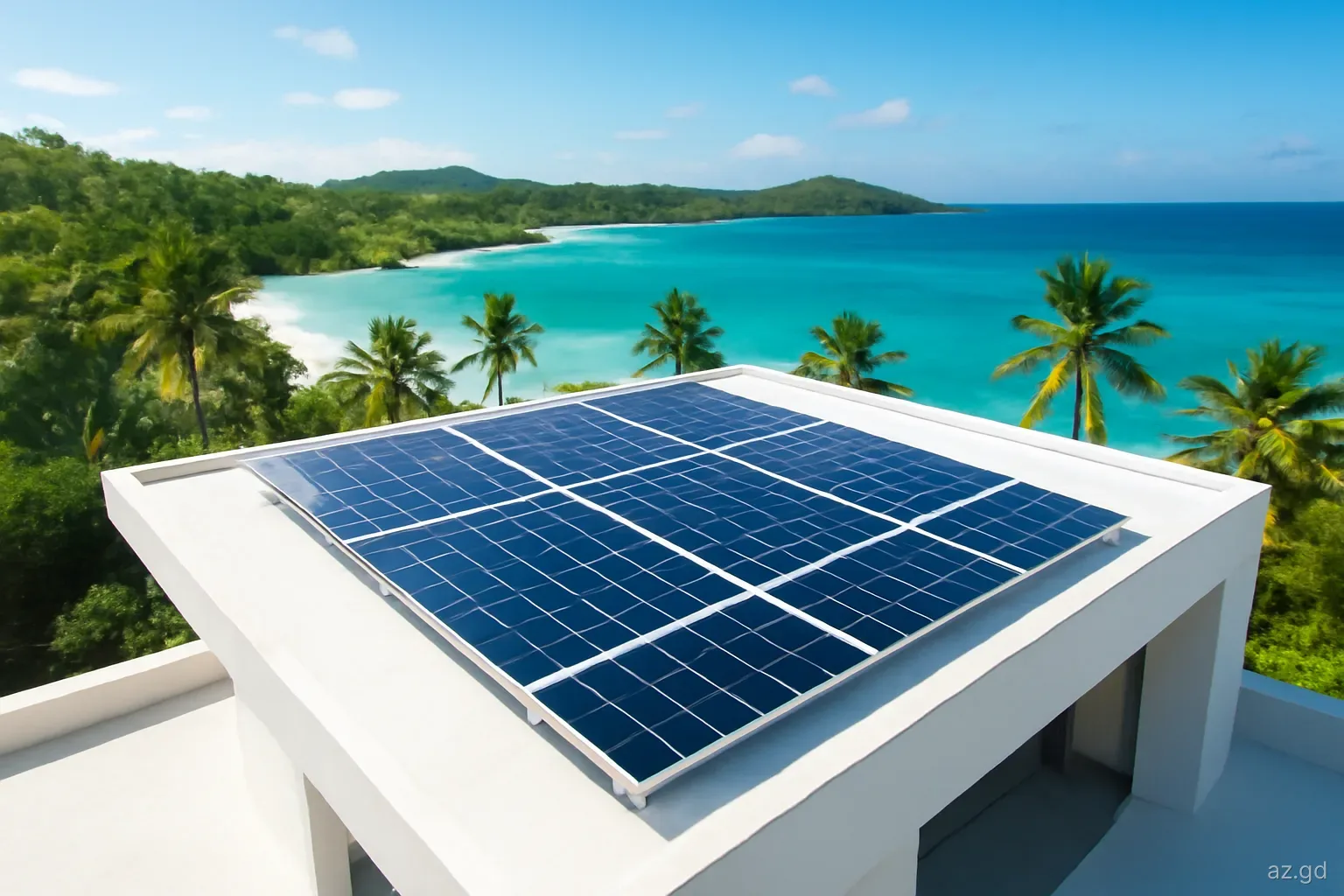
Solar with batteries. Rooftop solar with batteries can keep essential circuits running for extended periods if the panels survive the storm. Grid-connected systems need authorisation, and panels and mounts should be rated for hurricane-force winds.
Power banks and car chargers. For phones and small devices, a few charged power banks and a car charger cover most short outages and are an essential part of any storm kit.
Generator safety: the rules that save lives
Generators cause deaths and injuries in the Caribbean after storms, mostly through carbon monoxide poisoning and fires. Run generators outdoors only, well away from doors, windows and vents, and on a stable surface protected from rain. A battery-powered carbon monoxide alarm inside the house is a cheap and potentially life-saving addition.
Never connect a generator directly to your home wiring by plugging it into a socket. This "backfeeding" can send electricity back into the grid and electrocute GRENLEC crews working on lines, as well as damaging your equipment. Connect appliances directly to the generator with suitable extension cables, or use a transfer switch installed by a licensed electrician.
Store fuel safely in approved containers away from the house and out of reach of children. Let the generator cool before refuelling. Before hurricane season, run it for a short period to check that it starts, and buy fuel early, as service stations can run out or close before and after a storm.
Staying informed and online through a storm
When a storm threatens, communication matters as much as power. A sensible plan:
- Follow official updates from the National Disaster Management Agency (NaDMA), the Grenada Meteorological Service and the government information service. Know which local radio stations broadcast emergency information.
- Keep a battery-powered or wind-up radio, because mobile networks and internet may fail during and after a storm.
- Charge all phones, laptops and power banks before the storm arrives, and download important documents and offline maps.
- Agree a family communication plan: who will contact whom, and a meeting point if phones fail.
- Keep a mobile data plan on a different network from your home internet, if possible, so one failure does not leave you completely offline.
- After the storm, use phones sparingly, sending text messages rather than making calls, to conserve battery and reduce pressure on damaged networks.
Food, water and essentials during a long outage
When the power is off for more than a day, the problems shift from inconvenience to supplies. A few preparations make a long outage manageable:
- Keep the fridge and freezer closed as much as possible. A full freezer stays cold for longer, so freezing bottles of water before a storm helps.
- Stock non-perishable food that needs little or no cooking, and make sure your gas cylinder is full, as a gas stove works without electricity.
- Store drinking water in clean containers, allowing several litres per person per day, plus water for washing and flushing.
- Have torches, spare batteries and solar or rechargeable lanterns rather than relying on candles, which cause fires.
- Keep a supply of essential medicines, and plan for any that need refrigeration.
- Withdraw some cash before a storm, since card machines and cash machines may not work during an outage.
- Keep mosquito repellent and nets handy, as standing water after storms increases mosquito numbers while fans and air conditioning are off.
Lessons from Hurricane Beryl
Hurricane Beryl struck Carriacou and Petite Martinique on 1 July 2024 as a powerful hurricane, destroying or damaging most homes and infrastructure on the sister islands. On the main island, where the impact was less severe, GRENLEC reported that over 97 per cent of customers had their power restored within about a week. On Carriacou and Petite Martinique, where the network had to be largely rebuilt with help from regional utilities, restoration took months and was reported complete by late October 2024. Telecommunications networks were also badly damaged and rebuilt over the following months.
The lessons for households are practical. Have enough water, food, fuel and medicine for at least several days, and longer on the sister islands. Keep important documents in waterproof bags and copies in cloud storage. Secure roofs, shutters and loose objects early. And remember that backup power and communications are most valuable precisely when the whole community is without them.
Frequently asked questions
How often does the power go out in Grenada?
Outside storm season, power cuts are occasional, caused by planned maintenance, lightning, falling trees or faults, and are usually fixed within hours. Severe storms can cause much longer outages, so preparation is important in hurricane season.
Is it safe to use a generator during a power cut?
Yes, if used correctly. Run it outdoors only, far from doors and windows, because of carbon monoxide. Never plug it into a household socket, which can backfeed the grid and endanger line workers. Use a transfer switch fitted by a licensed electrician.
What is the best backup power for a home in Grenada?
It depends on needs and budget. A UPS covers routers and computers for short outages, an inverter with batteries handles lights, fans and fridges quietly, and a generator or solar with batteries is needed for longer outages and heavy loads.
How long did power take to come back after Hurricane Beryl?
On the main island, GRENLEC restored power to over 97 per cent of customers within about a week. On Carriacou and Petite Martinique, where the network was largely destroyed, restoration took months and was reported complete by late October 2024.
Where can you get storm updates in Grenada?
Follow the National Disaster Management Agency, the Grenada Meteorological Service and the government information service, through radio, television and official social media. Keep a battery-powered radio in case mobile networks and internet fail.