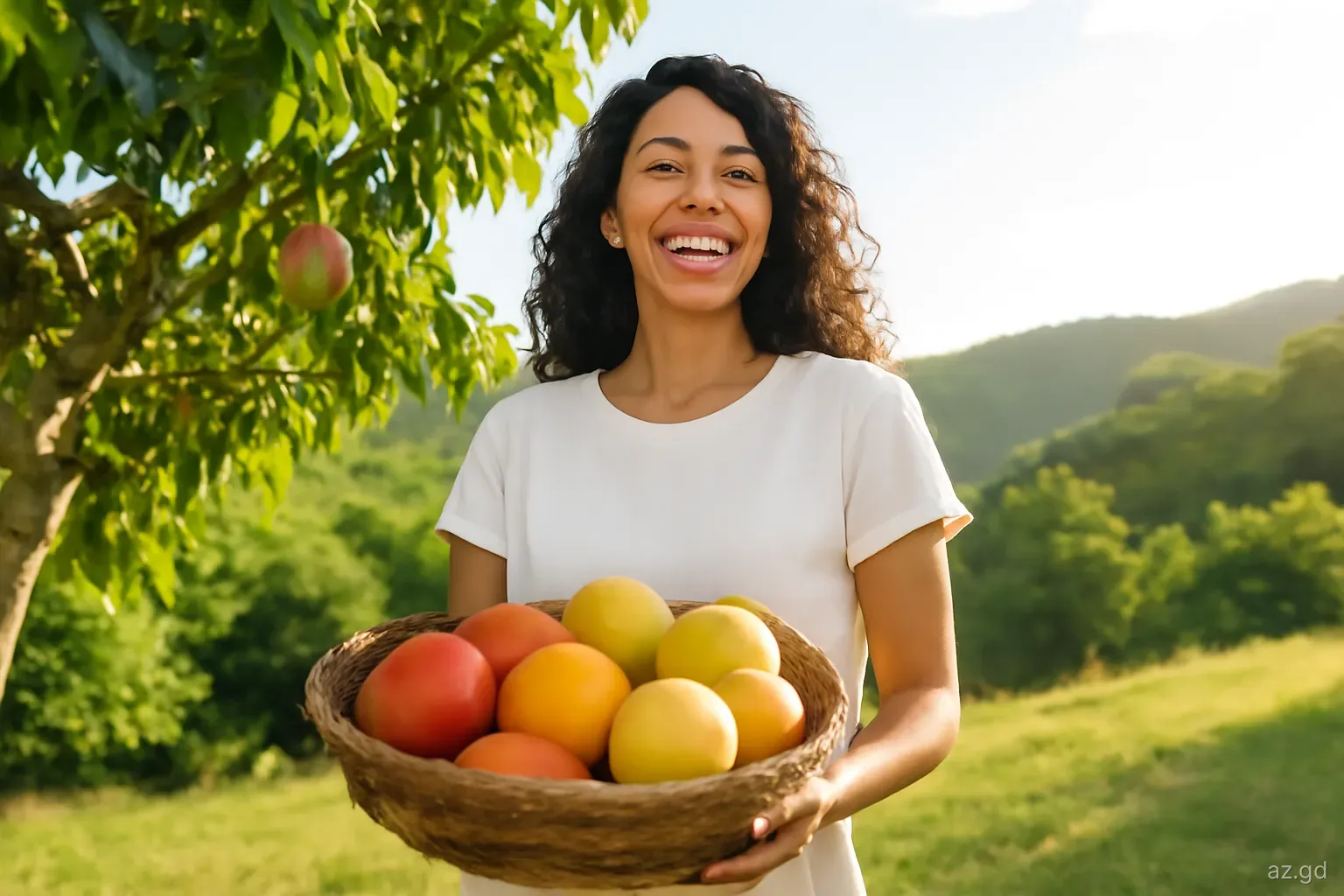
Fruit in Grenada follows the rains. The dry season, roughly January to May, and the wet season, roughly June to December, each bring their own crops, and the arrival of mango season or the first chennet of the year is something people genuinely talk about. Much of the fruit eaten here never sees a supermarket: it comes from trees in yards, on estates and along roadsides, and is sold from wheelbarrows, car boots and small stalls.
For visitors and new residents the range can be confusing. Many fruits go by local names, some are unknown outside the Caribbean, and at least one tree that grows on beaches carries a fruit that is seriously poisonous.
This guide sets out what is available most of the year, what to look for in the dry and wet seasons, how Grenadians eat it, how to choose ripe fruit and what to avoid. Exact timing shifts by several weeks from year to year and between the wetter interior and the drier south, so treat the seasons as a guide rather than a calendar.
Fruit you can find most of the year
Some fruit is available in almost every month, with peaks and dips depending on rain. These are the reliable ones for visitors arriving at any time:
- Bananas and figs. Ripe bananas of several varieties, including small sweet types. In Grenada, "fig" often means banana, especially green bananas used for cooking.
- Papaya (paw paw). Sold ripe for eating and green for cooking; the ripe fruit should give slightly when pressed.
- Coconut. Green "jelly" coconuts for drinking, sold cut open at roadside stands and beaches, and dry coconuts for cooking.
- Soursop. A large green spiny fruit with white, creamy, tangy flesh, mostly used for juice and ice cream. Trees bear through much of the year.
- Citrus. Limes are essential and almost always available; oranges, grapefruit and tangerine types are commonest in the cooler months.
- Pineapple and watermelon. Grown locally and also imported, so supply is fairly steady.
- Breadfruit. Not eaten as a sweet fruit, but a staple. Trees bear heavily for part of the year and lightly at other times, so supply and price vary.
Dry season fruit (roughly January to May)
Sapodilla. A brown, rough-skinned fruit with sweet, grainy, malty flesh, best eaten when soft. Common in the first months of the year.
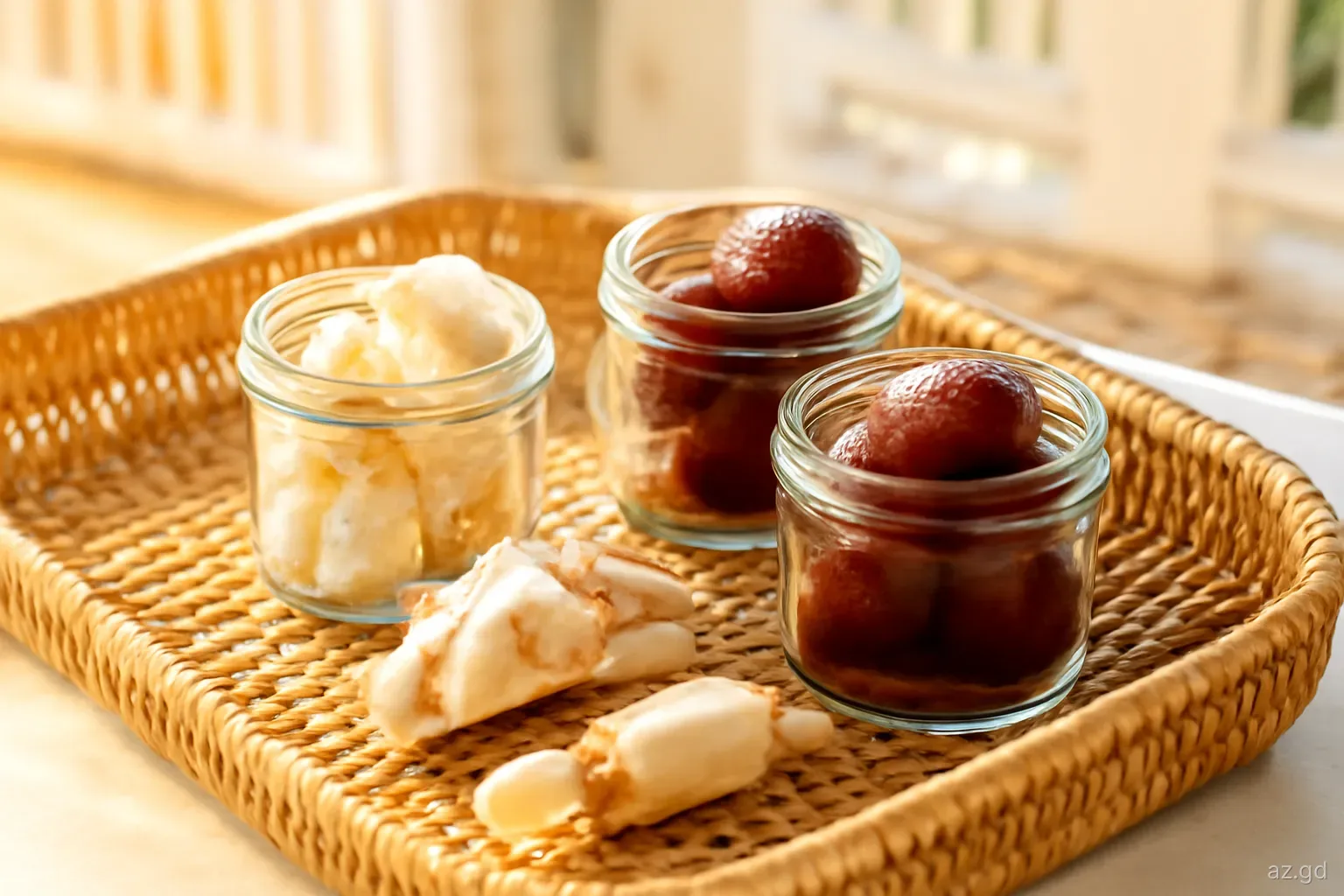
Tamarind. Brown pods with sticky sour-sweet pulp around hard seeds. Used for tamarind balls, drinks and sauces; the dry pods keep well.
Golden apple. Known elsewhere as ambarella or June plum. Eaten green and crunchy with salt, or ripe and yellow, and made into a popular juice. Its season often runs from the later months of the year into the early dry season.
Sugar apple and custard apple. Knobbly green or reddish fruits with soft, sweet, custardy segments and black seeds. Eaten with a spoon.
Early mangoes. The first mangoes usually appear towards the end of the dry season, from around April, and supply builds through May.
Plums. Small yellow and red plums of the hog plum family appear around the end of the dry season and are sold by the bag at roadsides. Sharp, juicy and good stewed or eaten with salt.
Wet season fruit (roughly June to December)
Mango. Peak season is usually around May to August. Grenada grows many varieties, and Julie mangoes are especially prized: small, fibre-light and very sweet. Trees in yards can produce so heavily that fruit is given away.
Chennet. Known elsewhere as guinep or Spanish lime. Small green fruits in bunches; crack the shell and suck the tangy pink pulp from the large seed. Usually mid-year, roughly July to September.
Avocado. Called "pear" by many Grenadians. Large, green, creamy fruits, most abundant in the second half of the year.
Guava. Fragrant, pink-fleshed and common after the rains start; used fresh, in drinks, jams and guava cheese.
Barbadine. A very large, pale green passion fruit. The pulp and soft flesh are blended into a refreshing drink.
Five finger. Carambola or star fruit; sour to sweet, eaten fresh or juiced. Bears at several points during the year.
How Grenadians eat their fruit
Much fruit is eaten straight from the tree, often by children walking home from school. Green mango and green golden apple are sliced and eaten with salt, a little pepper or garlic, a sour-salty snack that surprises many visitors. Ripe mangoes are often eaten whole over a sink or outside, peeled with the teeth, because there is no tidy way to eat a juicy one.
Juice is the other main use. Golden apple, soursop, barbadine, guava, passion fruit, five finger and tamarind are all blended or pressed with water, sugar and sometimes nutmeg or lime. Homemade juice is sold in reused bottles at markets, roadside stands and small shops, and is usually cheap. Local ice cream makers turn soursop, guava and other fruits into flavours, and many households make jams, jellies and preserves when a tree is heavy.
Fruit also turns up in savoury cooking: green papaya in chutneys and stews, breadfruit in oil down and roasted on coals, and avocado as the standard side for Sunday lunch or a plate of provisions.
Why the same fruit ripens at different times across the islands
Grenada is small, but its rainfall varies sharply. The mountainous interior around Grand Etang and the windward slopes of St Andrew and St David receive far more rain than the dry southern peninsula around Point Salines, Grand Anse and Lance aux Epines. A mango tree in a wet valley in St John may fruit weeks apart from one in a dry yard near the airport, which is why the season seems to stretch on for months.
Carriacou and Petite Martinique are drier still, with long dry seasons and fewer fruit trees. Mangoes, plums, golden apple and sugar apple do grow there, but a good deal of the fruit sold in Hillsborough arrives by boat from the mainland, and choice can be thin in a dry year. Hurricane Beryl in July 2024 also damaged many trees on the sister islands, and replanted trees take years to bear.
A wet or dry year shifts everything. A late start to the rains can delay mangoes and avocados, while heavy rain at flowering time can mean a poor crop. Vendors are the best guide to what is happening this year.
Buying and choosing fruit
Fruit is sold at Market Square in St George's, the Grenville market, roadside stalls, supermarkets and from vendors at beaches and cruise areas. A few habits help:
- Ask what is in season. Vendors will tell you what is good that week, and seasonal fruit is cheapest and best.
- Ask whether the fruit is for today or for later. Vendors can choose fruit that will be ripe on the day you plan to eat it.
- Press gently. Mangoes, avocados, papayas and sapodillas should give slightly when ripe. Soursop is ready when the skin yields and the spines soften.
- Smell it. Ripe guava, mango and pineapple are fragrant at the stem end.
- Check prices before bagging. Fruit is often sold by the heap, bag or dozen rather than by weight. Ask "How much for this?" before choosing.
- Wash fruit eaten with the skin, and peel or wash anything bought from an open-air stall before eating.
What to avoid: manchineel and other hazards
Most Grenadian fruit is safe and delicious, but there are some real hazards:
- Manchineel. A coastal tree found on some Grenadian beaches with small, green, apple-like fruit. The fruit is highly poisonous and the milky sap blisters skin and eyes. Never eat it, never shelter under the tree in rain, and do not burn its wood. Trees are sometimes marked with red paint.
- Mango sap. The sap and skin near the stem can cause an itchy rash around the mouth in sensitive people. Peel or wash before eating if you react.
- Chennet seeds. The large slippery seed is a choking hazard, particularly for small children. Supervise children eating it.
- Unknown fruit on beaches or trails. If you do not know what it is, do not taste it. Ask a local first.
- Fallen fruit on private land. Fruit trees in yards and on estates belong to someone, even when fruit lies on the ground. Ask before picking.
Frequently asked questions
When is mango season in Grenada?
Mangoes usually start appearing around April, with the main season around May to August. Timing varies with rainfall and between parishes. Julie mangoes are especially popular, and in a good year trees in yards produce more fruit than households can eat.
What is golden apple?
Golden apple is the Grenadian name for the fruit known elsewhere as ambarella or June plum. It is eaten green with salt or ripe, and is widely made into juice. It has a spiny seed in the centre, so it is not eaten whole.
Is it safe to eat fruit from roadside vendors?
Generally yes. Fruit sold at roadside stalls is usually picked locally and very fresh. Wash or peel anything eaten with its skin, and check that cut fruit and juices are kept cool and covered.
What is manchineel and where is it found?
Manchineel is a tree that grows on some beaches and coastal areas in Grenada. Its fruit looks like a small green apple but is highly poisonous, and its sap causes painful blisters. Do not eat the fruit, touch the sap or shelter under the tree during rain.
Can Grenadian fruit be taken home in luggage?
Most countries, including the United States, United Kingdom, Canada and European Union members, restrict or prohibit fresh fruit from the Caribbean because of plant pests. Dried, cooked or processed fruit products such as jams are usually treated differently. Check your destination country's rules before travelling.