Saturday has its own food in Grenada. While Sunday is for big family lunches and weekdays are for roti and a quick plate, Saturday mornings and middays belong to souse and black pudding: cold, sharp, lime-pickled pork in a peppery brine, and warm, soft, spiced blood sausage, often bought together from a roadside cook or a rum shop window.
For visitors these dishes can be an acquired taste, and they are easy to miss because they are sold informally and often run out before lunch. For many Grenadians they are a weekly ritual and a taste of home that people abroad miss.
This guide explains what souse and black pudding are, how they are made, where and when to find them, how to eat them and what to check before you buy.
Why Saturday?
The link between Saturday and these dishes has practical roots. Traditionally pigs were slaughtered towards the end of the week so that fresh pork was available for Sunday lunch. The parts that did not keep well and were not wanted for the Sunday pot — the feet, head, skin and blood — were turned into souse and pudding and eaten straight away.
Saturday is also market day for many households and the day for chores, errands and catching up with neighbours. A bowl of souse and a piece of pudding from the person who makes them in the village became the natural Saturday lunch: cheap, quick and sociable. Many people also see souse as a cooling dish after a Friday night out.
Today pork is available every day, but the habit has stuck. Many vendors make souse and pudding only on Saturdays, and in some villages the same family has made them for years. The weekly rhythm is part of the appeal.
What souse is
The meat. Classic souse is made from pig trotters (pig feet), sometimes with pig ears, snout or skin. The pieces are cleaned, scraped and boiled until tender but still slightly chewy. Chicken-foot souse is a common and cheaper alternative, and some cooks make souse with conch or cow heel.
The brine. The cooked meat is cooled and dropped into a cold liquid of water, lots of fresh lime juice, salt, sliced cucumber, onion, garlic and hot pepper. Fresh herbs such as chive and culantro add aroma.
The flavour. Souse is sharp, salty and peppery, with a gelatinous, chewy texture from the trotters. It is served cold or at room temperature, which makes it refreshing on a hot day.
The liquid matters. The brine is part of the dish. Many people drink it from the bowl at the end or soak bread in it. Vendors take pride in getting the balance of lime, salt and pepper right.
What black pudding is
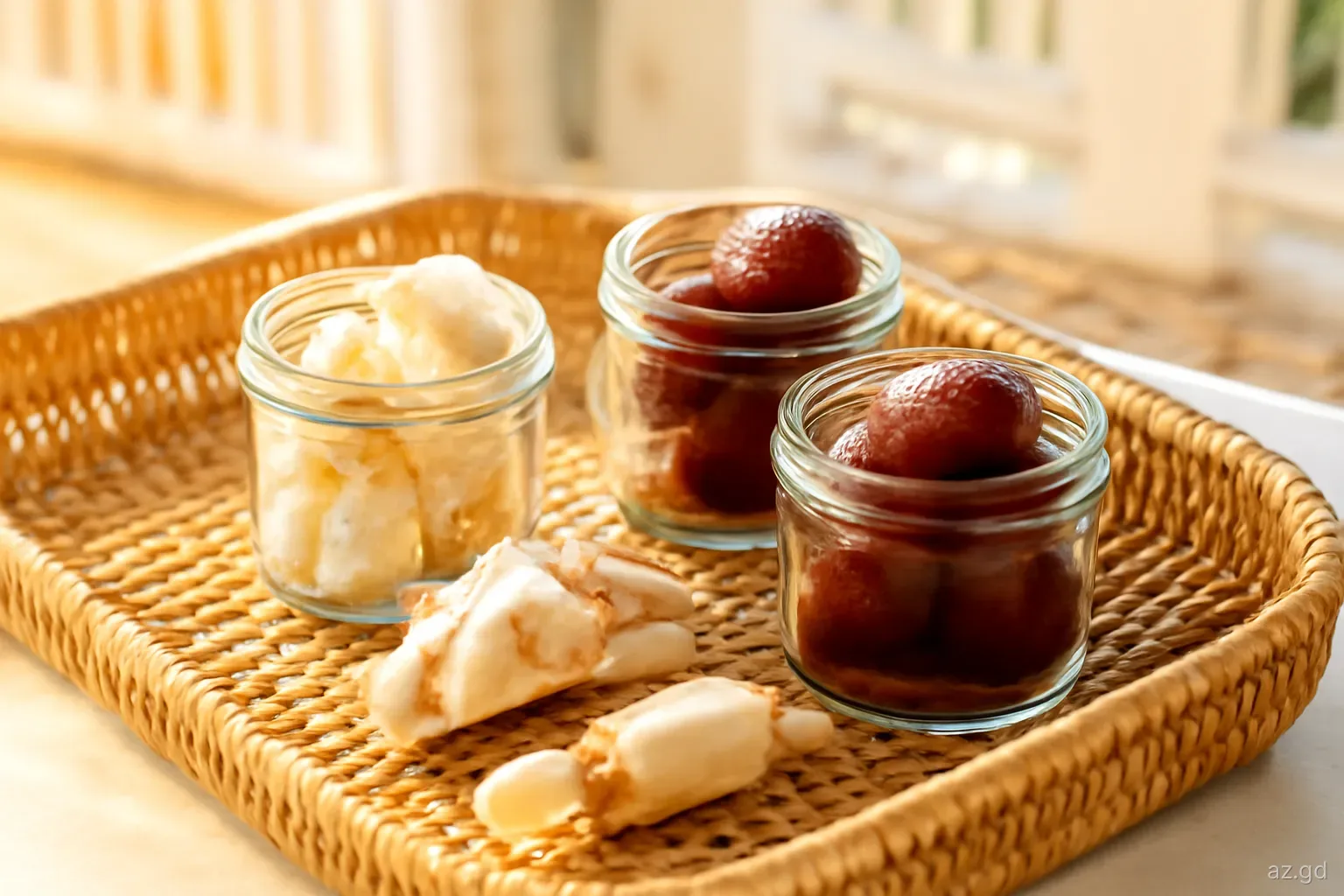
Black pudding, also called blood pudding, is a soft sausage made with pig's blood, rice and a generous amount of seasoning. Grenadian versions typically include chive, thyme, onion, garlic, hot pepper and sometimes other herbs and spices, giving a dark, savoury, slightly peppery filling. The mixture is stuffed into a cleaned casing and gently boiled or steamed.
Unlike the firm, sliced black pudding of Britain and Ireland, Grenadian pudding is soft and moist, almost spoonable. It is sold by the length or by the piece, cut from a long coil, and usually served warm. Some cooks make versions with less blood or with more rice and herbs, and the colour ranges from deep brown to nearly black.
Pudding is often bought with souse, the two being eaten side by side: the warm, rich pudding balanced by the cold, acidic souse.
Where and when to find them
Souse and pudding are informal foods, so you will not find them in many restaurants. Look for them in these places:
- Roadside stands and tables in villages and towns on Saturday mornings, often with a cooler box for the souse and a covered pot for the pudding.
- Rum shops and small snackettes, particularly in rural parishes, some of which sell souse on Fridays and Saturdays.
- Around Market Square in St George's and the markets in Grenville and other towns on Saturdays.
- Community events, fundraisers and sports days, where souse is commonly sold alongside other local food.
- Some supermarkets and delis sell packaged souse, but most Grenadians prefer it from a known village cook.
- Word of mouth. Locals know who makes the best souse in their area, and asking a taxi driver, guesthouse owner or shopkeeper "Who sells souse here on Saturday?" usually gets a precise answer, often with directions to a particular house or junction.
Making souse at home
Souse is straightforward to make for anyone self-catering, and supermarkets and butchers sell cleaned pig trotters and chicken feet. A typical home method:
- Clean the trotters or chicken feet thoroughly, scraping off any hair and trimming nails, then rinse with lime juice and water.
- Boil in salted water for one to two hours until tender but not falling apart. Chicken feet need much less time, often 30–45 minutes.
- Drain, rinse under cold water and cut into bite-sized pieces.
- Make the brine: plenty of fresh lime juice, cold water, salt, thinly sliced cucumber and onion, crushed garlic, chopped chive and culantro, and sliced hot pepper to taste.
- Combine the meat and brine, cover and refrigerate for at least an hour so the flavours penetrate. Taste and adjust lime and salt before serving cold.
- Eat within a day or two; souse is best fresh and the cucumber softens as it sits.
How to eat souse and pudding
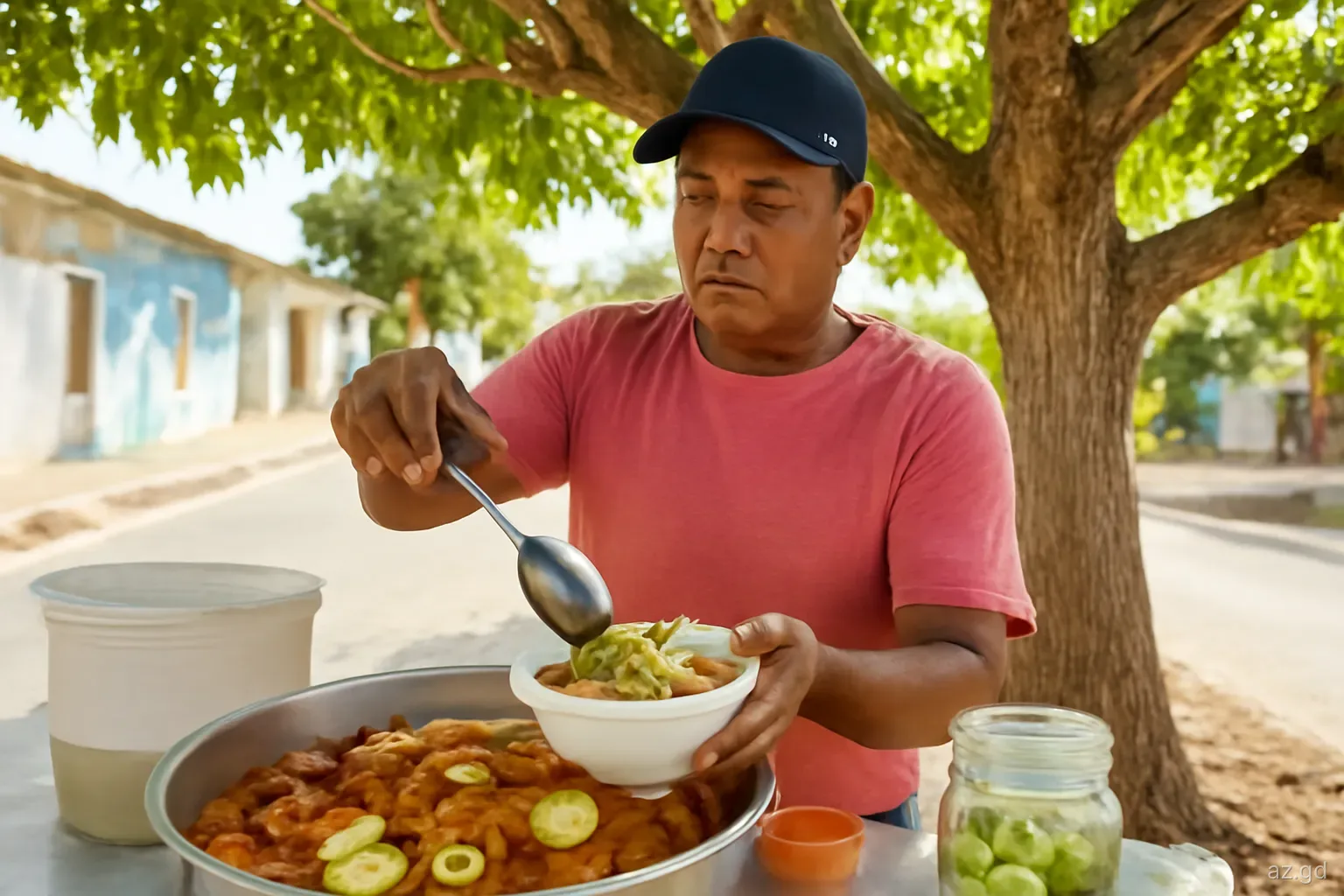
Souse is usually served in a bowl or a takeaway container with plenty of its liquid, sometimes with a spoon, sometimes just to be eaten with your fingers and a napkin. The trotter pieces have bones and gristle, so take your time. Pudding is served warm in a piece of paper or on the side of the bowl.
Many people eat the pair with a slice of bread or a bake to soak up the brine. A cold drink is the usual accompaniment, and in a rum shop that often means a beer or a soft drink. It is a casual meal, eaten standing at the roadside, sitting on a wall or on the steps of a shop.
A portion is not expensive: as a rough guide expect somewhere around EC$10–25 (US$4–9) for a bowl of souse or a good piece of pudding at a village stand, depending on size and the meat used. Prices vary and should be confirmed on the day. Small notes and coins make buying easier, since many vendors will not have change for large bills early in the morning.
What to check before you buy
As with any street food made from offal, a few precautions make sense. Most Grenadian souse sellers are careful, and the lime brine helps, but use judgement:
- Buy from busy vendors. High turnover means fresh food. A vendor with a steady queue of locals is a good sign.
- Check it is kept cold. Souse should be in a cooler or on ice, not sitting in the sun.
- Ask what meat it is. Pig foot, chicken foot or conch all appear; ask if you have dietary restrictions.
- Start with a little pepper. Souse can be very hot. Ask for "a little pepper" until you know the cook.
- Go early. The best souse is often gone by noon on a Saturday.
- Mind the bones. Trotter and chicken-foot souse contain many small bones; eat slowly and supervise children.
Frequently asked questions
What is souse made of in Grenada?
Traditional souse is made from boiled pig trotters, sometimes with ears or snout, soaked in a cold brine of lime juice, cucumber, onion, garlic, salt, herbs and hot pepper. Chicken feet, conch or cow heel are also used, depending on the cook.
Is black pudding the same as British black pudding?
Both are made with blood, but Grenadian black pudding is softer and moister, made with rice rather than oats or barley and seasoned with local herbs and hot pepper. It is usually served warm in pieces rather than sliced and fried.
Why do people eat souse on Saturdays?
Traditionally pigs were slaughtered late in the week so fresh pork was ready for Sunday. The feet, head and blood were turned into souse and pudding and eaten on Saturday. The custom has continued even though pork is now available every day.
Is souse safe for visitors?
Generally yes when bought from a busy, reputable vendor who keeps it cold. The lime brine is acidic, but freshness still matters. Avoid souse that has been left in the sun, and start with a small portion if you are not used to rich, offal-based food.
Can vegetarians find an alternative?
There is no direct vegetarian version, but cucumber souse, made with cucumber, lime, herbs and pepper, is sometimes sold or made at home. It gives a sense of the flavour without meat. Ask vendors whether they make it.