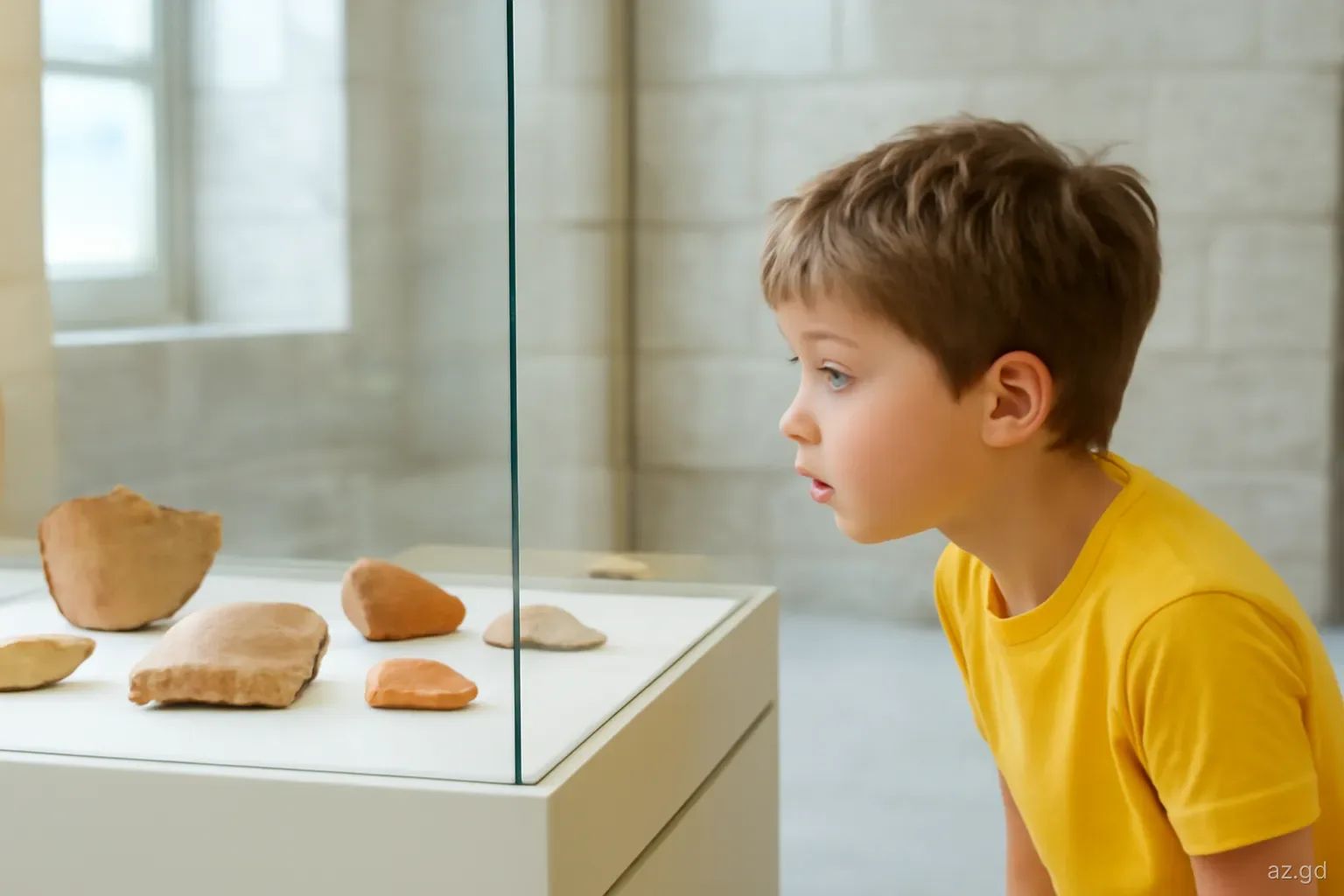
Grenada does not have a large, modern national museum of the kind found in Barbados or Martinique. What it has is a handful of small, often under-funded institutions in historic buildings, plus heritage displays on working estates. They will not fill a week, but they give context to everything else you see, from the petroglyphs to the forts, and they are good places to spend a rainy morning.
Visiting takes a little planning. Opening hours are short and can change without much notice, and both main museums have had long closures in recent years; the National Museum has been shut for long periods since 2020, so check it has reopened. This guide sets out what each one covers, who it suits, and what to check before you go.
Grenada National Museum, St George's
The National Museum occupies a building at the corner of Young Street and Monckton Street, a few minutes' walk uphill from the Carenage. The building itself is an exhibit: its oldest part is believed to date from French military barracks built in 1704, and it later served as a prison and then, for many decades, as a hotel before closing in the 1960s. Part of the complex was given over to a museum in 1976, with members of the island's historical society behind its founding.
Displays run roughly in chronological order. The Amerindian section holds pottery, tools and adornos, the small modelled heads once attached to vessels. Later rooms cover the French and British colonial periods, slavery and plantation life, the spice trade, and the twentieth century, including the revolution and 1983. One of the best-known objects is a marble bath said to have belonged to Empress Joséphine, Napoleon's first wife, who grew up on Martinique. Labels and layout are old-fashioned, but the collection rewards a slow look.
Staff are usually happy to answer questions and point out objects that are easy to miss, and school groups often visit on weekdays during term, which can make the rooms lively for an hour or so. The building's position on Young Street makes it an easy first stop on a walk that continues to Fort George and Church Street, and starting here gives the rest of the town much more meaning.
Carriacou Museum, Hillsborough
The Carriacou Museum stands on Paterson Street in Hillsborough, in a former cotton ginnery that operated until 1979. Founded in 1976, the museum moved through several temporary homes before settling in the ginnery in 1989. Its collection is broad for so small an island: Amerindian artefacts from Carriacou's many coastal sites, material from the French and British estates, and a section on the African heritage behind Big Drum, Saraka and other living traditions.
The museum has had a difficult few years. A termite infestation forced a closure in 2019, and Hurricane Beryl in July 2024 caused serious damage, with archives and artefacts affected. Restoration needs were estimated in 2025 at around EC$250,000. Before planning a visit, ask your guesthouse in Hillsborough or local contacts whether it has reopened and what is on display. If it is open, a donation on top of any fee directly helps a volunteer-supported institution recover.
Estate and industry heritage displays
Belmont Estate, St Patrick. A working estate with a history going back to the seventeenth century, where tours explain cocoa growing and processing and a small heritage museum covers the estate's past. It suits families and anyone who wants history with lunch and a garden.
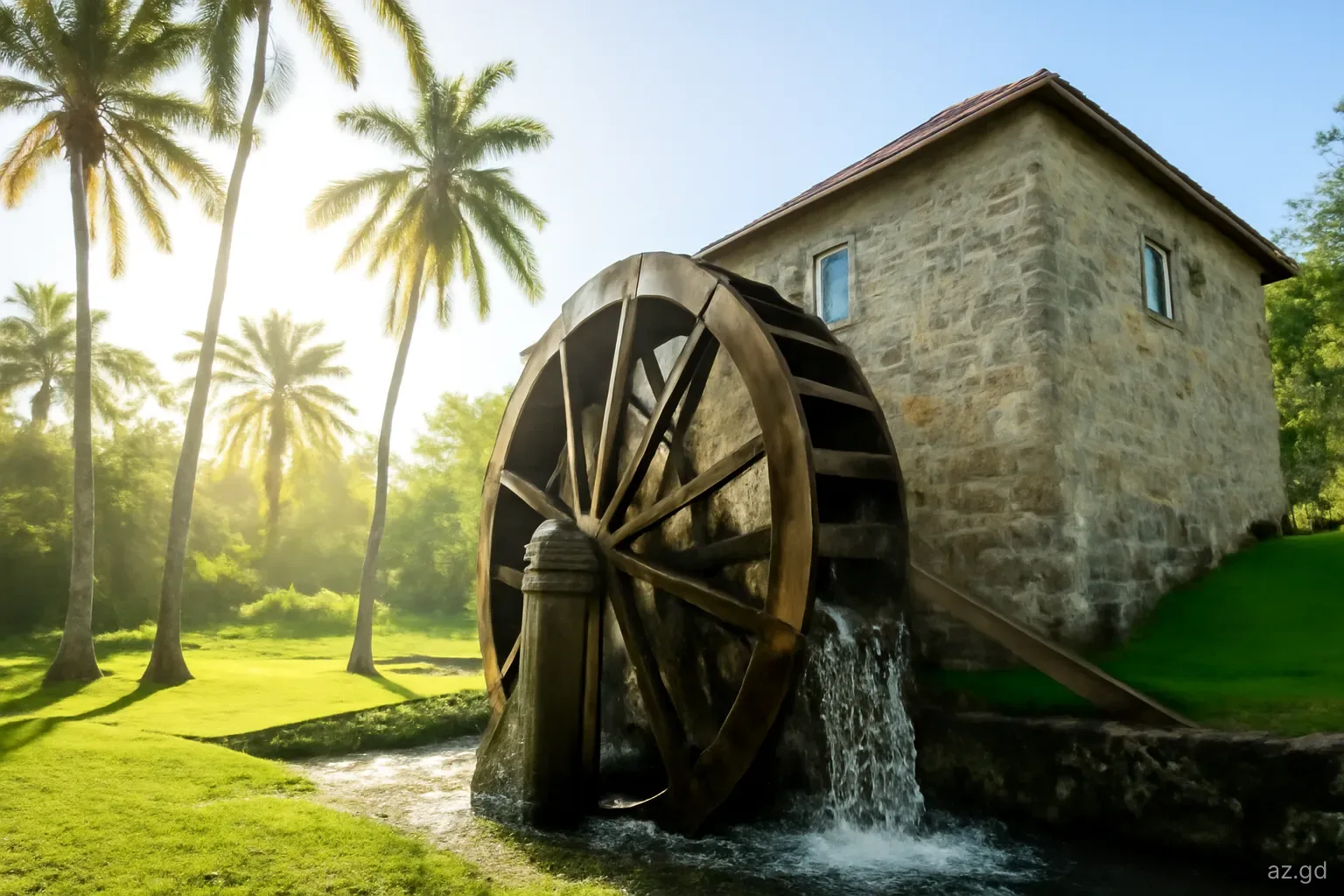
River Antoine, St Patrick. A rum distillery dating from 1785 that still crushes cane with a water wheel. It is industrial heritage rather than a museum, and that is the point: the processes on show have changed little in two centuries.
Spice processing. The nutmeg processing station at Gouyave has long offered short tours of the sorting and drying floors. Its operations and visiting arrangements have changed over the years, so confirm before going.
Leapers' Hill, Sauteurs. An interpretation centre about the Kalinago once operated beside the cliff. It has been closed, and the Grenada National Trust has said it aims to reopen it. The site itself can still be visited.
Which museum suits whom
With limited time, match the museum to your interests:
- First-time visitors with half a day in St George's: the National Museum (once it has reopened), combined with Fort George and the churches nearby.
- Families with younger children: Belmont Estate, where there is space to move, things to taste and a short guided walk.
- History readers interested in 1983: the National Museum's twentieth-century rooms, then the forts on Richmond Hill and in town.
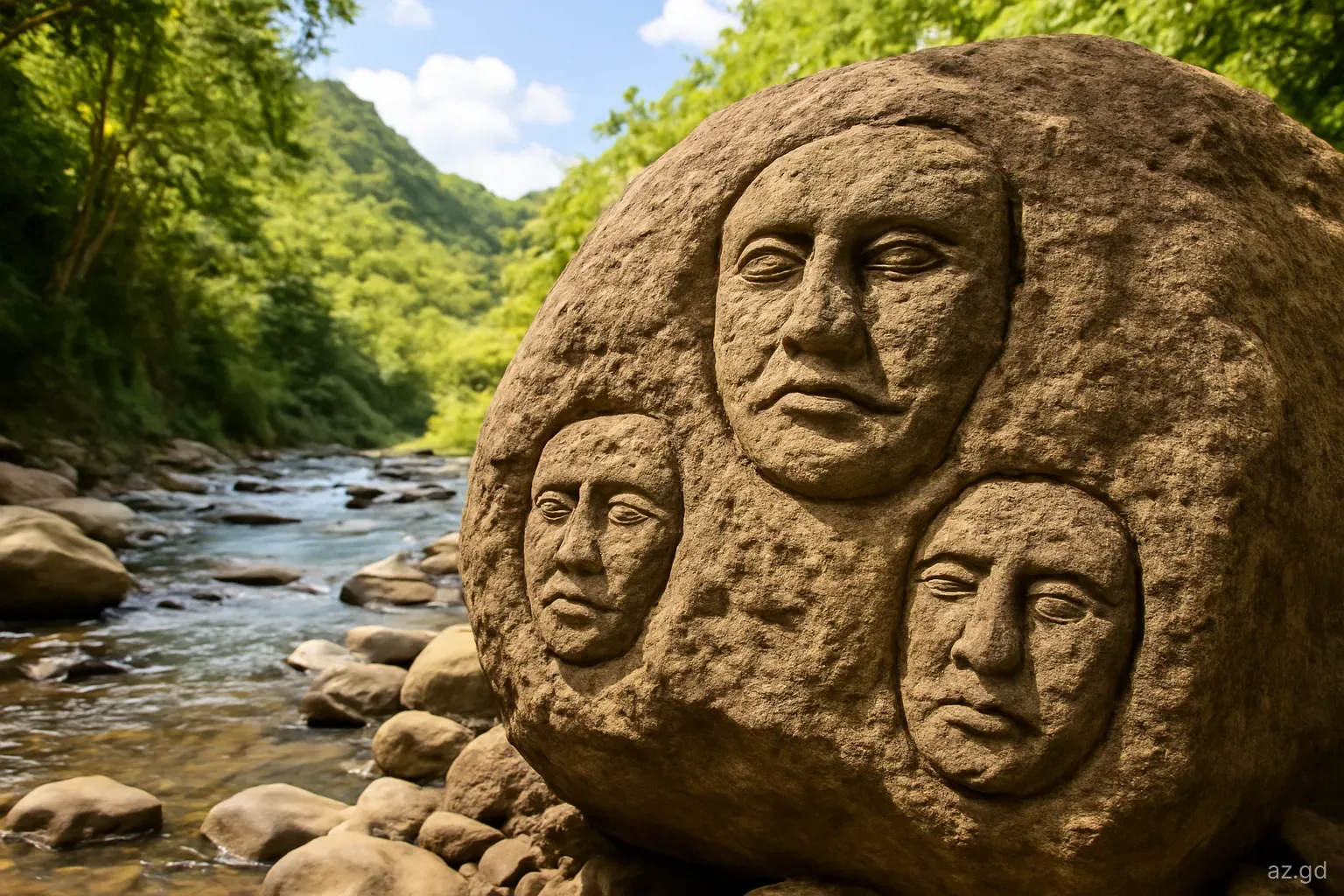
- Archaeology enthusiasts: the Amerindian collections in both main museums, followed by the petroglyph sites at Mt Rich and Duquesne Bay.
- Visitors staying on Carriacou: the Carriacou Museum if open, then the island's heritage sites with a local guide.
- Anyone interested in industrial history: River Antoine, which shows eighteenth-century technology in daily use.
Practical checklist before you go
Small museums need more planning than big ones. Run through these points first:
- Confirm opening hours on the day, by asking your accommodation, a taxi driver or the Grenada Tourism Authority. Weekday daytime openings are most common; Sundays and public holidays are usually closed.
- Carry cash in EC dollars. Entry fees at small museums are modest, typically a few US dollars, and card payment is not guaranteed.
- Avoid peak cruise hours in St George's if you want a quiet visit. Mornings before ships unload or mid-afternoon are calmer.
- Ask before photographing exhibits, especially documents and fragile objects. Flash is often not allowed.
- Allow 45 to 90 minutes at the National Museum; less at estate displays, unless you add a tour or lunch.
- Wear comfortable shoes: St George's streets are steep, and many heritage buildings have uneven floors and stairs.
Supporting Grenada's heritage institutions
Grenada's museums run on small budgets, and much of the work of cataloguing, conserving and opening the doors depends on dedicated staff and volunteers. The Grenada National Trust, a non-governmental body, campaigns for the protection of historic sites and buildings and has pushed for restoration at places such as Leapers' Hill. Membership, donations and simply visiting all help.
If you have historical photographs, documents or family records connected with Grenada, especially from the colonial era or the 1970s and 1980s, the National Museum and the Trust may be interested in copies. Families in the diaspora often hold material that no longer exists on the island, after decades of hurricanes, fires and damp destroyed so much. Contact the institutions before sending anything.
What the museums do not cover well
Visitors who arrive expecting comprehensive coverage are often surprised by the gaps. The story of indentured Indian workers, who began arriving in 1857, gets limited space, as do the Portuguese, Maltese and liberated African labourers of the same century. The twentieth-century labour movement, the rise of Eric Gairy and the road to independence in 1974 are covered more briefly than their importance deserves.
Carriacou and Petite Martinique's maritime history, from Windward's schooners to inter-island trading, is better understood by talking to people in Windward and Petite Martinique than through any display. Music, carnival and food culture appear only in passing. To fill these gaps, combine museum visits with the living heritage: a Big Drum performance on Carriacou, Indian Arrival Day events at Irwin's Bay in May, or a talk at one of the public lectures that local historians and the Grenada National Trust organise from time to time.
Frequently asked questions
Where is the Grenada National Museum?
At the corner of Young Street and Monckton Street in St George's, a short uphill walk from the Carenage. The building partly dates from French barracks built in 1704 and later served as a prison and a hotel.
How long does a visit to the Grenada National Museum take?
Most visitors spend 45 minutes to an hour and a half. It has been closed for long periods since 2020, so check it has reopened first. It is a small museum, but the Amerindian and colonial collections and the displays on the revolution reward a careful look.
Is the Carriacou Museum open?
It has faced closures, first for a termite infestation in 2019 and then after serious damage from Hurricane Beryl in July 2024. Ask locally in Hillsborough before planning your day around a visit.
Is Empress Joséphine's bath really in Grenada?
The National Museum displays a marble bath traditionally said to have belonged to Empress Joséphine, who grew up in Martinique. Treat the attribution as tradition; the museum can explain what is known about how it reached Grenada.
Are Grenada's museums good for children?
Older children with an interest in history usually enjoy the Amerindian artefacts and forts. Younger children tend to prefer estate visits such as Belmont, where there is outdoor space, tasting and a guided walk.
Do Grenadian museums accept card payments?
Not reliably. Entry fees are modest, so carry EC dollars in small notes. Larger estates with restaurants and shops are more likely to take cards, but it is wise to have cash anyway.