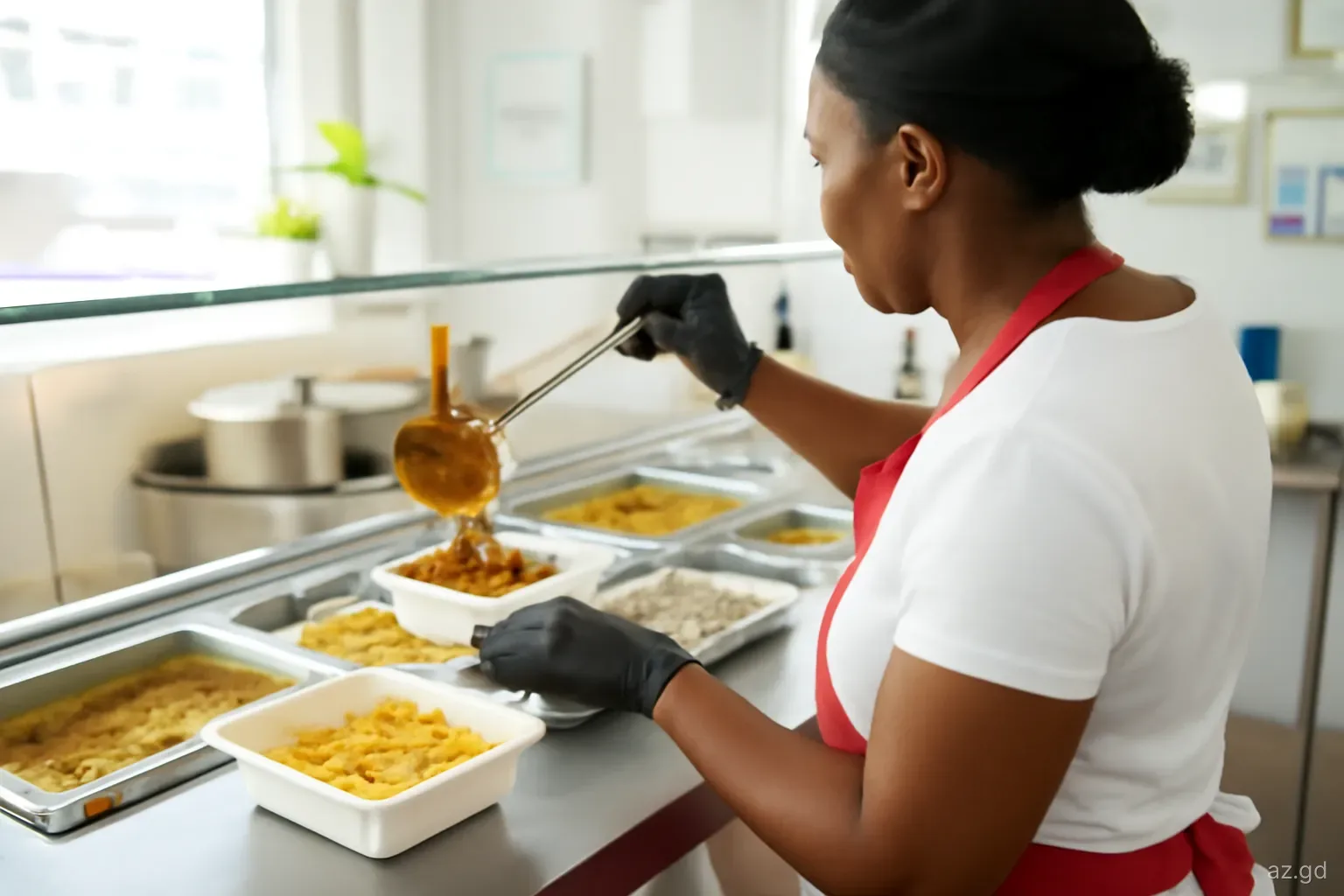
Some of the best food in Grenada never sees a restaurant. On Friday and Saturday nights, oil-drum grills appear at roadside spots across the island, sending up smoke from chicken and pork. Pots of corn soup simmer at junctions and outside rum shops. On weekday mornings, vendors sell bakes, saltfish and fish cakes to people heading to work, and roti shops do steady trade at lunch.
Street food here is informal, cheap and mostly cash only, and it follows a rhythm that visitors can easily miss if they stay near the hotels. This guide explains what to look for, when and where vendors set up, roughly what to expect to pay and how to choose a stall you can trust.
The main street foods and when they appear
Roadside barbecue. The classic weekend street food: chicken legs, wings and sometimes pork, marinated and cooked over charcoal on grills made from split oil drums, finished with barbecue sauce and served with bread, fries or a scoop of rice. It is mostly an evening affair on Fridays and Saturdays, and the smell carries a long way.
Corn soup. A thick, filling soup of split peas, corn on the cob, dumplings and provisions, often with pieces of meat or pig tail, sold by the cup or bowl. It is a late-night favourite, especially after a party or a fete, and a fixture at Carnival time.
Roti. Flatbread wrapped around curried chicken, beef, goat, shrimp or vegetables with potato and channa (chickpeas). Grenada's roti owes much to Indian indentured labourers who arrived in the nineteenth century, and roti shops are a lunchtime staple in towns.
Souse. Pickled pig trotters or chicken feet in a cold, sharp broth of lime, cucumber, onion and pepper, traditionally a Saturday morning food and sold in rum shops and from home kitchens.
Bakes, saltfish and fish cakes. Fried dough bakes, often eaten with saltfish souse, fried fish or cheese, and spiced fish cakes, are breakfast and snack foods sold early in the day.
Snacks and sweets. Boiled or roasted corn, coconut drops, tamarind balls, sugar cake, nutmeg-flavoured treats and home-made ice cream are sold by vendors in markets, outside schools and at events.
Where vendors set up
Street food vendors gather where people pass: busy junctions, bus stops, outside rum shops and supermarkets, and along main roads at the edges of towns. In St George's, the area around Market Square and the Melville Street bus terminal is the place for daytime snacks, fruit, drinks and lunch boxes, especially on Saturday mornings when the market is at its busiest. Grenville's market area plays the same role on the east coast. Around Grand Anse, vendors sell coconut water and snacks by day, and barbecue grills appear on weekend nights along the main roads behind the beach.
Many vendors are regulars at the same spot on the same nights, building a following by word of mouth, so asking a taxi driver or a Grenadian colleague where they buy barbecue on a Saturday will get you a better answer than any listing. Events are the other big draw: Carnival (Spicemas) in August, the Carriacou Regatta, sports days, church fairs, cricket at the National Stadium and village feasts all bring rows of food vendors with them.
What to expect to pay
Street food is the cheapest way to eat well in Grenada. Prices change and vary by vendor and area, so treat these as rough guides in EC dollars rather than fixed figures.
- A barbecue chicken portion with bread or fries: usually in the range of a modest lunch, often roughly EC$15 to EC$30 depending on size and sides.
- A cup or bowl of corn soup: among the cheapest hot meals available, typically under EC$15.
- A roti: generally EC$15 to EC$30 depending on the filling, with shrimp and goat at the top end.
- Bakes, fish cakes and snacks: a few dollars each.
- A green coconut from a roadside vendor: a few EC dollars.
- Tourist areas and events tend to charge more than village stalls; neither is a rip-off, but it explains the difference you will see.
Choosing a stall and eating safely
Street food in Grenada is generally safe when you follow the habits locals use without thinking.
- Pick the busy stall. A queue of local customers is the best sign of fresh food and fast turnover.
- Watch it being cooked. Barbecue should come straight off the grill, hot all the way through; ask for a piece that has just been turned if a tray has been sitting.
- Prefer cooked to raw. Hot soups, grilled meat and freshly fried food are lower risk than raw salads or garnishes that have been sitting in the sun, especially after storms or water interruptions.
- Ask about the pepper. Grenadian hot sauce is often made with fierce local peppers. Ask for sauce on the side until you know your limit.
- Bring cash and small notes, and expect to wait; good barbecue takes time.
- Carry hand sanitiser or wet wipes, as there is not always water for washing hands.
Etiquette and things nobody tells you
Street food stalls are not fast food. Vendors often cook to order and serve people in the order they arrived, which is not always obvious when there is no formal queue. Say good evening, ask who is last in line and wait your turn; customers who push forward are noticed. Ordering for a large group at once can hold everyone up, so warn the vendor or split the order.
Food is usually handed over in a foil container, a styrofoam box or a paper bag, and most people eat standing up, sitting on a wall or in the car. Take your rubbish with you or use the vendor's bin. Some vendors run out early on busy nights; if a favourite stall has sold out, that is a mark of its quality rather than bad luck. And remember that many vendors depend on a few nights' trade for a significant part of their income; paying the asking price without haggling is normal.
Grenadian pepper sauce deserves its own warning. Many vendors make their own from local hot peppers, vinegar, mustard and sometimes papaya, and the strength varies from pleasantly warm to punishing. It is offered as a matter of course, and a generous squirt can overwhelm a plate. Ask for "a little pepper" or for sauce on the side, and taste before adding more. If you overdo it, bread or a sweet drink helps more than water.
Combining street food with the rest of your trip
Visitors staying in Grand Anse can easily build street food into an ordinary week: a Saturday morning trip to Market Square in St George's for snacks and fruit, a roti for lunch on a day out, and a Friday or Saturday night barbecue stop on the way back from a beach. Those touring the island can eat at roadside stalls in Grenville or along the west coast instead of looking for a restaurant.
If you are in Grenada for Carnival in August, street food is part of the experience: vendors line the routes and the J'ouvert and parade areas, and corn soup at dawn is a tradition for many revellers. In Carriacou, food stalls appear around Hillsborough and Tyrrel Bay at weekends and during Regatta and other festivals. Wherever you are, the same rule applies: follow the locals and the smoke.
Frequently asked questions
What is the most popular street food in Grenada?
Weekend roadside barbecue chicken is the most visible, with grills set up on Friday and Saturday nights across the island. Corn soup, roti, souse, bakes with saltfish and fish cakes are also everyday favourites, each with its own time of day or week.
Is street food safe to eat in Grenada?
Generally yes, if you choose busy stalls with a steady stream of local customers, eat food that is cooked hot in front of you and are cautious with raw salads that have been sitting out. Taking hand sanitiser and avoiding very hot pepper sauce until you know your limit also helps.
When is roadside barbecue available in Grenada?
Mostly on Friday and Saturday evenings, when vendors set up grills at junctions, outside rum shops and along main roads. Some sell on other nights, especially around events and holidays. Ask a taxi driver or local friend where the good barbecue is on a given weekend.
Do street food vendors in Grenada take cards?
Almost never. Street food is a cash business, and you should carry Eastern Caribbean dollars in small notes and coins. Some vendors near tourist areas accept US dollars, but change will be in EC dollars and the rate may be rounded.
What is corn soup in Grenada?
Corn soup is a thick, hearty soup of split peas, pieces of corn on the cob, flour dumplings and provisions, often with meat, seasoned with herbs and pepper. It is a popular late-night and Carnival food, sold by the cup from roadside pots and at fetes.