The cheapest good meal in Grenada is lunch at a cookshop. Across St George's, Grenville and the bigger villages, small kitchens cook a few big pots each morning and sell plates and takeaway boxes from late morning until the food runs out. A generous plate of stewed chicken or fish with rice and peas, macaroni pie, provisions and salad costs a fraction of a restaurant meal and is what many Grenadians eat in the middle of a working day.
Eating this way takes a little local knowledge: when to turn up, how to order, what the words on the counter mean and how to fill in the rest of the day cheaply. This guide covers all of it, with a rough daily budget for travellers who want to eat well without spending hotel-restaurant money.
How cookshops work
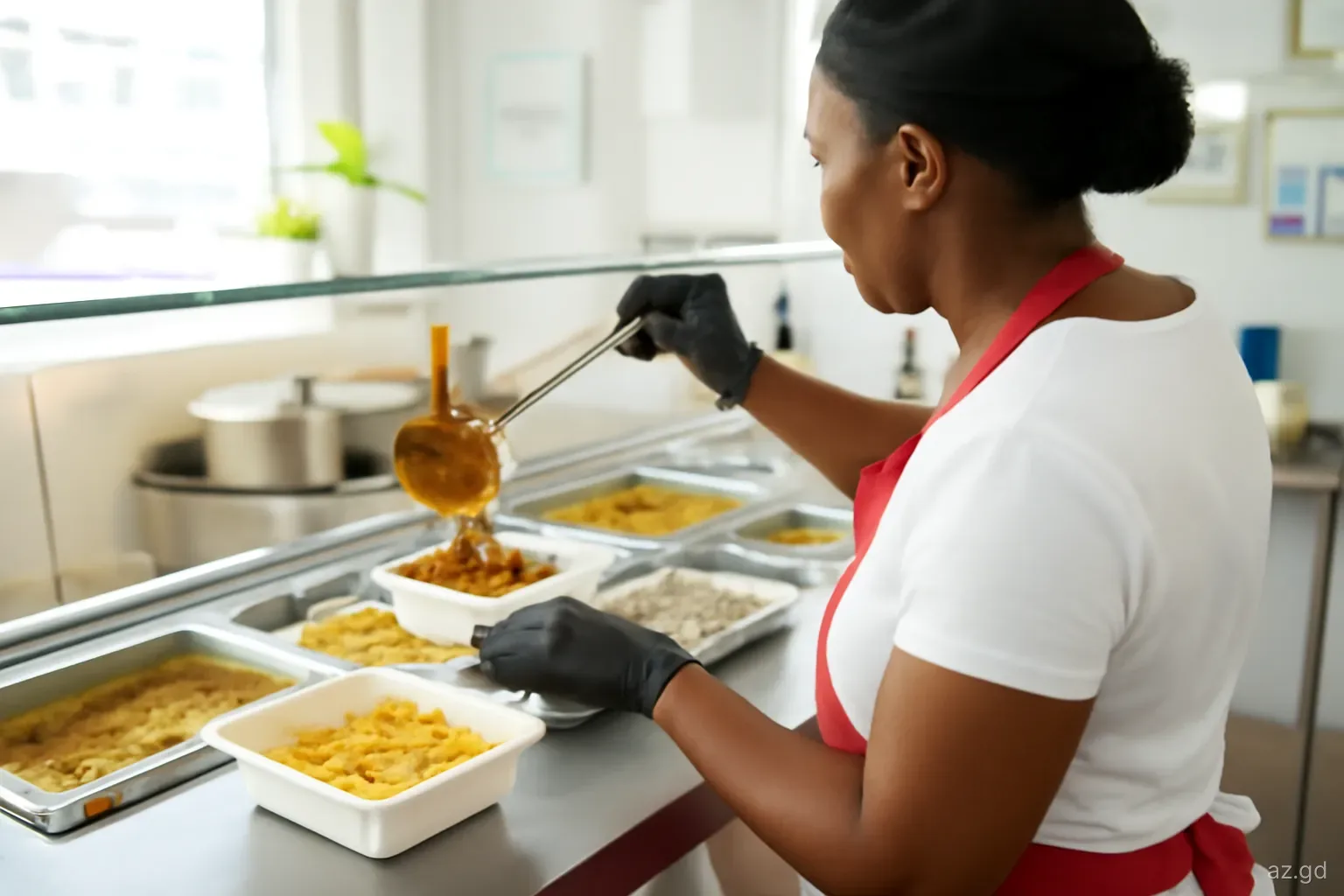
A cookshop is a small, often family-run kitchen with a counter, sometimes a few tables, and a short list of what was cooked that day. There is rarely a printed list; you look at what is in the pots or ask, "What you have today?" The main dishes change daily but usually include a stewed or baked chicken, a fish dish, and often pork, beef or lamb, with a vegetarian option at some places.
Lunch is the main meal of the day for many Grenadians, and cookshops are geared to it. Food is usually ready from around 11 or 11.30 in the morning, the rush comes between noon and 1.30, and many places close once the pots are empty, which can be by 2 or 3 in the afternoon. Turn up late and the best dishes may be gone. A few cookshops also do breakfast, and some open in the evening, but most are lunch businesses.
You can eat in if there are tables, but most customers take food away in a foil or styrofoam box. Asking for a "box" or a "lunch" is enough; the server will ask which meat and fill the rest with the day's sides. Portions are large, and many visitors find that one box covers lunch and an evening snack. If you want a smaller portion or fewer starches, say so when ordering; most cooks will adjust.
What goes into a Grenadian lunch plate
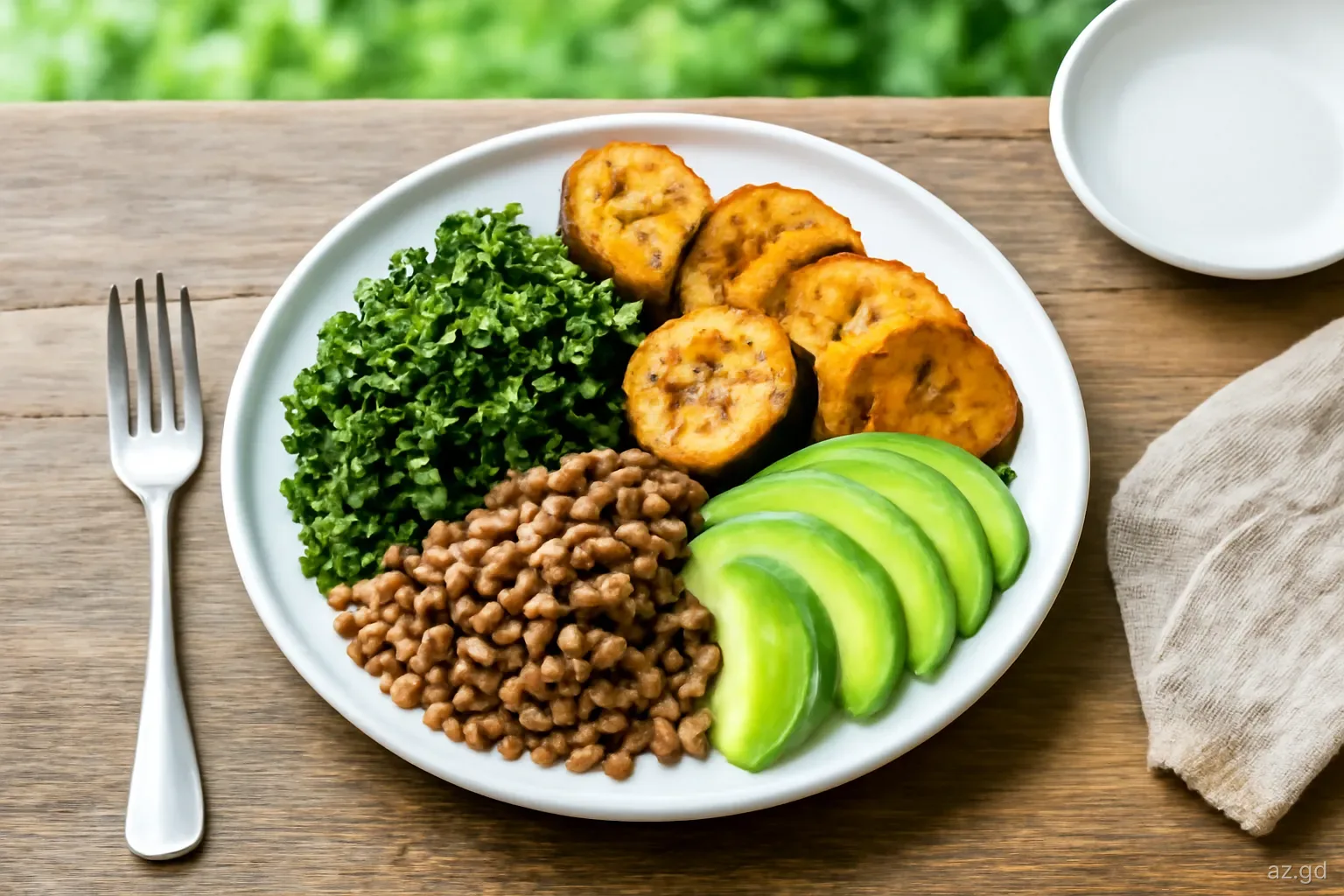
A typical plate is built from a main and several sides, and portions are generous. These are the components you will see most often.
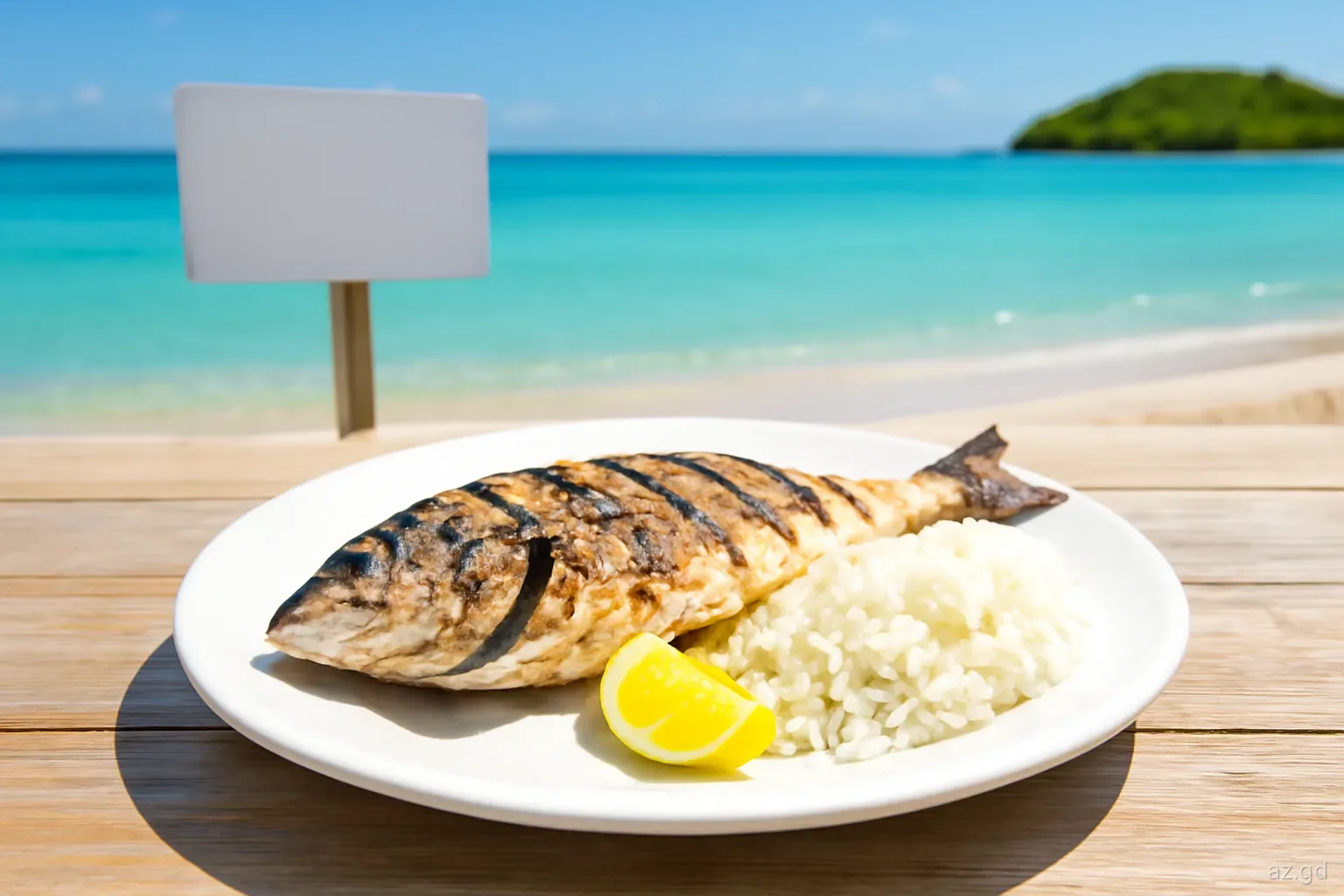
- The main: stewed chicken, baked chicken, stewed or fried fish, curry goat or chicken, stewed pork, oxtail at some places, or lentils and vegetables.
- Rice and peas: rice cooked with pigeon peas or red beans, often in coconut milk; plain rice or fried rice may also be offered.
- Macaroni pie: baked macaroni and cheese, firm enough to cut in squares, a fixture of Caribbean lunches.
- Provisions: boiled root vegetables and starchy staples such as dasheen, yam, sweet potato, green fig (green banana) and breadfruit.
- Callaloo or other greens, and sometimes a scoop of potato salad or coleslaw.
- Plantain, fried ripe plantain at some places.
- A drink: fresh juice of the day, a soft drink or water, often sold separately.
Bakeries, snackettes and supermarkets
Bakeries. Every town has bakeries selling fresh bread, rolls, buns and pastries in the morning: salt bread, sweet bread, coconut turnovers, currant rolls, cheese rolls and savoury patties. A bag of rolls and a piece of cheese or a tin of sardines makes a cheap picnic lunch for a beach day.
Snackettes. Small snack bars sell drinks, sandwiches, patties, fried chicken, fries and sometimes a lunch special. They are useful for a quick bite outside cookshop hours.
Supermarket hot food. Some larger supermarkets in Grand Anse and St George's have deli or hot food counters with roast chicken and prepared sides, as well as ready-made sandwiches. Prices are usually between a cookshop and a restaurant.
Markets and fruit. Market Square in St George's and parish markets sell bananas, mangoes, papaya, pineapple, avocado (called zaboca), golden apples and more, depending on season. Fruit is a cheap and healthy snack, and vendors will often cut it for you.
Self-catering. If your accommodation has a kitchen, combining a supermarket shop with fresh market produce and occasional cookshop lunches is the cheapest way to eat in Grenada. Imported foods are expensive; local produce is good value.
A sample daily food budget
Prices change and vary by area, so these are rough figures in EC dollars for a frugal but well-fed day eating local food. Hotel areas cost more.
- Breakfast from a bakery or snackette: a couple of rolls or pastries and a juice or coffee, often around EC$10 to EC$20.
- Lunch at a cookshop: a full box or plate, usually around EC$20 to EC$35, with a fresh juice for a few dollars more.
- Snack: a green coconut or fruit from a market, a few dollars.
- Dinner: a roti, a barbecue plate from a weekend roadside stall or a light meal at a local bar, often around EC$20 to EC$40.
- Drinks: water and soft drinks are cheapest from supermarkets; a beer in a rum shop costs far less than at a hotel bar.
- Total: roughly EC$60 to EC$110 a day (about US$22 to US$41) is a realistic range for eating local, though it can rise with drinks and restaurant meals.
Finding and ordering at a cookshop
Cookshops rarely advertise to visitors, so finding the good ones takes a different approach.
- Ask a local. Taxi drivers, bus conductors, shop staff and guesthouse hosts all have a favourite lunch spot, and they are usually happy to share it.
- Follow the lunch crowd. Between noon and 1.30, a queue of office workers and builders outside a small doorway is a strong recommendation.
- Arrive early. Getting there before 12.30 gives you the full choice; by 2 pm, some dishes or the whole kitchen may be finished.
- Ask what is cooking, choose your main, and say if there is anything you do not want in the sides.
- Ask the price before ordering if it is not displayed. It is normal and nobody minds.
- Pay in cash, in EC dollars, and take your box to eat in a park, on the Carenage waterfront or back at the beach.
Mistakes that cost budget travellers money
The biggest is eating every meal in the hotel area. Prices along Grand Anse and the resort strip reflect rents and tourist demand; the same money buys two or three generous lunches in town. A route bus ride into St George's for lunch costs very little and is an easy habit to adopt.
The second is buying imported food in supermarkets. Cheese, cereal, meat and branded snacks from North America and Europe carry shipping costs and duty. Local eggs, fruit, vegetables, bread, fish and chicken are better value. Bottled water bought by the gallon is much cheaper than single bottles from beach vendors.
The third is drinking expensively. A daily cocktail at a hotel bar can cost more than the rest of your food. Buy beer and rum at supermarkets or drink at local bars, and save resort bars for a sunset treat. Finally, check bills at sit-down places: VAT and service charges can add around a quarter to listed prices, which matters more on a tight budget.
Frequently asked questions
What is the cheapest way to eat in Grenada?
Lunch at a local cookshop is the best value: a full plate or takeaway box of a main with rice and peas, macaroni pie, provisions and salad costs a fraction of a restaurant meal. Combine that with bakery breakfasts, market fruit and self-catering to keep daily costs low.
What time do cookshops open in Grenada?
Most cookshops are lunch businesses, with food ready from around 11 or 11.30 in the morning and the busiest period from noon to 1.30. Many close once the food has sold out, sometimes by 2 or 3 pm. A few serve breakfast or open in the evening.
How much does a local lunch cost in Grenada?
A full cookshop lunch box usually costs somewhere around EC$20 to EC$35, depending on the main dish and the area, with juice extra. Prices change over time and are higher in tourist areas, so ask before ordering if prices are not displayed.
What is a lunch box in Grenada?
A lunch box is a takeaway portion of the day's cooked food, packed in a foil or styrofoam container: usually a choice of meat or fish with rice and peas, macaroni pie, provisions and salad. It is how many Grenadians buy lunch on working days.
Is it cheaper to self-cater in Grenada?
Usually, if you buy local produce. Fresh fruit, vegetables, bread, eggs, fish and chicken are reasonably priced, while imported brands are expensive because of shipping and duty. Mixing self-catering with occasional cookshop lunches gives the best balance of cost and variety.