Grenada grows an extraordinary range of vegetables, fruit, roots and pulses, and Rastafarian Ital cooking has a long history on the island, so plant-based eating is more achievable than visitors often expect. At the same time, many traditional dishes that look vegetarian are not: callaloo soup, peas and rice and oil down are frequently cooked with salted meat or meat stock, and the person serving may not think to mention it.
Food allergies need similar care. Shellfish, peanuts, dairy and gluten turn up in places you might not expect, and labelling at small businesses is limited. This guide explains where hidden ingredients hide, what to order, how to communicate your needs clearly and what to do if something goes wrong.
Ital food and plant-based traditions
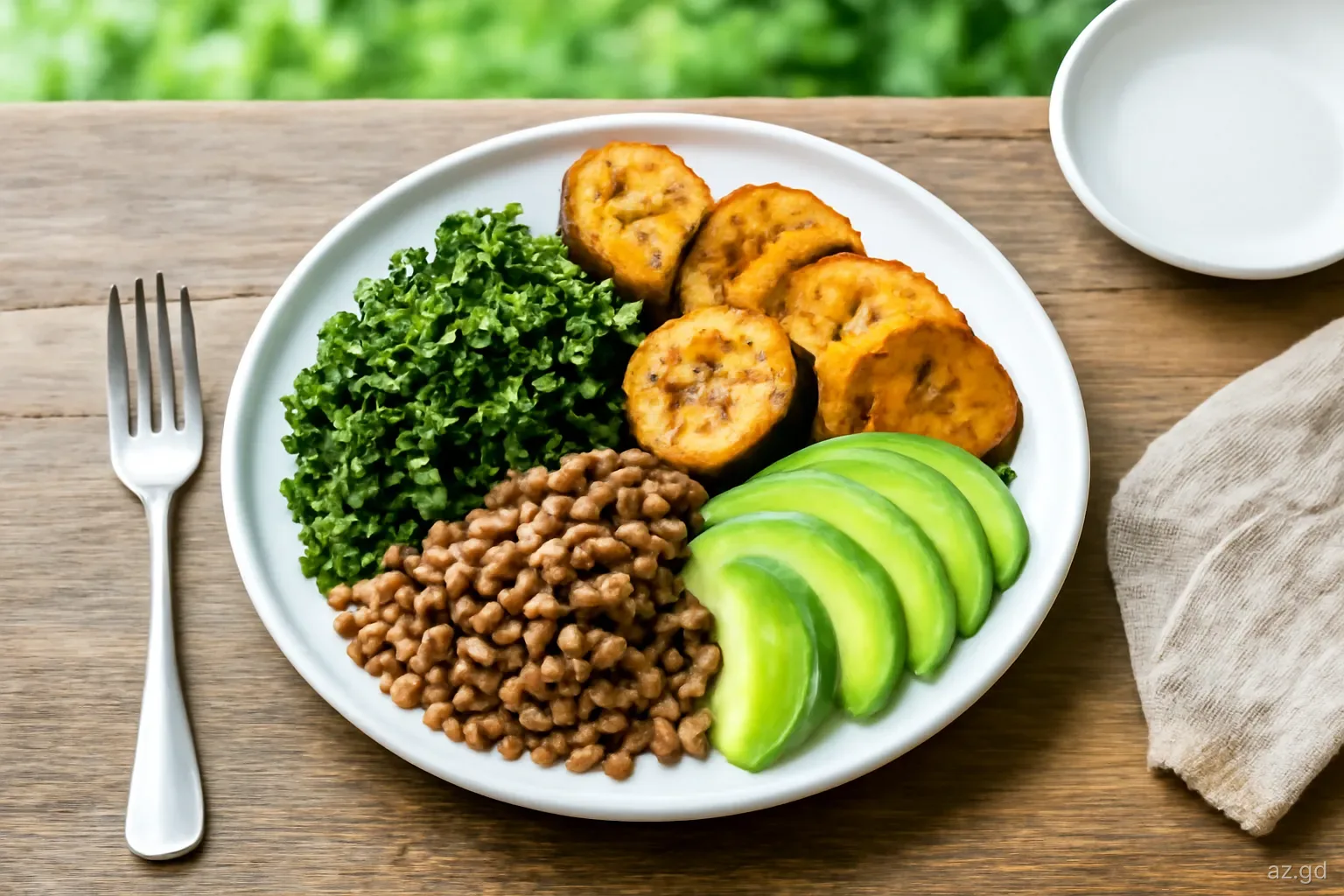
Ital, from the Rastafarian word for vital, describes food that is natural and unprocessed, typically vegan, and traditionally cooked without salt or with minimal salt. Ital cooks make rich stews from lentils, red beans and pigeon peas with coconut milk, ground provisions, pumpkin, callaloo and herbs, often seasoned with thyme, chive, garlic, ginger and local peppers. Ital restaurants and vendors operate in and around St George's and in other parts of the island, though they tend to be small, change location and are found by word of mouth rather than advertising.
Beyond Ital, Grenada's everyday diet includes plenty that is naturally plant-based: provisions such as dasheen, yam, sweet potato and breadfruit; plantain; rice and beans; vegetable roti with potato and channa; fresh fruit; and fresh juices. With a little care, vegetarians eat well, and vegans can manage comfortably once they know which dishes to question.
Dishes that often contain hidden meat or fish
Callaloo soup. Made from the leaves of the dasheen plant, it looks entirely green, but it is often cooked with salted pig tail, salt beef, crab or meat stock. Ask how it was made.
Oil down. Grenada's national dish of breadfruit, provisions and dumplings cooked in coconut milk with callaloo traditionally includes salted meat and often chicken or fish. Vegetarian versions exist but must be requested or made specially.
Peas, beans and rice. Rice and peas, stewed peas and pea soup are sometimes flavoured with pig tail, salt beef or chicken stock.
Vegetable dishes and soups. Pumpkin soup, corn soup and vegetable stews may be made with chicken or beef stock, and stock cubes containing meat are widely used.
Salads and sides. Coleslaw and potato salad contain mayonnaise and sometimes egg; macaroni pie contains cheese, milk and egg.
Fish in unexpected places. Saltfish appears in breakfast dishes and fritters, and some sauces or seasonings may include fish.
How to ask, and get a useful answer
In small kitchens, asking the right question matters more than writing it on a card. Grenadians are generally helpful, but "vegetarian" can be understood loosely.
- Be specific. Instead of asking whether a dish is vegetarian, ask: "Is there any meat, chicken, fish or meat stock in it?" For vegans, add milk, butter, cheese and egg.
- Ask how it was cooked, not just what is in it, because stock and salted meat are cooking ingredients rather than visible ones.
- Ask if something can be made specially. Many cooks will prepare a vegetable plate, steamed provisions or a lentil dish if you ask early, especially at quieter times.
- Tell your hotel or guesthouse in advance. Kitchens that know ahead can plan, and some resorts are well practised at catering for dietary needs.
- Choose places with turnover. Busy cookshops with a vegetable option and Ital vendors are often better than restaurants with a token vegetarian pasta.
- Self-cater some meals. Markets and supermarkets make it easy to cook plant-based food with excellent local produce.
Allergies: where the risks lie
Shellfish. Shrimp, lobster, crab and lambi (conch) are common, and grills, fryers and pots are often shared. If you have a serious shellfish allergy, say so firmly and ask whether food is cooked in shared oil or on shared surfaces.
Peanuts and tree nuts. Peanut punch, peanut butter, nut-based sauces and sweets are common, and peanuts are popular as snacks. Nutmeg, despite its name, is botanically a seed rather than a tree nut and is generally tolerated by people with nut allergies, but anyone with a severe allergy should check with their doctor.
Dairy. Sea moss drinks, punches, macaroni pie, cakes and many sweets contain milk or condensed milk. Coconut milk is widely used in savoury cooking, which helps, but butter and cheese appear often.
Gluten. Bakes, roti skins, dumplings, bread and many fried batters contain wheat. Rice, provisions, plantain and many stews are naturally gluten-free, but cross-contact is likely in small kitchens, and specialist gluten-free products are limited outside supermarkets.
Hot pepper. Not an allergy, but a frequent source of distress. Ask for food without pepper and sauce on the side.
If something goes wrong
Anyone with a severe allergy should travel with at least two adrenaline auto-injectors, antihistamines and a written allergy plan, and should not rely on finding replacements locally, as availability can be limited. Make sure travel companions know how to use the auto-injector and where it is kept, and carry it on beach days and boat trips as well as to restaurants.
In an emergency, call 911 for an ambulance. The main public hospital is the General Hospital in St George's; there are also smaller hospitals at Princess Alice in St Andrew's and Princess Royal in Carriacou, and private clinics and doctors in the south of the island. Response times can be long in rural areas and on the sister islands, which is another reason to carry your own medication. Travel insurance that covers medical evacuation is strongly recommended.
Other dietary needs
A few further points for travellers with specific requirements.
- Halal and kosher food is limited. Grenada has small Muslim and Jewish communities, and certified products are hard to find outside a few supermarket items; self-catering and seafood or vegetarian dishes are the practical options.
- Pescatarians eat very well, with fresh fish available almost everywhere, though check soups and sides for meat stock.
- Low-sugar diets need care with juices, punches and sweet drinks, which are usually heavily sweetened; ask for less sugar or choose coconut water.
- Low-salt diets fit Ital cooking well, but salted meats and fish are common elsewhere.
- International options such as Indian, Chinese and Middle Eastern restaurants exist in the south-west, helped by St George's University's international community, and often have clearly vegetarian dishes.
- Supermarkets in Grand Anse and St George's stock plant milks, tofu, gluten-free pasta and similar products, though choice varies and prices are high.
Useful food words on Grenadian menus
Knowing a few local terms makes it easier to spot what will suit you.
- Provisions or ground provisions: boiled root and starchy vegetables such as dasheen, yam, sweet potato, eddoes and green fig. Usually plant-based, but check what they were boiled with.
- Green fig: green (unripe) banana, boiled as a starch, not a fig.
- Zaboca: avocado, plentiful in season and a good source of fat for vegans.
- Christophene: chayote squash, used in stews, gratins and salads.
- Channa: chickpeas, common in roti fillings and curries.
- Saltfish: salted cod; salt meat or pig tail: salted pork used to flavour soups and stews.
- Lambi: conch, a shellfish, relevant for anyone with a shellfish allergy.
- Bakes: fried or baked wheat dough, containing gluten and sometimes milk.
Frequently asked questions
Is it easy to be vegetarian in Grenada?
Reasonably easy, with care. Provisions, rice and beans, vegetable roti, Ital dishes and fresh fruit are widely available. The main pitfall is hidden meat: callaloo soup, oil down and peas dishes are often cooked with salted meat or meat stock, so always ask how a dish was made.
What is Ital food?
Ital is the Rastafarian approach to eating natural, unprocessed food, usually vegan and traditionally with little or no salt. Typical dishes include stews of lentils, beans and peas with coconut milk, provisions, pumpkin and callaloo. Ital vendors and small restaurants operate in Grenada, often found by word of mouth.
Is callaloo soup vegetarian?
Not always. Although made from green dasheen leaves, callaloo soup is often cooked with salted pig tail, salt beef, crab or meat stock. Some cooks make vegetarian versions, but you need to ask specifically whether any meat, fish or stock was used.
Can people with nut allergies eat nutmeg?
Nutmeg is botanically a seed, not a tree nut, and is generally tolerated by people with tree nut allergies. However, individual reactions vary, and peanuts are common in Grenadian drinks and snacks. Anyone with a severe allergy should confirm with their own doctor before travelling.
What should you do in an allergy emergency in Grenada?
Use your adrenaline auto-injector immediately if prescribed, and call 911 for an ambulance. The General Hospital in St George's is the main public hospital. Response times can be long in rural areas and on Carriacou, so carry two auto-injectors and have travel insurance with medical cover.