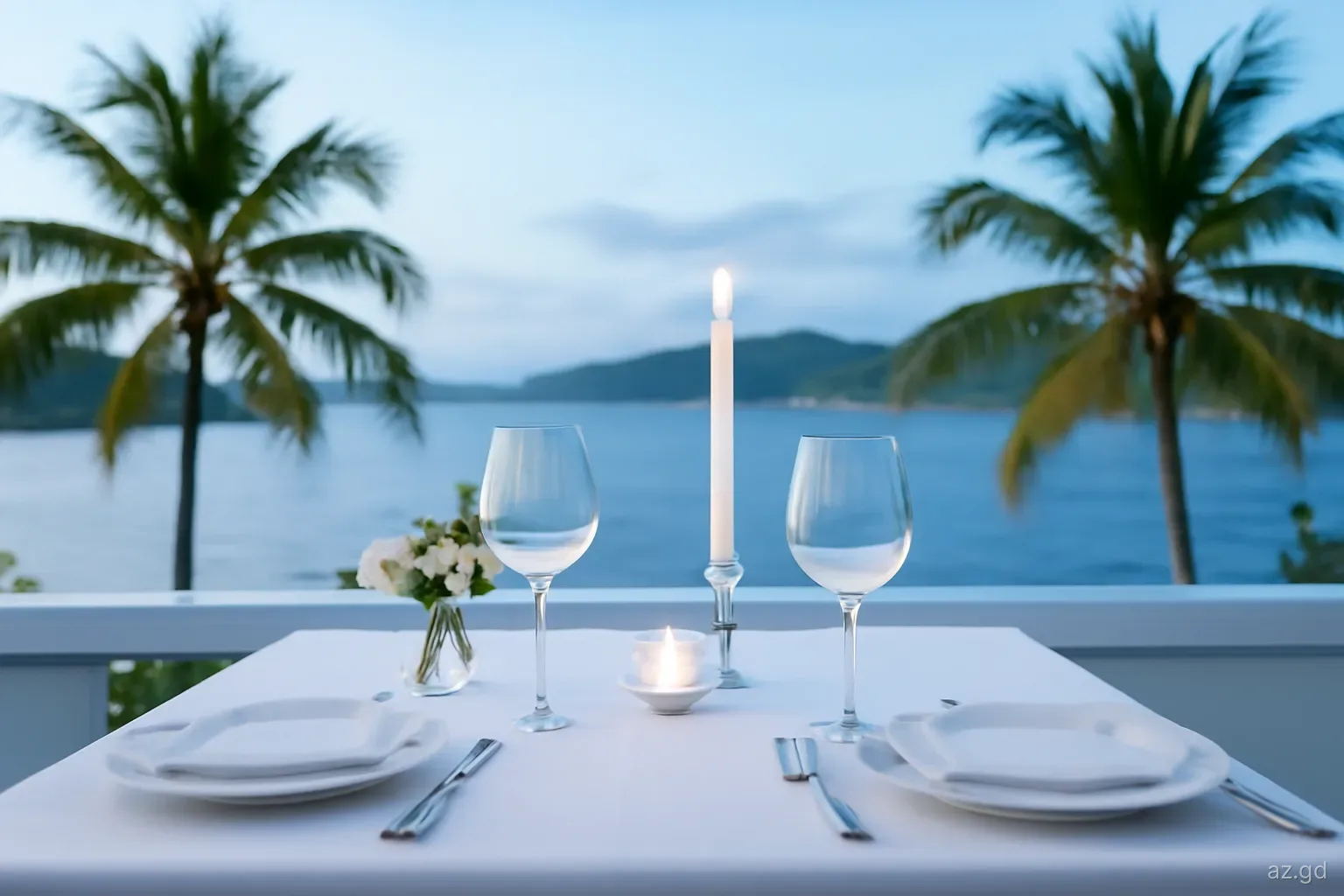
For an anniversary, a proposal or simply the best meal of a trip, Grenada has a small number of restaurants that do formal dining well. Most are in hotels and resorts around Grand Anse, Morne Rouge, Lance aux Epines and the south coast, and many welcome non-guests by reservation. A few independent restaurants in the same areas and on the hills above St George's also aim at the top end.
Special-occasion dining in Grenada has its own etiquette and logistics: who can book where, what to wear, how menus use local produce, what a meal is likely to cost and how to get home afterwards along dark, winding roads. This guide covers them so the evening goes as planned.
Where the top-end restaurants are
The highest concentration of upscale dining is in the hotels along Grand Anse and Morne Rouge, and on the Lance aux Epines peninsula, home to several boutique hotels. Long-established names such as Spice Island Beach Resort and Silversands on Grand Anse, Laluna near Morne Rouge, Calabash in Lance aux Epines and True Blue Bay Resort on the True Blue peninsula all have restaurants that have long attracted outside diners as well as guests. Restaurants change chefs, concepts and policies, so check current details when you book.
Independent fine-dining restaurants are fewer and come and go, but there are usually a handful in the south-west at any time, some with views over St George's harbour or the south coast. All-inclusive resorts are a different case: they generally reserve their restaurants for staying guests, and some sell day or evening passes that include dining. If your heart is set on a particular all-inclusive, ask about passes in advance rather than turning up at the gate.
Booking as a non-guest
Most hotel restaurants welcome outside diners, but treat booking as part of the plan rather than an afterthought.
- Book early in high season. From mid-December to April, and especially around Christmas, New Year and Valentine's Day, reserve several days to a week ahead for weekend dinners.
- Say it is a special occasion. Restaurants can arrange a better table, a dessert with a message, flowers or a cake if they know in advance.
- Ask about the setting. If you want a table at the water's edge or on a terrace for sunset, request it specifically and ask what time the sun goes down that month.
- Check the payment and cancellation policy. Some places take card details for larger groups or holiday dates.
- Mention dietary needs and allergies when you book, not when you arrive, so the kitchen can prepare.
- Confirm on the day, particularly in the quieter months, when some restaurants close for maintenance or reduce opening days.
What to wear
Elegant casual is the norm. Most top restaurants ask for smart, resort-style clothing in the evening: a collared shirt, long trousers or smart shorts and closed or smart shoes for men; a dress, skirt or smart trousers for women.
Long trousers for men at some places. A few restaurants ask men to wear long trousers at dinner. If you are unsure, pack one pair; it is the safest choice.
No beachwear. Swimwear, cover-ups, vests and flip-flops are not acceptable in formal dining rooms, even when the restaurant is on the beach.
Plan for the climate. Evenings are warm and humid. Light fabrics work best, and a thin layer helps in air-conditioned dining rooms. Open-air terraces can attract mosquitoes after sunset, so apply repellent before you dress.
Shoes and sand. If the restaurant involves walking on sand or uneven paths, choose footwear accordingly; heels sink into beaches and catch on garden steps.
What the menus look like
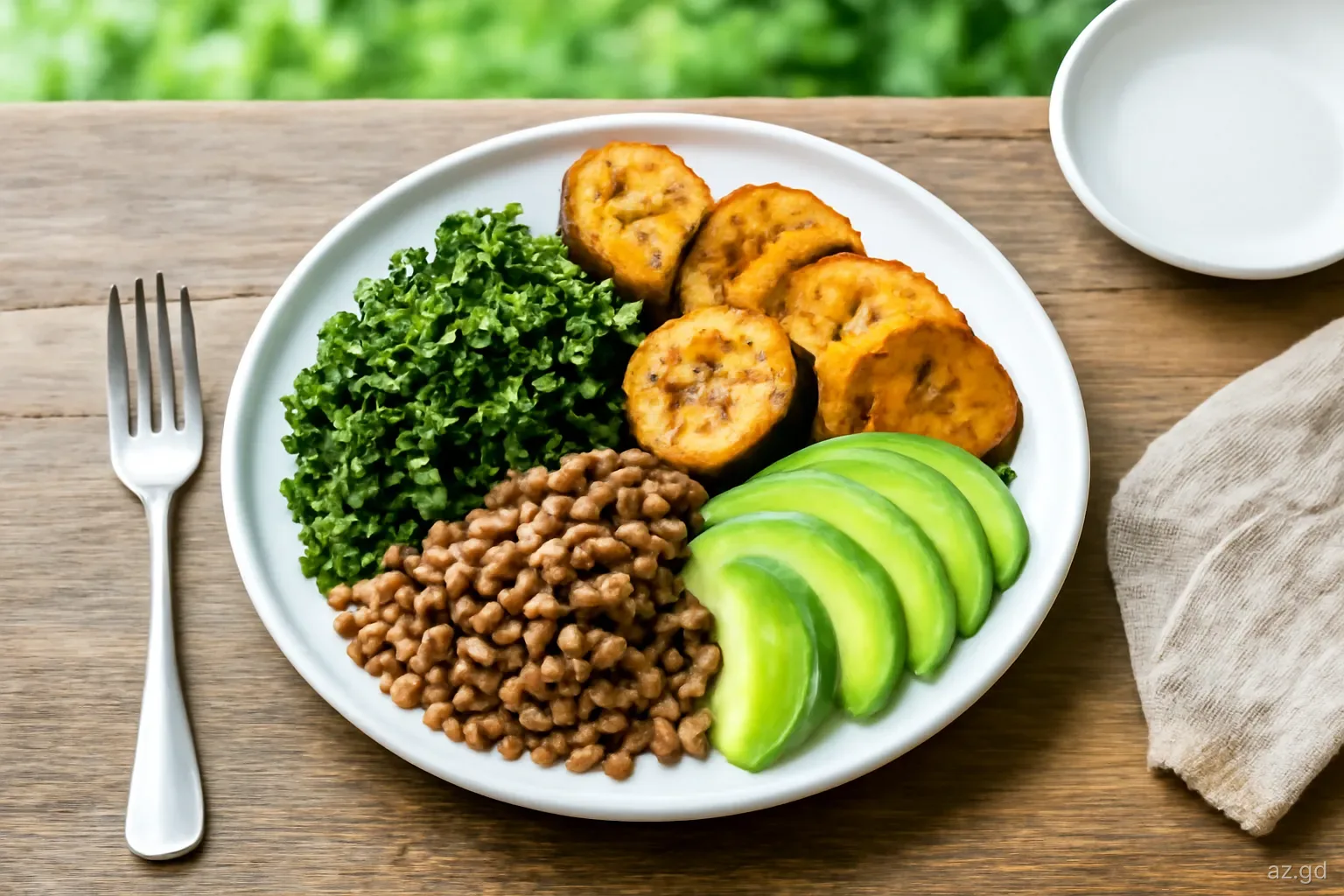
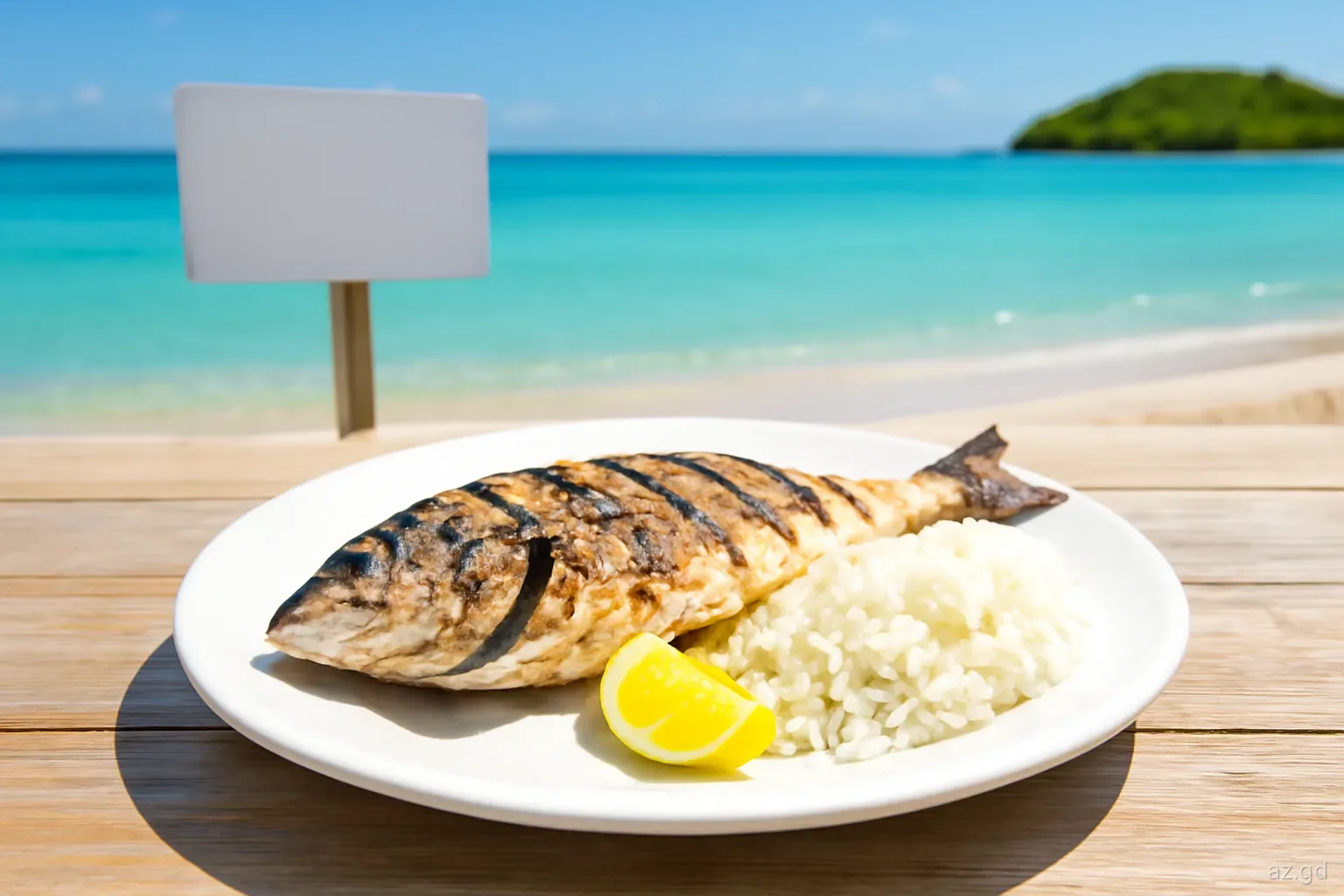
Grenada's best kitchens build their menus around local ingredients, and that is the reason to choose them over a generic international menu. Expect local fish such as tuna, mahi mahi (sold as dolphin), snapper and wahoo; lobster and lambi (conch) in season; callaloo soup; provisions turned into gratins, purées and chips; and spices from the island used with a light touch, from nutmeg and cinnamon to cocoa nibs and local peppers. Desserts often feature local chocolate, nutmeg ice cream, coconut, soursop or passion fruit.
Wine lists are almost entirely imported, which makes good wine expensive, and the choice can be narrower than in large cities. Cocktail lists, by contrast, often shine, using Grenadian rum, fresh juice and spices. If lobster is your priority, remember the closed season; in 2025 it ran from 1 May to 31 August, and responsible restaurants will not serve local lobster during that period. Tasting menus and wine pairings are offered at some places; ask when booking.
What a special dinner is likely to cost
Costs vary widely and change over time, so confirm on the menu. As a rough guide for planning:
- Three courses at a top hotel restaurant, without drinks, can run from around US$60 to US$100 or more per person.
- Wine adds significantly; bottles start high because of import duties, and wine by the glass can cost as much as a main course elsewhere.
- Lobster dishes usually carry a supplement or are the most expensive item on the menu.
- VAT at 15% and a service charge, usually 10%, may be added to menu prices; check the small print.
- A taxi there and back adds to the bill if you are not staying nearby, especially late at night.
- Tasting menus and special holiday dinners (Christmas Eve, New Year's Eve, Valentine's Day) are often set-price and higher than usual.
Getting there and back, and other practical points
Many special dinners take place outside the diner's own hotel, which means a taxi. Ask the restaurant or your hotel to book a reliable driver, agree the fare before setting off, and arrange your return time or ask the restaurant to call the driver when you are ready. Taxis are easier to find around Grand Anse at night than in Lance aux Epines or further east. If you have hired a car, decide in advance who is driving; Grenadian roads are dark, narrow and winding at night, and drink-driving rules are enforced.
Some hotels are adults-only or have policies on children in their restaurants at dinner; ask when booking if you are bringing children. Card payments are standard at this level, but carry some cash for tipping individual staff. If the evening involves a proposal or a surprise, brief the restaurant in detail; Grenadian staff are generally warm and happy to help, but a plan agreed in advance avoids awkward moments on the night.
Alternatives to a restaurant
A restaurant is not the only way to mark an occasion in Grenada. Many villas and some apartments can arrange a private chef to cook dinner at your accommodation, typically a multi-course meal built on local fish, provisions and spices, served on your own terrace. Your villa manager or rental agent is the best route to a recommended cook; agree the menu, the number of guests, who buys the ingredients and the total cost, including service, in advance.
Some hotels set up private dinners on the beach or on a jetty for couples, at a premium, and sunset sailing trips from the south coast sometimes include drinks and light food. For something more relaxed, a picnic of local food from a cookshop or market eaten on a quiet beach in the late afternoon can be just as memorable. Whatever you choose, think about mosquitoes after dark, the walk back in the dark and whether anyone needs to drive.
Frequently asked questions
Can non-guests eat at Grenada resort restaurants?
Many hotel and resort restaurants in Grenada welcome non-guests, especially for dinner, by reservation. All-inclusive resorts usually restrict their restaurants to staying guests, though some sell day or evening passes. Policies change, so ask when booking rather than arriving unannounced.
Is there a dress code for dinner in Grenada?
Top restaurants generally expect elegant casual dress in the evening: collared shirts and smart shoes, with long trousers for men at some places, and dresses, skirts or smart trousers for women. Swimwear and flip-flops are not acceptable in formal dining rooms even on the beach.
How far ahead should you book a special dinner in Grenada?
In high season from mid-December to April, book several days to a week ahead for weekend dinners at popular restaurants, and earlier for Christmas, New Year and Valentine's Day. In quieter months, a day or two is usually enough, but confirm opening days first.
When is lobster available in Grenada restaurants?
Local lobster is available outside the closed season. In 2025 the closed season ran from 1 May to 31 August, and the dates are announced annually by the ministry responsible for fisheries. Responsible restaurants do not serve local lobster during the closure, though some may offer imported or frozen alternatives.
How much does a fine-dining meal cost in Grenada?
Three courses at a top hotel restaurant can cost from around US$60 to US$100 or more per person before drinks, with wine, VAT and service adding considerably. Prices vary by restaurant and change over time, so check the menu and its notes on tax and service before ordering.