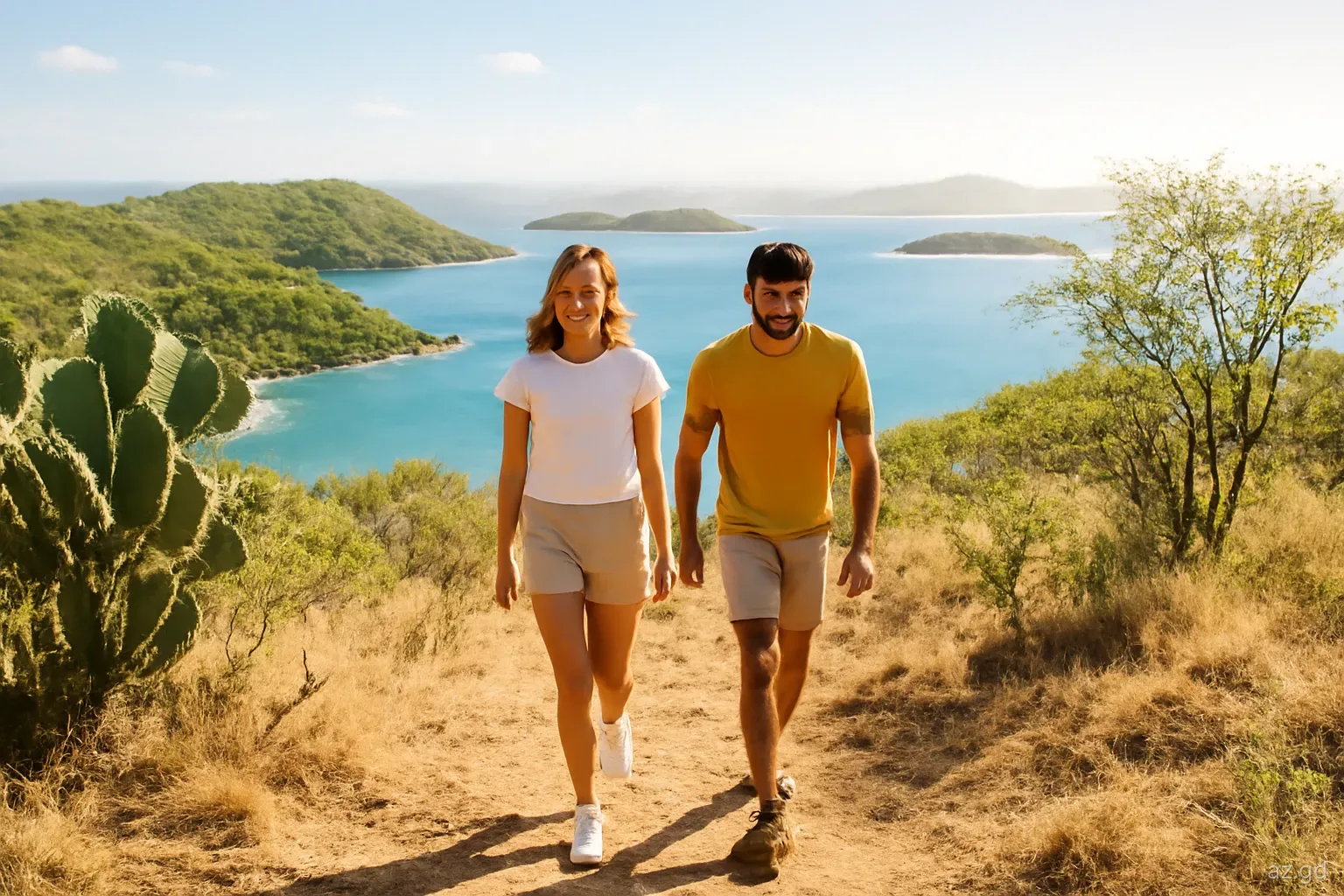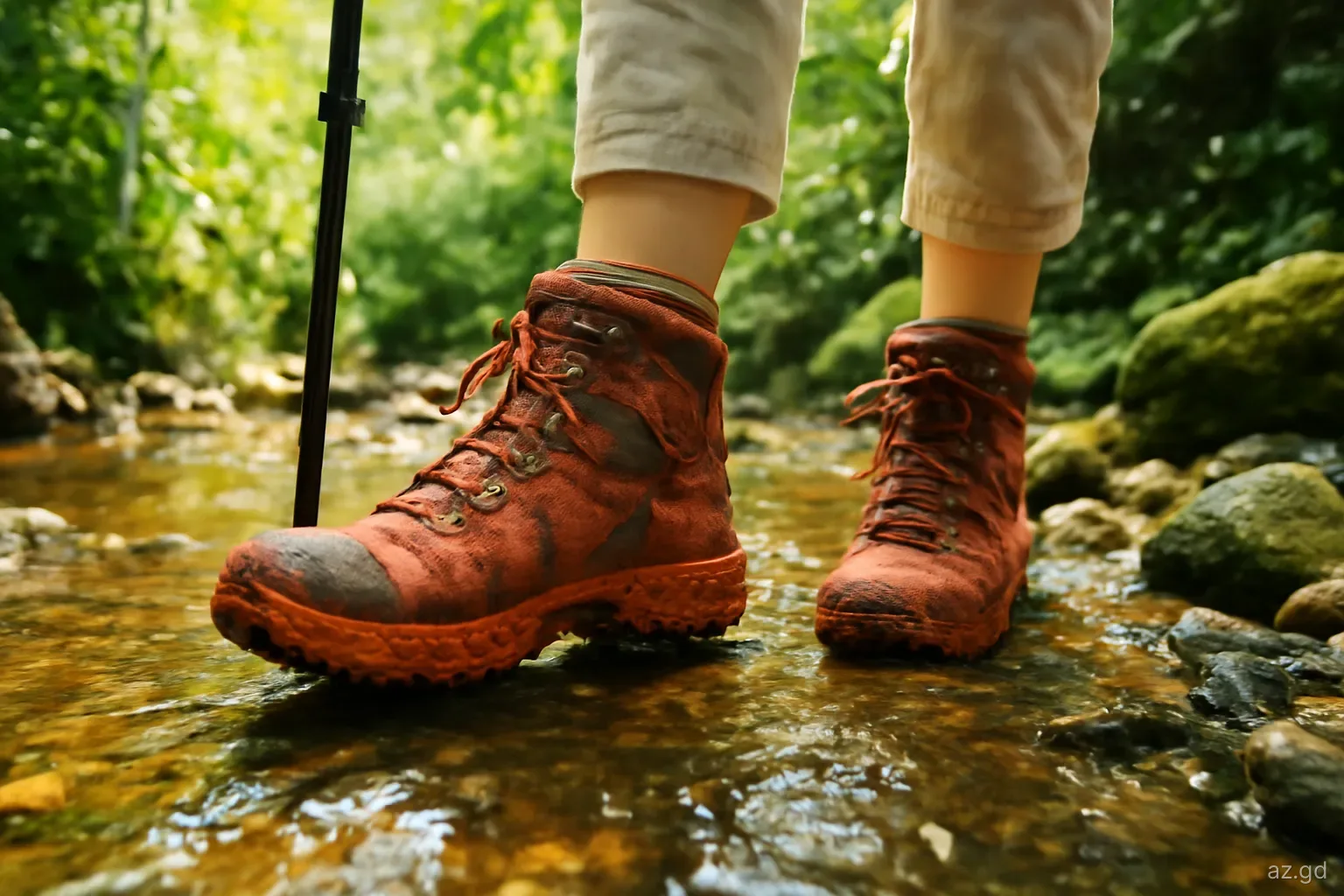
Grenada's trails are short by world standards. The highest summit is only about 840 metres, and few popular hikes take more than a day. That leads people to treat them casually, and most hiking problems on the island come from that mismatch: a three-kilometre trail can take three hours when the clay is wet, and a gentle river at a waterfall can rise to waist height within minutes of rain falling higher up the mountain.
None of this should put you off. The forests are among the safest in the Caribbean to walk in: there are no large predators and no venomous snakes on mainland Grenada. But the island has its own set of hazards, and knowing them in advance turns a potentially miserable or risky day into an easy one.
The mud is a different kind of mud
Grenada's mountain soils are weathered volcanic clays. When dry they are firm; after rain they turn into a slick, greasy surface that clings to boots and offers almost no grip on slopes. Because the interior receives far more rain than the coast, trails at Grand Etang and on Mount St Catherine can be wet even in the dry season, while the beaches are sunny.
The practical consequences are bigger than they sound. Walking times stretch, sometimes by half. Descents are harder than ascents, because each step down can turn into a slide. Most injuries on the island's trails are sprained ankles, wrist injuries and bruises from falls on mud rather than anything more dramatic.
The fixes are simple: shoes with deep lugs or rubber boots, a walking stick or pole for descents, short steps with your weight over your feet, and using roots and trunks as handholds. Allow more time than any blog suggests, and start early enough that you are not rushing down a muddy slope in fading light.
Rivers and flash floods
Rain upstream matters more than rain overhead. Rivers draining the central mountains respond quickly to heavy showers. You can be at a sunny waterfall when rain is falling on the ridges above, and the first sign is a change in the water.
Know the warning signs. Water turning brown or cloudy, rising levels, more noise, and leaves, sticks or foam floating down. If you see any of these, get out of the riverbed and onto high ground immediately; do not wait to collect belongings from rocks.
Do not cross fast water. If a river crossing is above the knee and flowing fast, turn back. Even shallow, swift water can knock an adult off their feet on slippery stones.
Plan around the forecast. Avoid river walks such as those to Fontainbleau or Tufton Hall after heavy rain or when more is forecast. The wettest months, broadly August to November, need the most caution.
After storms, expect changes. Landslips, fallen trees and shifted riverbeds can block or reroute trails for weeks. Ask locally or with the Forestry and National Parks Department before setting out after severe weather.
Heat, sun and water
At the coast, heat and humidity are the bigger risk. Coastal walks in dry areas such as Levera, the south of St George and much of Carriacou offer little shade, and the combination of strong sun and humidity drains people faster than they expect. Sweat does not evaporate as efficiently in humid air, so the body struggles to cool itself.
Carry more water than seems necessary: a litre per person for a short hike, and two or more for anything over a few hours. Electrolyte sachets or salty snacks help on long or hot days. Start walks early, ideally before 8am, and avoid exposed sections between late morning and mid-afternoon.
Learn the signs of heat exhaustion: headache, dizziness, nausea, heavy sweating, cramps and unusual fatigue. Stop, find shade, drink and cool down with water. Confusion, hot dry skin or collapse suggest heatstroke, which is an emergency: call 911 and cool the person urgently while help comes.
Plants and animals to know about
Wildlife on Grenada's trails is far more interesting than dangerous, but a few species deserve respect:
- Snakes. Grenada has no venomous snakes on the main island. The most commonly seen is the Grenada tree boa, a slender, non-venomous snake that hunts lizards at night. It may bite if handled, so leave it alone.
- Jack Spaniard wasps. These paper wasps build nests under leaves and branches along paths and sting readily if disturbed. If you bump a nest, move away quickly and calmly. People with allergies should carry their own medication.
- Centipedes and scorpions. Present but rarely met. Shake out shoes left outside and look before putting hands into rock crevices.
- Manchineel. A coastal tree with shiny leaves and small green fruit resembling apples. Its sap and fruit are toxic, and rain dripping from the leaves can blister skin. It grows on some beaches and coastal trails; never shelter beneath it or eat the fruit.
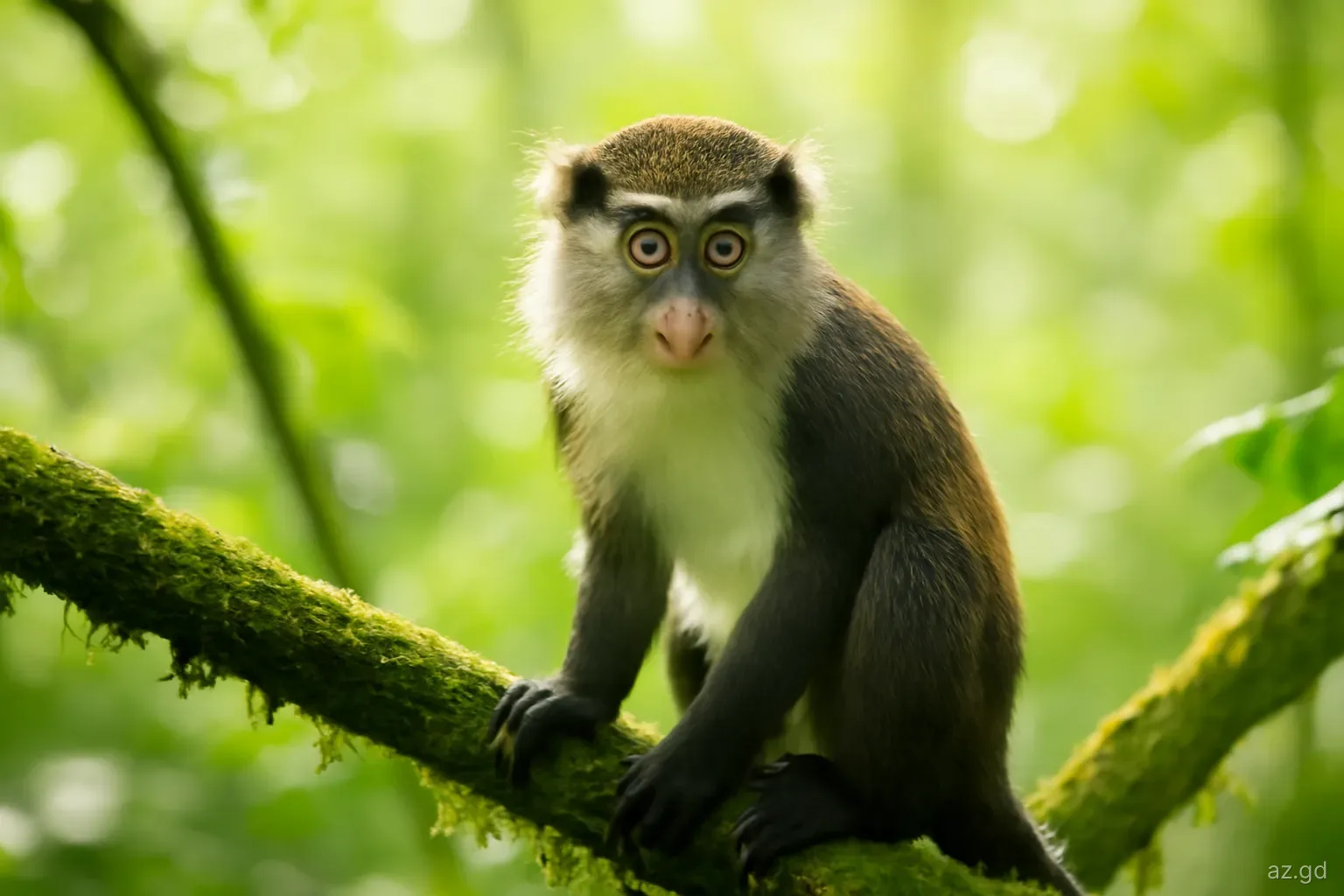
- Mona monkeys. Generally shy in the forest, but monkeys used to being fed can grab bags and bite. Do not feed them.
- Stinging plants. Some vines and nettle-like plants cause itching or rashes. Long trousers help in overgrown areas.
- Mosquitoes. More of a health issue than a hazard, as they can carry dengue and other viruses. Use repellent, particularly around dawn and dusk.
A checklist before any hike
Run through this list the evening before. It takes a few minutes and covers the problems that most often catch hikers out.
- Check the weather forecast and any warnings from the Grenada Meteorological Service, and look at how much rain fell in the previous 24 hours.
- Choose a route that matches the weakest walker in your group, and know where you will turn back if needed.
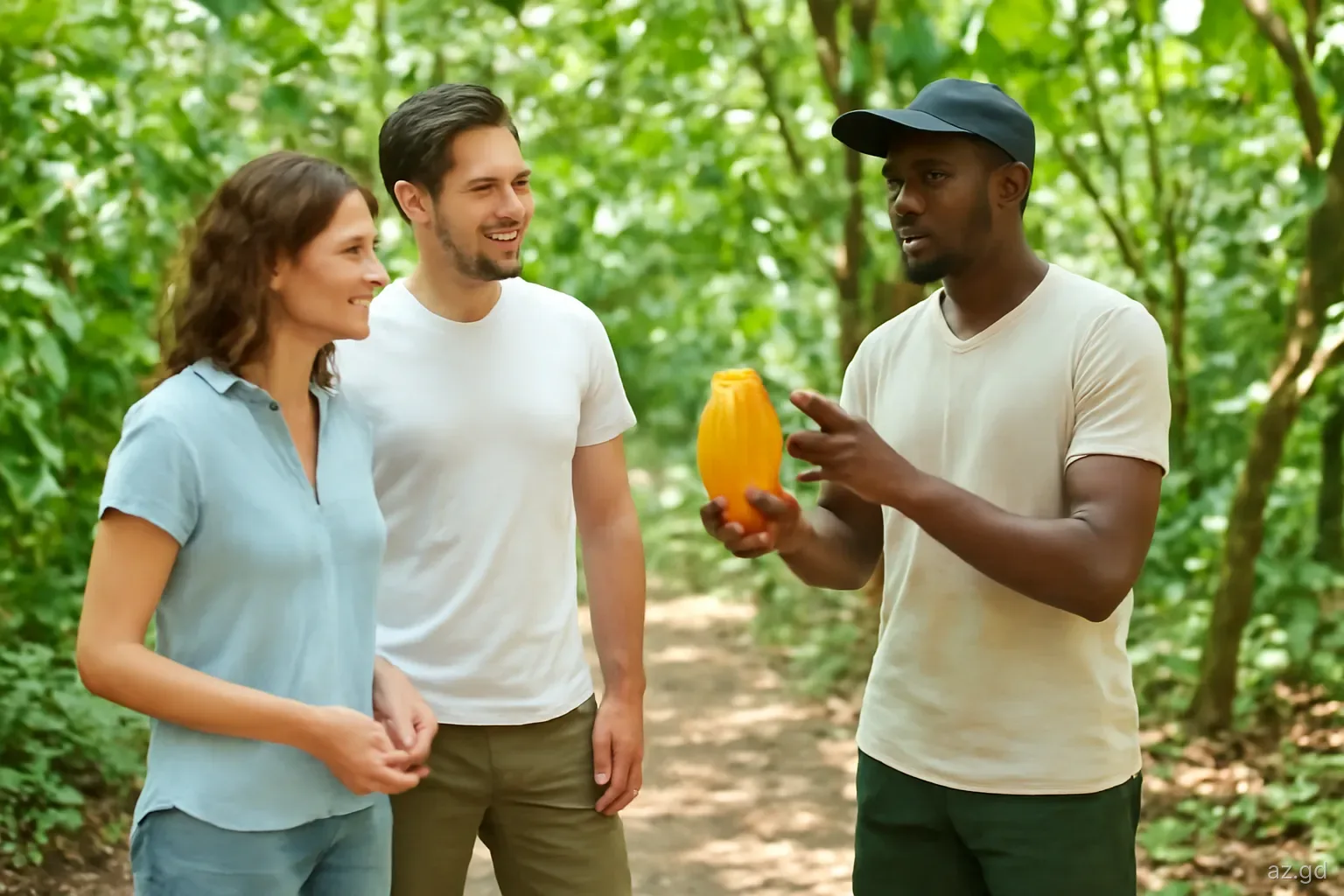
- Decide whether you need a guide; for Mount St Catherine, upper Concord and Tufton Hall, the answer is usually yes.
- Pack water, snacks, a rain layer, sun protection, insect repellent, a small first-aid kit and a fully charged phone in a waterproof bag.
- Wear shoes with real grip, and consider light gloves for steep, rooty sections.
- Tell someone where you are going and when you expect to be back.
- Plan to start early and finish well before dark, which falls quickly around 6pm to 6.30pm depending on the time of year.
- Carry some cash in small EC notes for access fees and a drink at the end.
- Save the emergency number, 911, and know your approximate location in case you need to describe it.
Getting lost and getting help
Most Grenadian trails are short enough that getting lost means an uncomfortable detour rather than a night in the forest, but it does happen, usually where hunters' or farmers' tracks branch off a faint path. If you lose the trail, stop and retrace your steps to the last point you were sure of rather than pushing on. Following a river downhill may seem logical but often leads to waterfalls and gorges that are impossible to pass.
Mobile coverage is reasonable in much of the country but patchy in deep valleys and on the far side of ridges. If you have signal, call 911 in an emergency and describe where you started, which trail you followed and what you can see. Stay together, stay put once you have called for help, and make yourself visible and audible. Rescuers in Grenada are often local volunteers, police and forestry staff who know the terrain well; a clear description of your route helps them find you quickly.
Frequently asked questions
Are there venomous snakes in Grenada?
No venomous snakes live on the main island of Grenada. The snake most often seen is the Grenada tree boa, which is non-venomous and mainly active at night. It can bite if handled, so watch it from a distance and leave it undisturbed.
Is it safe to hike alone in Grenada?
Short, busy trails such as those at Grand Etang are reasonable alone in daylight if you tell someone your plans. Long or remote routes, river hikes and anything in poor weather are better with a companion or guide, because phone signal is patchy and help can be slow to arrive.
What should you wear for hiking in Grenada?
Shoes with deep tread or rubber boots matter most, because trails become slippery clay after rain. Add light, quick-drying clothes, a rain jacket for the mountains, a hat for exposed coastal walks and long trousers for overgrown paths. Leave camouflage clothing at home, as it is illegal for civilians.
When is the worst time of year to hike in Grenada?
The wettest months, broadly August to November, bring the muddiest trails and the highest risk of flash floods on river routes, and they overlap with the peak of hurricane season. Hiking is still possible, but choose shorter routes and avoid river walks after heavy rain.
What do you do if a Jack Spaniard wasp stings you?
Move away from the nest calmly but quickly to avoid further stings, then clean the area and apply a cold compress. An antihistamine can ease swelling. If someone has difficulty breathing, swelling of the face or a known severe allergy, treat it as an emergency and call 911.
How can you tell if a river is about to flood?
Watch for water turning brown or cloudy, a rise in level, louder flow and debris such as leaves and sticks coming downstream. Any of these signs means you should leave the riverbed for higher ground immediately, even if the sky above you looks clear.