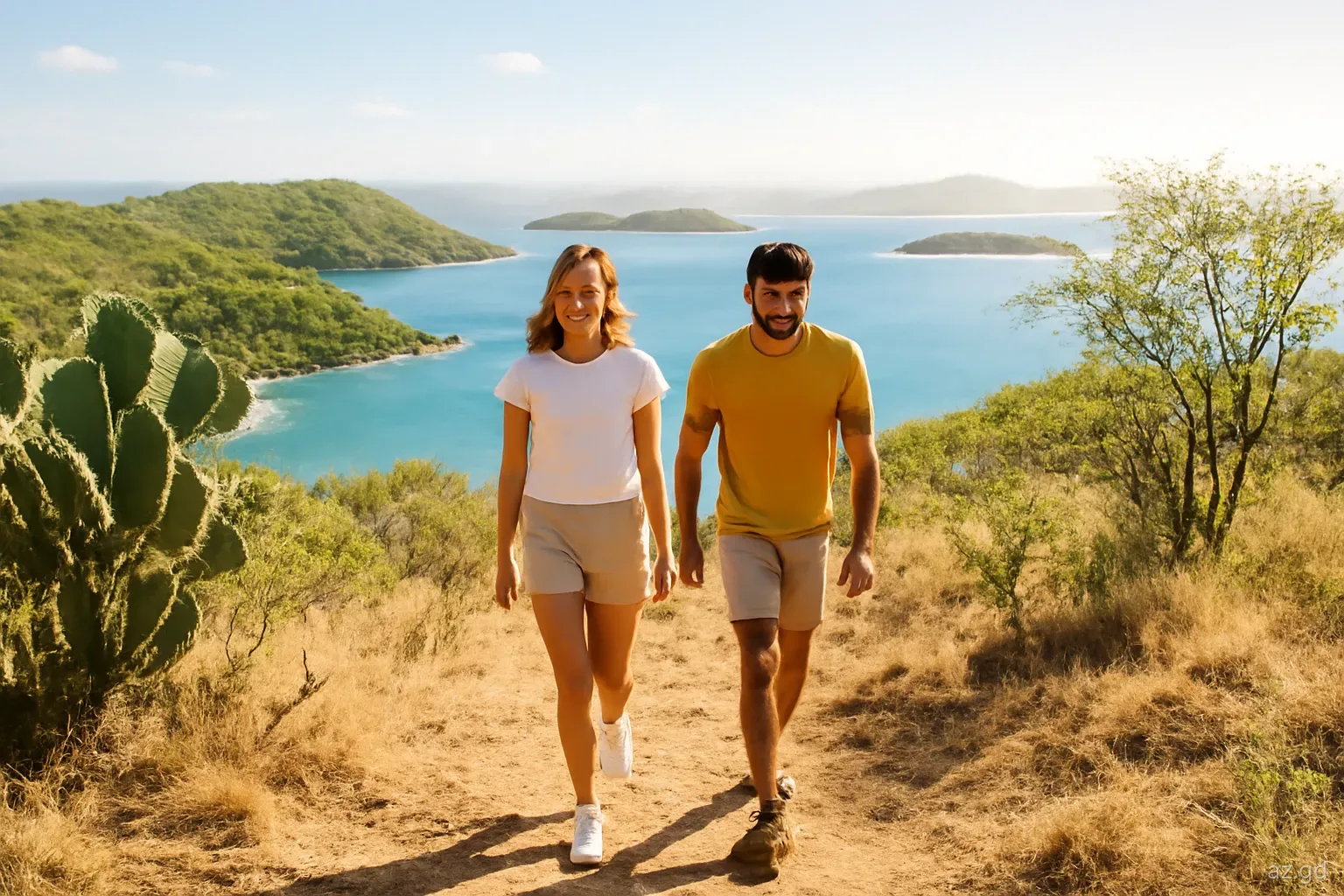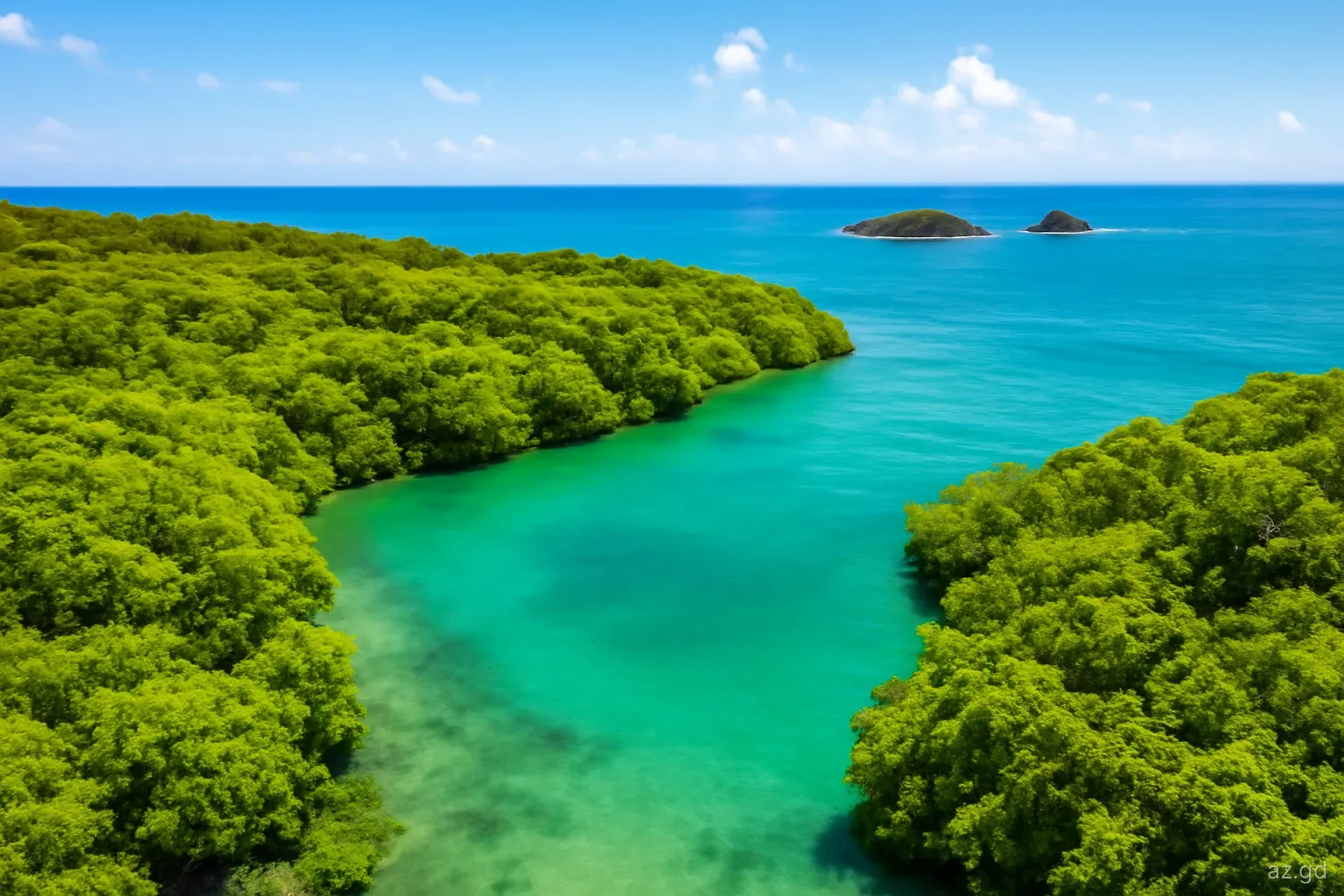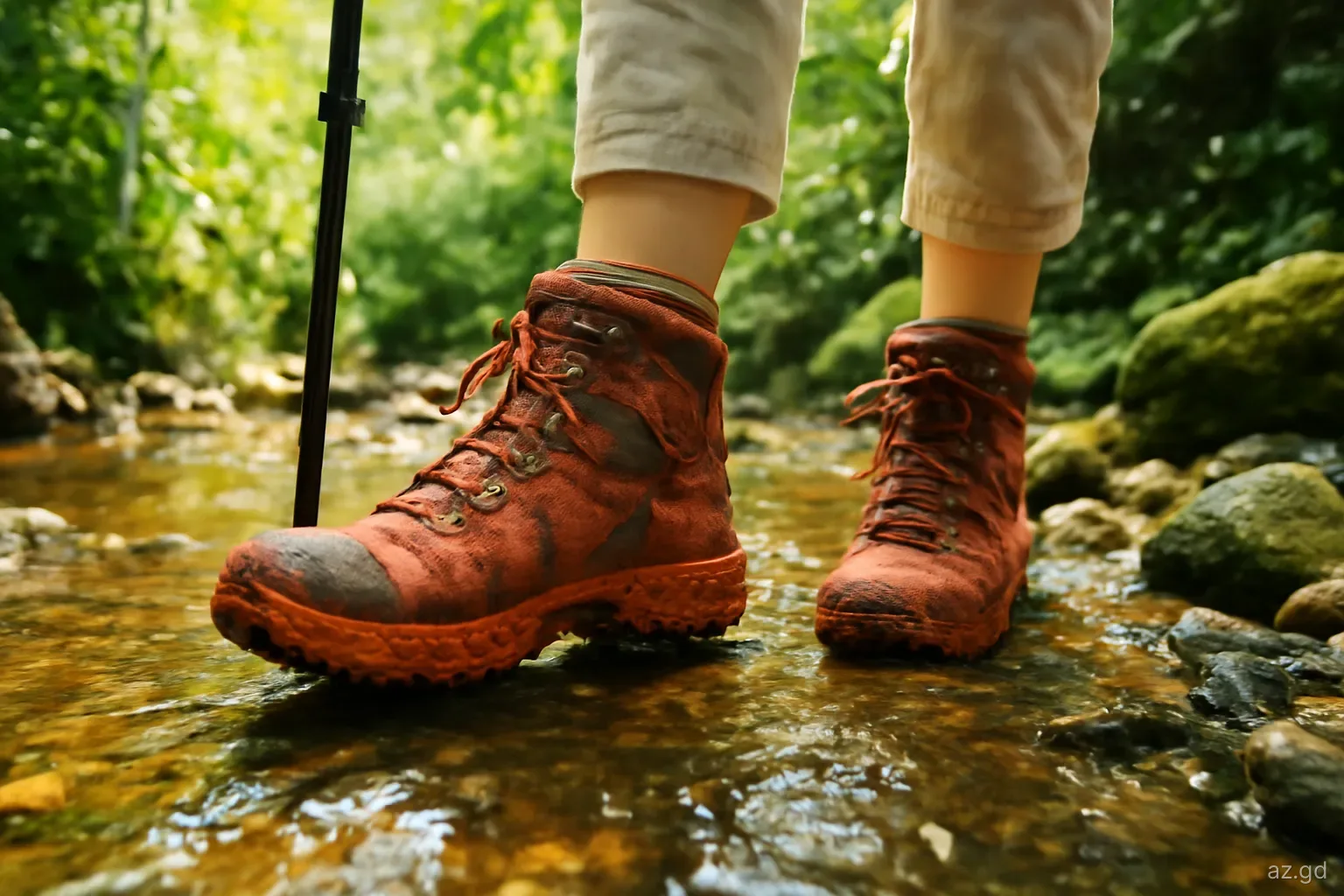
Some Grenada trails are marked, short and busy enough that you can follow other walkers. Others cross farmland with branching tracks, follow rivers that change after every storm or climb into cloud where the path fades. The difference between a great day and a frustrating one is often whether you had someone with you who knows the route.
This guide sets out which hikes are reasonable to do on your own, when hiring a guide is the sensible choice, how to find a reputable one and what to agree before the day so there are no surprises about price, timing or what is included.
Hikes you can usually do independently
These walks are well used, short or clearly defined. Go in daylight, tell someone your plans and turn back if conditions look poor.
- Morne LaBaye and the Beausejour ridge trail at Grand Etang: short paths from the visitor centre.
- The Shoreline trail around Grand Etang Lake: muddy but marked and hard to get lost on.
- Annandale Falls: a paved path from the entrance.
- The first Concord fall: a few minutes from the end of the road.
- Seven Sisters Falls to the main pool: steep and muddy, but a well-used single path from the roadside entrance.
- Mount Carmel Falls: a short descent from the road near Marquis in St Andrew.
- Coastal walks such as the trails around Levera Pond or the road and tracks of Carriacou's High North area, in the cooler hours.
- Mount Qua Qua for experienced, sure-footed hikers in dry conditions, starting in the morning.
Hikes where a guide is strongly advised
For these routes a guide adds safety as well as knowledge. Many are poorly marked, cross private land or involve river travel.
- Mount St Catherine, from any side: long, steep, faint in places and often in cloud.
- Fontainbleau Falls above Concord: repeated river crossings that change with water levels.
- Tufton Hall Waterfall in St Mark: river-valley walking and boulder scrambling.
- The upper cascades at Seven Sisters beyond the main pool.
- Cross-forest routes from Grand Etang to Concord or other long traverses through the Grand Etang Forest Reserve.
- Any hike in the rainy season where rivers must be crossed, especially from August to November.
- Chapeau Carré on Carriacou, where the route is unmarked.
- Night walks, including any trip to see wildlife after dark or turtle watching at Levera, which must be done with authorised guides.
- Birding outings at sites such as Mount Hartman, where a guide who knows the calls greatly improves your chance of seeing the Grenada dove.
What a good guide actually adds
The obvious benefit is route-finding: a guide knows which junction to take where farm tracks branch, how a landslip has changed the path and when a river is too high to cross. Less obvious is local judgement. A good guide will look at the clouds over the mountains and suggest turning back before the trail becomes dangerous, or switch to a different waterfall because one river is running brown.
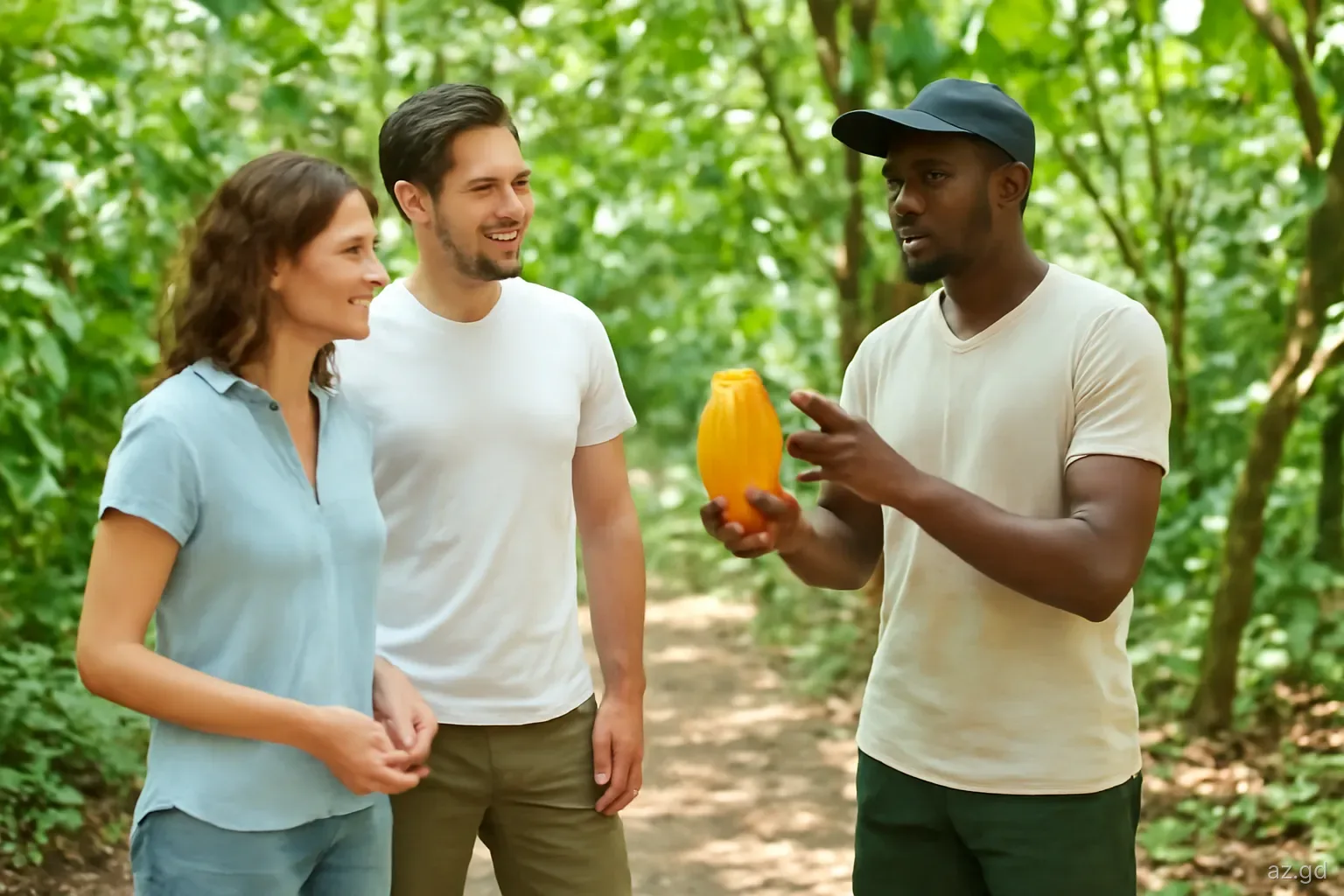
Guides also bring the forest to life. Many grew up in farming communities and can point out nutmeg, cocoa, bay leaf, wild cinnamon and medicinal plants, explain how hurricanes reshaped the forest and identify birds you would otherwise miss. They often carry cutlasses to clear fallen branches and walking sticks for guests, and many handle transport, solving the problem of reaching remote trailheads on rough roads.
Finally, a guide is someone who can raise the alarm. On remote routes where phones lose signal, having a person who knows the area and can go for help is the main safety net.
Etiquette on farm and forest trails
Many of Grenada's trails, including the approaches to Mount St Catherine, Seven Sisters and several waterfalls, pass through working farms and private land. Access depends on the goodwill of the people who own and work it, so behave as a guest. Stay on the path, close any gates you open, and never pick fruit, nutmeg or cocoa pods without asking, however many are lying on the ground; they are someone's income.
Greet the people you meet. A "good morning" or "good afternoon" is the normal courtesy in rural Grenada, and farmers are often the best source of up-to-date information about the trail ahead. Pay access fees where they are collected without haggling; they are usually small and help keep the route open.
Carry out all your rubbish, including fruit peel and tissue, and avoid using soap or sunscreen in rivers that supply water downstream.
How to find and book a reputable guide
There is no shortage of people offering to guide, especially near popular trailheads. Booking in advance through trustworthy channels avoids most problems:
- Ask your accommodation, or contact the Grenada Tourism Authority, for recommendations of licensed tour guides and established hiking operators. Tour guides in Grenada are expected to hold a licence; ask to see it.
- Check recent reviews from other hikers, looking for comments on safety, punctuality and how the guide handled bad weather.
- Describe your fitness, experience and any medical issues honestly. A good guide will suggest an alternative if the route is too much.
- Agree the route, start time and expected duration in writing, even if only by message.
- Confirm the total price, the currency and whether it is per person or per group, and what it includes: transport, entrance fees, water, snacks, walking sticks.
- Ask what happens if the weather is bad: whether the hike is moved, changed or refunded.
- Be wary of offers made on the spot at trailheads by people who cannot show a licence, particularly for longer routes.
What it costs and how to pay
Prices vary widely with the route, group size and whether transport is included. A short guided walk to a waterfall from a trailhead may cost the equivalent of a few tens of US dollars per person, while a full-day Mount St Catherine climb with transport from the south coast costs considerably more, particularly for a solo hiker. Group rates usually bring the cost per person down. Treat any published figures as a starting point and confirm current rates directly, as they change.
Many independent guides prefer cash in EC or US dollars; established tour operators may take cards or online payment. Tipping a guide who has given good service is appreciated but not compulsory; 10 to 15 per cent is common for a full-day hike. If the guide has carried extra equipment or adapted the day to your needs, many hikers tip more.
Pitfalls when hiking with or without a guide
A few problems come up often enough to be worth naming:
- Agreeing a price without confirming whether entrance fees, such as those at Seven Sisters or Concord, are included.
- Setting out late because the pick-up time was vague. Early starts matter for heat and afternoon rain.
- Assuming a guide will supply water and food, then finding they expected you to bring your own.
- Choosing a route beyond your fitness to please the group; the slowest member sets the pace and the safety margin.
- Hiking independently on a route that looked easy in a blog, without allowing for recent storm damage.
- Wearing the wrong shoes, which no guide can fix on the trail.
- Not telling anyone where you have gone when hiking without a guide, so nobody knows to raise the alarm if you are late.
- Following a trail recorded on a phone app without realising it may be years old and no longer match the ground after hurricanes and landslips.
Frequently asked questions
Do you need a guide to hike in Grenada?
Not for short, marked trails such as those near the Grand Etang visitor centre, Annandale Falls or the main pool at Seven Sisters. A guide is strongly advised for Mount St Catherine, Fontainbleau and Tufton Hall falls, cross-forest routes and any river hike after rain.
How do you find a licensed tour guide in Grenada?
Ask your accommodation or the Grenada Tourism Authority for recommendations, and use established operators with good recent reviews. Guides are expected to hold a tour guide licence, so ask to see it, especially if someone approaches you at a trailhead.
How much does a hiking guide cost in Grenada?
Costs depend on the route, group size and whether transport is included. Short waterfall walks are relatively inexpensive, while a full-day Mount St Catherine trip with transport costs much more. Agree the total, the currency and what is included before the day.
Should you tip a hiking guide in Grenada?
Tipping is appreciated but not required. Around 10 to 15 per cent is common after a good full-day hike, and many hikers give more when a guide has gone out of their way, adapted the route or carried extra gear. Cash in EC or US dollars is easiest.
Can a guide arrange transport to the trailhead?
Many can, and it is often the main advantage on routes like Mount St Catherine, where access roads are rough. Confirm whether transport is included in the price, the pick-up time and location, and whether the vehicle is suitable for the road.