Grenada does not have big mammals or famous safari animals, but it has a surprising mix of wildlife for a small island: a monkey brought from Africa centuries ago, a critically endangered national bird found nowhere else, hummingbirds at forest flowers, tree boas, armadillos and wetlands full of herons. Much of it can be seen within an hour of St George's.
This guide explains what lives where, how to improve your chances of seeing it and how to watch without causing harm. Wildlife behaves on its own schedule, so treat it as a guide to odds rather than a promise of sightings.
Mona monkeys: Africa in the rainforest
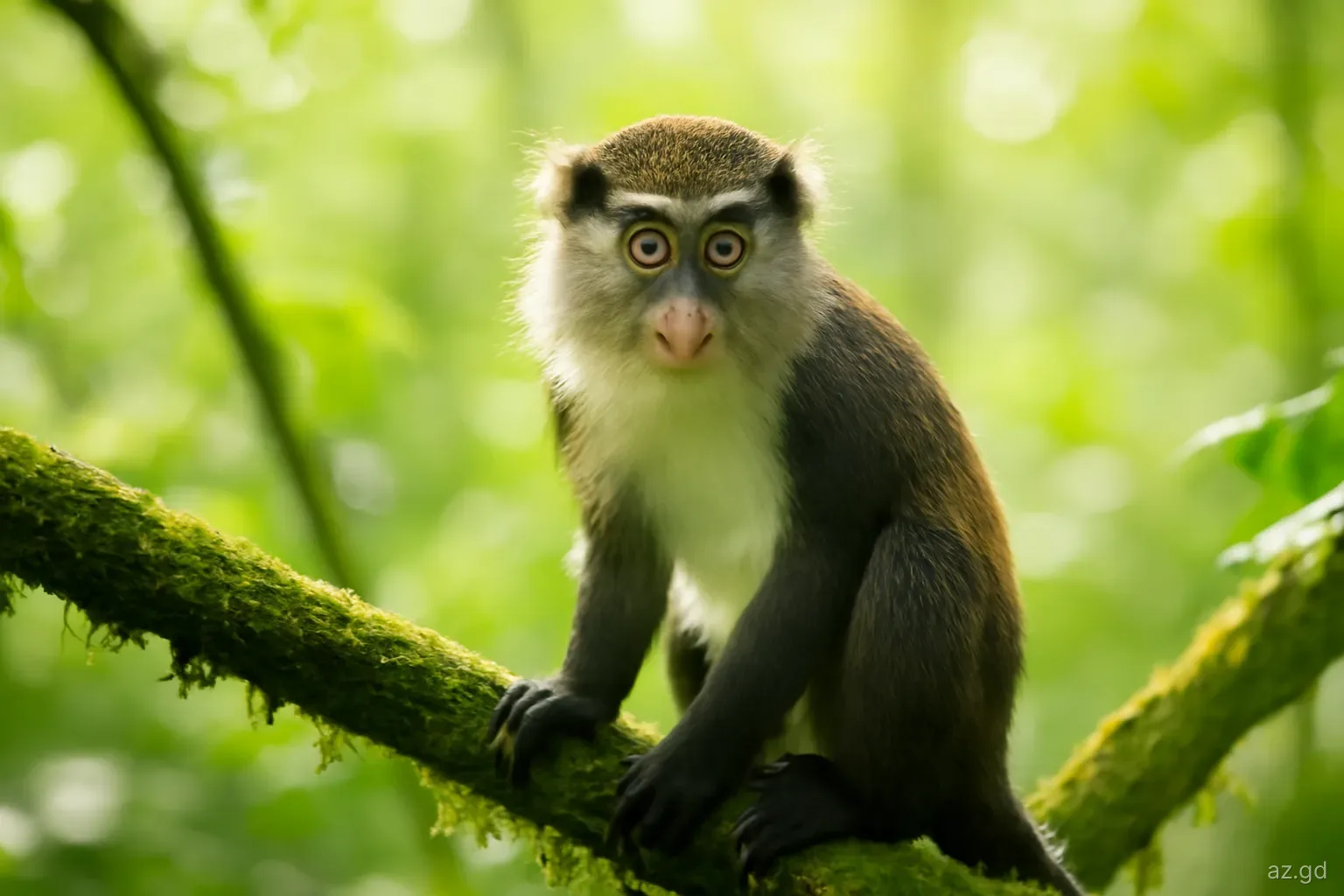
The Mona monkey is a small, agile monkey with a dark back, white underside and distinctive markings on its face. It is not native: Monas were brought to Grenada from West Africa during the colonial period, probably as pets on ships, and established a wild population in the island's forests. Grenada is one of very few places in the Americas where they live wild.
The best place to look is Grand Etang National Park, where troops move through the canopy around the lake and the visitor centre. Monkeys used to people sometimes come close to the car park and vendor stalls, where they are often photographed. On the trails, listen for rustling and branches moving overhead, particularly in the early morning.
Do not feed them, however tempting. Feeding changes their behaviour, encourages them to approach people and can lead to bites and scratches. It also draws them towards roads. Monkeys are sometimes kept as pets, and wild monkeys are hunted in some areas, so the ones you see in the forest are understandably wary.
The Grenada dove: the national bird
The Grenada dove is found only on mainland Grenada and is one of the rarest birds in the world. It is classified as Critically Endangered, with the most recent island-wide survey, in 2013, estimating around 160 birds. It lives in dry coastal forest and scrub on the south-west and west coasts, habitat that has been steadily lost to development.
Two protected areas were created specifically for it: Mount Hartman, in the south of St George parish near the Lance aux Epines and Mount Hartman Bay area, and the Perseverance Dove Sanctuary on the west coast. Together they cover only a small part of the dove's range, and pressures from development, invasive mongooses and rats continue.
Seeing the dove takes patience. It is a quiet, ground-feeding bird, often heard before it is seen: listen for a low, repeated, mournful call from the undergrowth. Early mornings in the dry season give the best chance. Visiting with a knowledgeable local birding guide greatly improves your odds and helps you avoid disturbing the birds. Check access arrangements before you go, as boundaries and trails have changed over the years.
Other birds worth looking for
Birders have recorded well over a hundred species in Grenada, including migrants and seabirds. Highlights for a short visit include:
- Hummingbirds. The Antillean crested hummingbird is common in gardens and at the coast. In the forest at Grand Etang, look for the purple-throated carib and the green-throated carib at flowering plants.
- Grenada hook-billed kite. A distinctive raptor found only in Grenada, with very few individuals. It is mostly recorded in dry forest areas and is extremely hard to see; any sighting is notable.
- Lesser Antillean species. Birds such as the Lesser Antillean tanager, the Lesser Antillean bullfinch and the scaly-breasted thrasher occur in forest and gardens.
- Raptors over the forest. The broad-winged hawk is often seen soaring over the central mountains.
- Wetland birds. Herons, egrets, stilts and, in the northern winter, migrant sandpipers and plovers at ponds and lagoons.
- Seabirds. Frigatebirds, boobies and terns along the coasts, especially around the offshore islands and Carriacou.
Where to go: the best wildlife sites
Grand Etang National Park. Montane rainforest with Mona monkeys, forest hummingbirds, the broad-winged hawk and other forest birds. Short trails near the visitor centre are enough for a good first look.
Mount Hartman and Perseverance. Dry forest habitat of the Grenada dove and occasionally the hook-billed kite. Best with a guide, early in the morning.
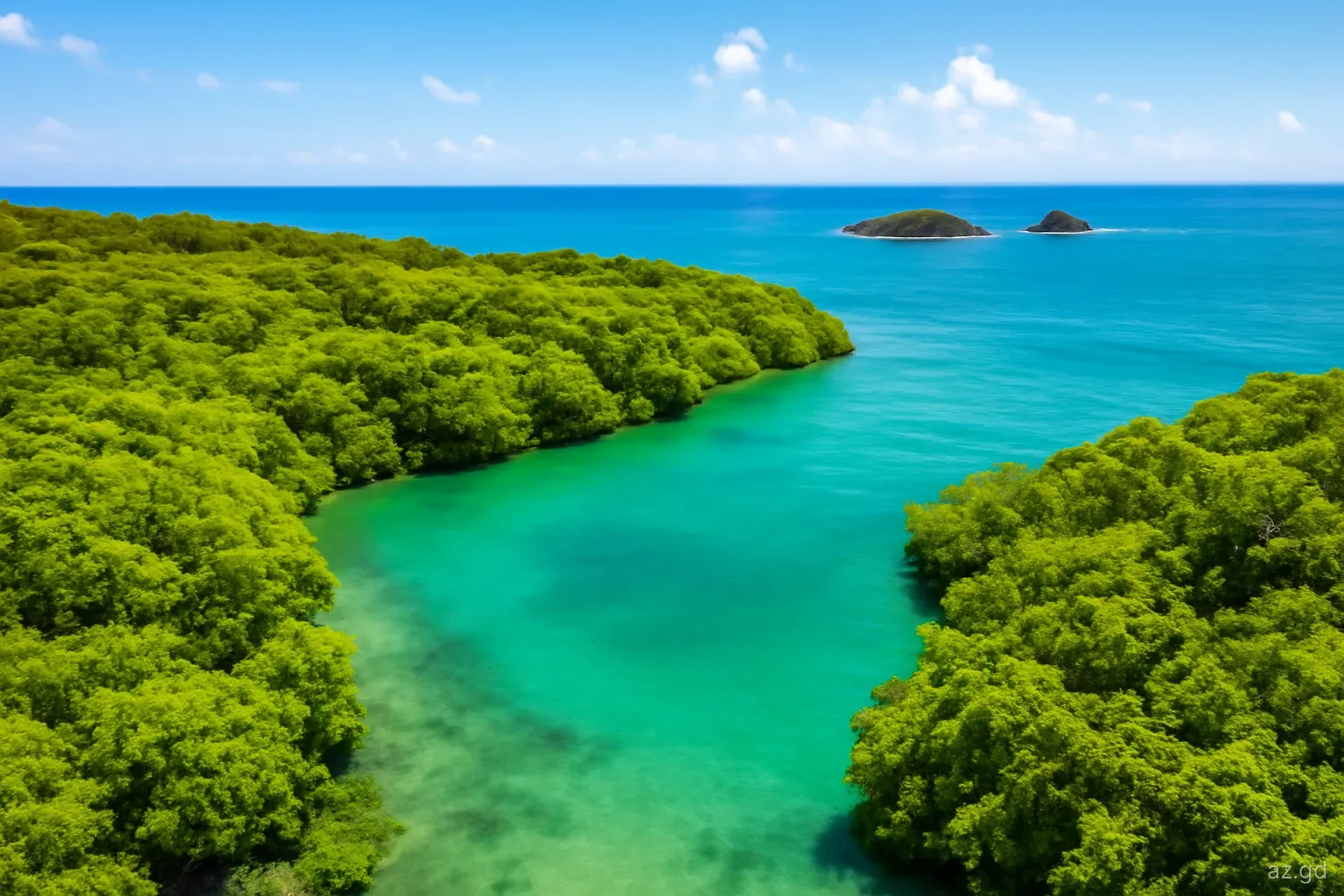
Levera National Park. The mangrove-fringed pond behind Levera Beach is the island's leading wetland for herons, egrets and migrant shorebirds, and the beach itself is a leatherback nesting site in season.
La Sagesse. A salt pond, mangroves and dry woodland on the south-east coast, good for wetland birds and quiet early-morning walks.
Lake Antoine. A shallow crater lake in St Patrick where waterbirds gather, easily combined with a north-east trip.
Carriacou. Dry forest at High North, mangroves around Tyrrel Bay and seabirds offshore. Red-footed tortoises are found on Carriacou, and iguanas are common in dry scrub.
Reptiles, mammals and frogs
The Grenada tree boa is the island's best-known snake, a slim, non-venomous climber with remarkably varied colours, from grey and brown to yellow and orange. It hunts anole lizards and rodents at night and is sometimes seen in trees along forest edges after dark, and occasionally in gardens. Several anole lizard species are everywhere, from hotel walls to forest trunks, and green iguanas live in drier coastal areas.
Among mammals, the nine-banded armadillo, known locally as tatou, and the opossum, called manicou, live in forests and farmland and are traditional game in rural Grenada. The small Indian mongoose, introduced long ago to control rats, is common and is a threat to ground-nesting birds. The agouti, a large rodent, also occurs in forested areas. Bats are numerous and important pollinators.
Frogs fill the night with sound, especially after rain. The island has an endemic species, the Grenada frog, found in the high forest of the interior, alongside more widespread species. The tiny whistling frogs you hear in gardens after dark are part of the soundtrack of any stay.
Wildlife through the year
Some of Grenada's wildlife is seasonal. From roughly October to April, migrant shorebirds and waterbirds from North America add variety to ponds and lagoons such as Levera, Lake Antoine and La Sagesse, and this is the best period for birders interested in waders. Seabirds are present year round, with some nesting on offshore islets around the Grenadines.
Leatherback turtles come ashore to nest on Atlantic beaches broadly from March to August, and hatchlings emerge through the summer. Frogs are most vocal after the rains begin in June, when the forest at night becomes noisy with calls. In the dry season, flowering trees in gardens and at the forest edge attract hummingbirds and bananaquits, which makes the early months a good time for photographers.
How to watch wildlife responsibly
Wildlife viewing in Grenada is low-key, which is part of its charm. Keeping it that way depends on visitors:
- Never feed monkeys or other wild animals, including fish and birds at hotels and beaches.
- Keep your distance from nesting birds and turtles; use binoculars and a zoom lens rather than moving closer.
- Do not play recorded calls loudly to attract rare birds such as the Grenada dove; it can disrupt breeding.
- Stay on trails in protected areas, and keep dogs on a lead near wildlife habitats.
- Do not buy wildlife products, including turtle shell, coral, or animals offered as pets.
- Report injured or unusual wildlife to the Forestry and National Parks Department or a local conservation group.
- Move slowly and quietly on trails; most forest animals hear you long before you see them.
- Use red or dim light if you are out after dark, and never shine torches at roosting birds, frogs or nesting turtles.
Frequently asked questions
Where can you see monkeys in Grenada?
The most reliable place is Grand Etang National Park, where Mona monkeys live in the forest around the crater lake and sometimes come near the visitor centre. Early mornings on the trails give the best chances. Please do not feed them, as it causes aggressive behaviour and health problems.
What is the national bird of Grenada?
The Grenada dove, a quiet ground-feeding dove found only on mainland Grenada. It is Critically Endangered, with the 2013 island-wide survey estimating around 160 birds. It lives in dry coastal forest, notably at Mount Hartman and the Perseverance Dove Sanctuary.
Can visitors see the Grenada dove?
It is possible but takes patience. The dove is shy and often heard rather than seen; listen for its low, repeated call in dry forest early in the morning. A local birding guide familiar with the sites greatly improves your chances and helps avoid disturbing the birds.
Are Mona monkeys native to Grenada?
No. Mona monkeys come from West Africa and were brought to Grenada during the colonial period, probably on ships as pets. They have since established a wild population in the island's forests, particularly in and around Grand Etang.
What is the best time of day for birdwatching in Grenada?
Early morning, from first light until around 9am, is best, when birds are active and temperatures are lower. Late afternoon is the second-best window. Midday heat makes birds quieter, especially in dry forest areas such as Mount Hartman.