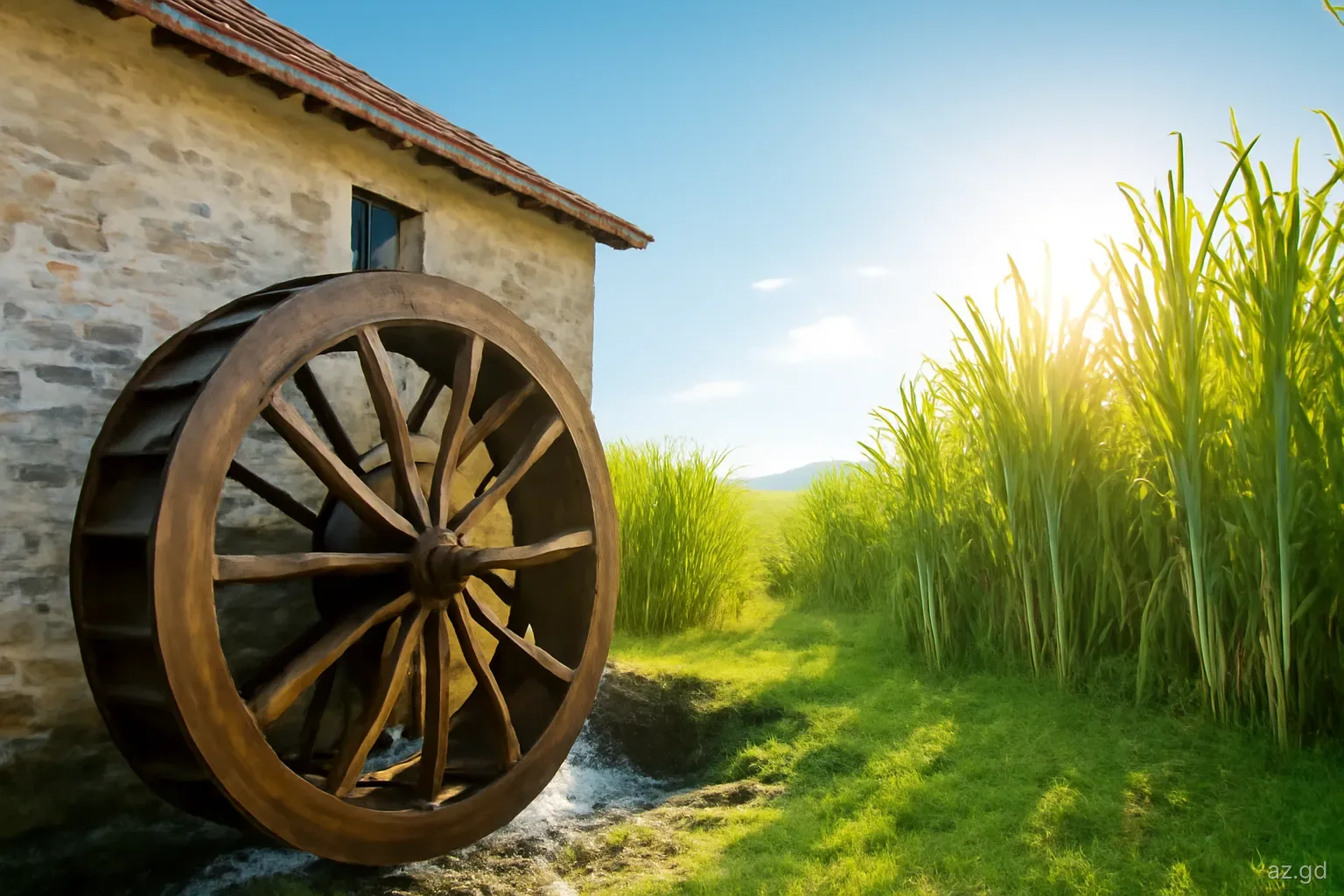
River Antoine sits on an estate in St Patrick's, in the north-east of Grenada, and it makes rum in a way most distilleries abandoned more than a century ago. A river-fed water wheel turns the mill that crushes the cane, the boilers are fired with the crushed cane fibre (bagasse), and the fermented juice is distilled in pot stills before being bottled as Rivers rum. Rum has been made on the estate since 1785, and it is widely described as the oldest functioning water-powered distillery in the Caribbean.
It is not a polished visitor attraction with a gift shop and a film. It is a working rural factory that lets people walk through. That is exactly why it is worth the drive, but it also means a little planning helps: when to go, how to get there, what the tasting involves and why one of the two rums you will taste cannot go in your suitcase.
How the rum is made at River Antoine
Most rum in the world, including most rum made elsewhere in Grenada, is distilled from molasses, the by-product of sugar refining. River Antoine works from fresh cane juice. Cane from the estate and from neighbouring farms is fed through rollers driven by the water wheel, and the juice runs by gravity into the boiling house. The leftover fibre is dried and burned to heat the stills, so very little goes to waste.
The juice is fermented in open tanks with wild yeast rather than a cultured strain, which is one reason Rivers rum has its funky, grassy, slightly vegetal character. After fermentation the wash goes into pot stills, and the spirit is bottled unaged as a clear white rum. There is no long cellar of barrels to admire here; the interest lies in the machinery and the process.
Because the distillery depends on cane, the busiest period follows the harvest, broadly the drier first half of the year. Outside that window you will still see the wheel, the mill and the boiling house, but the crushing and distilling you see may be limited. If watching cane go through the rollers matters to you, ask your guide or the estate before you set a date.
Rivers rum: the two strengths and what they mean
The island bottle is around 75% ABV. This is the version most Grenadians mean when they say Rivers, and it is properly strong: roughly 150 proof. It is sipped in very small amounts with a water chaser or mixed. It is not a rum for drinking like a whisky.
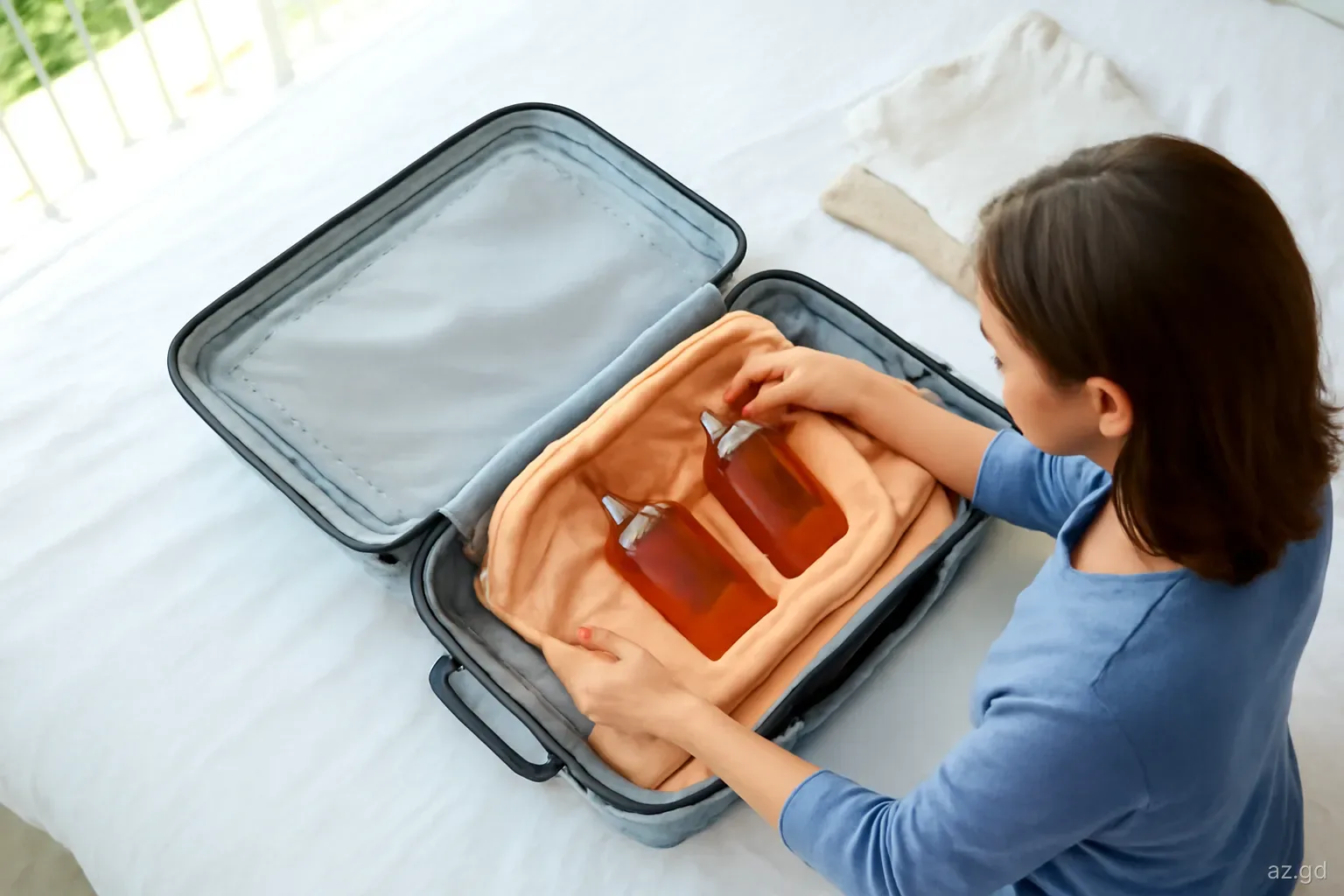
The travel bottle is around 69% ABV. The estate also bottles a slightly weaker version, about 138 proof, which sits just under the international limit for carrying spirits on aircraft. If you want to bring Rivers home, this is the bottle to buy.
The 70% line is a hard rule, not a guideline. Airline dangerous-goods rules prohibit spirits above 70% alcohol in both cabin and checked baggage. Security staff do read the strength on the bottle. A 75% Rivers found in your bag will be confiscated, and airlines can refuse to carry the bag.
Rivers is rarely seen outside Grenada. It is made in small volumes and sold mostly on the island, so a bottle is a genuine souvenir. Supermarkets and rum shops across Grenada stock it, often at a lower price than at the distillery itself.
Planning the visit, step by step
River Antoine is a long way from the hotel belt around Grand Anse, so build the day around it rather than squeezing it in.
- Confirm it is open. Tours have historically run on weekdays during working hours, not on weekends or public holidays. Ask your accommodation or a tour operator to check the current days and times, because listings online disagree.
- Choose your transport. By road it is roughly an hour and a half from St George's, either up the west coast through Gouyave and Sauteurs or across via Grenville. Route buses reach Sauteurs and Grenville, but the last stretch is rural, so most visitors use a taxi, a hire car or an island tour.
- Bring cash. Expect a modest entry fee in EC dollars and plan to buy any rum in cash. Card machines cannot be assumed in rural St Patrick's.
- Allow about an hour on site. The walk-through is short, but you will want time to look at the wheel and the boiling house and to ask questions.
- Sort out the driver before the tasting. If you hired a car, decide who is driving home before anyone tastes a 75% spirit.
What else to combine it with in St Patrick's
The north-east has enough to fill a full day, and the roads between these stops are short.
- Lake Antoine, a crater lake a few minutes away, is a quiet place to stretch your legs and watch for birds.
- Belmont Estate, a historic cocoa and nutmeg estate near Hermitage, offers tours and a restaurant serving local food at lunchtime; check opening days in advance.
- Bathway Beach and Levera lie on the far north-east tip. Bathway has a reef-sheltered swimming area; Levera is wilder, and parts are closed during turtle nesting season.
- Sauteurs and Leapers Hill (Caribs' Leap) tell the story of the Kalinago resistance and give a clear view north towards the Grenadines.
- The east coast road back via Grenville lets you see Grenada's second town and its market area on the way south.
Mistakes visitors make at River Antoine
The most common one is treating the tasting as a generous pour. Staff usually offer a small sample of each strength, and that is more than enough. A few sips of a spirit this strong on an empty stomach in the midday heat can leave a visitor unsteady for the drive back through winding hill roads. Eat before you go, and drink water.
The second is buying the wrong bottle for the flight home, covered above. The third is expecting a museum. Floors are uneven, some areas are hot and smoky when the stills are running, and the machinery is old and genuinely in use. Wear closed shoes, keep children close and follow the guide's directions about where to stand.
Finally, photography is generally welcome, but ask before photographing workers at close range. This is their workplace, not a set, and a little courtesy goes a long way in rural Grenada.
Why the estate matters in Grenada's rum story
Sugar was the backbone of Grenada's plantation economy for much of the eighteenth and nineteenth centuries, and nearly every estate of any size once had a mill and a still. As cocoa and nutmeg overtook sugar, most of those mills fell silent, their stone towers left standing in the bush. River Antoine is one of the very few that never stopped. Over more than two centuries the estate passed through several owners, and since 1988 it has been in Grenadian hands.
Its survival matters beyond nostalgia. Grenada's main sugar factory at Woodlands stopped grinding local cane in the early 2000s, and most rum on the island is now made from imported molasses. River Antoine still buys cane from small farmers in St Patrick's and St Andrew's, which keeps a little cane farming alive in the north-east. When you buy a bottle of Rivers, part of the money goes back into that local chain.
It also explains the character of the place. Nothing here was designed for visitors; the buildings, channels and machinery are where they are because that is where the water runs. Seeing it that way, as a piece of working agricultural history, makes the short tour far more interesting than any polished exhibit.
Frequently asked questions
Is River Antoine Rum Distillery open every day?
Tours have traditionally run on weekdays during daytime working hours, with no tours on weekends or public holidays. Published hours vary between sources, so confirm current days and times through your hotel, a tour operator or the Grenada Tourism Authority before driving to St Patrick's.
Can you take Rivers rum on a plane?
Only the version at around 69% alcohol. The 75% bottle exceeds the 70% limit set by airline dangerous-goods rules and is banned from both hand luggage and checked bags. The 69% bottle can go in checked luggage, subject to quantity limits and your destination's customs allowances.
How long does a visit take?
The guided walk-through is usually under an hour, including the short tasting. With travel from the south of the island, allow at least half a day, or make it part of a full north-east day with Belmont Estate, Lake Antoine and Bathway Beach.
Is River Antoine suitable for children?
Children can do the walk-through with an adult, and many find the water wheel fascinating. The site is a working factory with old machinery, hot areas and uneven ground, so keep them close. The tasting, naturally, is for adults only.
Why does Rivers rum taste so different from other rums?
It is distilled from fresh cane juice rather than molasses, fermented with wild yeast in open tanks and bottled unaged. That gives it a grassy, earthy and pungent character closer to some French Caribbean cane rums than to the smooth molasses rums many visitors know.