Ask for callaloo in Jamaica and you will get a leafy amaranth. Ask for it in Grenada and you will get the young leaves of the dasheen plant, the same plant that produces the starchy dasheen root. The difference matters, because dasheen leaves behave very differently in the pot and must be cooked properly or they leave an itchy, prickling feeling in the mouth and throat.
Callaloo is everywhere in Grenadian cooking. It is the green lid on top of an oil down, the base of a thick, velvety soup, and a side dish on a Sunday plate. Bundles of leaves are sold at Market Square in St George's and at roadside stalls across the island, and many households simply pick them from the dasheen growing in the yard.
This guide explains what Grenadian callaloo is, how to choose and prepare it, a standard method for callaloo soup and the mistakes newcomers make.
What callaloo means in Grenada
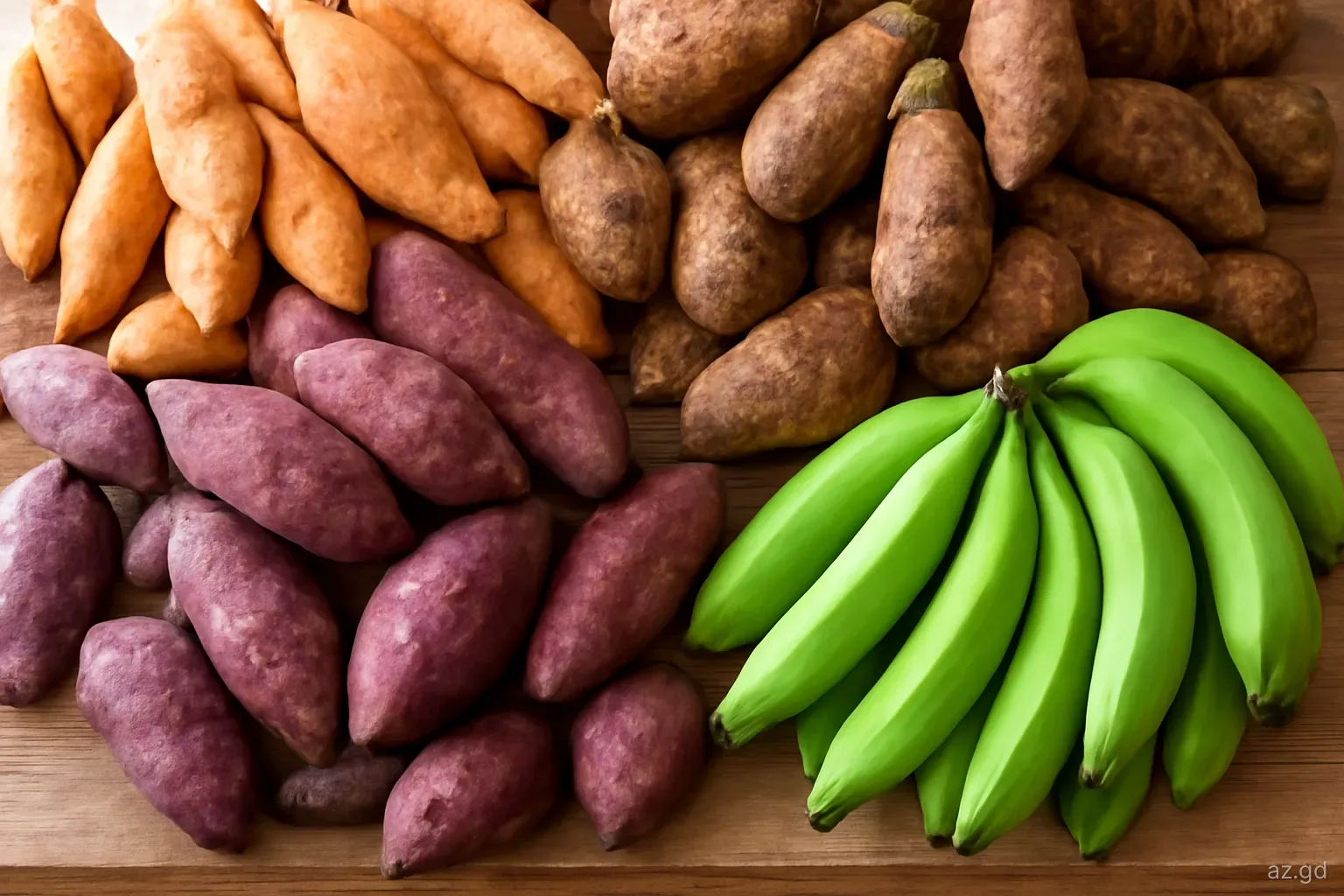
Across the Caribbean the word callaloo refers to different greens and to the dishes made with them. In Jamaica it means amaranth. In Trinidad and Tobago it is both the dasheen leaf and the famous blended dish of leaves, okra and coconut milk. In Grenada it means the leaf of dasheen (a type of taro, Colocasia esculenta), and by extension the soup and side dishes made from it.
Dasheen is grown in wet, fertile ground, often in the valleys of St Andrew, St David and St John, and on small plots and in backyards everywhere. The plant has large heart-shaped leaves on long stalks. For callaloo, cooks prefer the young leaves that have just unfurled: they are tender, bright green and cook down quickly. Older leaves are tougher and more likely to cause irritation.
Callaloo has a mild, earthy, slightly mineral taste, somewhere between spinach and chard. It holds up well to long cooking and absorbs coconut milk and seasoning, which is why it suits Grenadian one-pot cooking so well.
Why raw callaloo itches, and how to avoid it
Dasheen leaves and stems contain tiny needle-like crystals of calcium oxalate. Eaten raw or undercooked, they cause a scratchy, stinging sensation in the mouth and throat that can last for some time. This is the single most important thing to know about callaloo: it is never eaten raw and never served lightly wilted like spinach.
Thorough cooking breaks down the problem. Grenadian cooks typically simmer callaloo for at least 20–30 minutes in liquid, often with something acidic or with coconut milk, until the leaves have collapsed into a soft, dark-green mass. Peeling the thin outer skin off the stalks and removing the thick central vein of older leaves also helps.
Some people find their hands itch after handling the stalks, particularly when peeling them. Rubbing a little oil on your hands first, or wearing thin gloves, prevents this. If someone does experience mouth irritation from undercooked leaves, a cold drink and time usually settle it; persistent swelling or difficulty breathing needs medical attention, and the emergency number in Grenada is 911.
A standard method for callaloo soup
Callaloo soup is one of the most common ways Grenadians eat the leaf. Recipes vary from home to home; this is the general method, which serves about four.
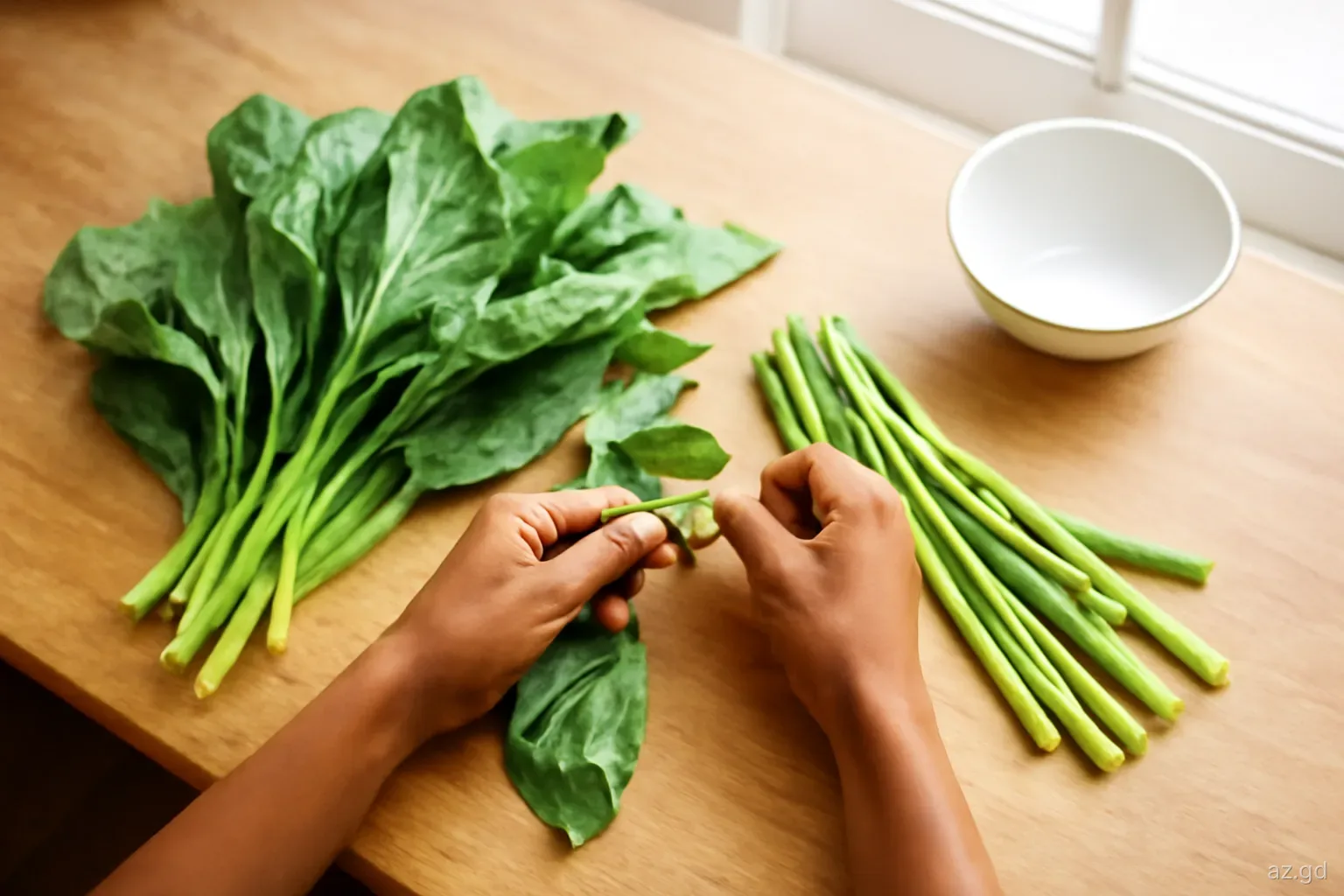
- Take a large bundle of young callaloo leaves (roughly a dozen leaves with stalks). Wash well, peel the skin from the stalks, and chop leaves and stalks roughly.
- Soften a chopped onion, a few cloves of garlic, chive and thyme in a little oil in a heavy pot.
- Add the callaloo, a handful of sliced okra and, if you like, a piece of salted meat or a crab that has been cleaned and broken into pieces.
- Pour in coconut milk and enough water or stock to cover. Drop in a whole hot pepper, unbroken.
- Simmer gently for 30–40 minutes, stirring now and then, until the leaves are completely soft and the okra has thickened the liquid.
- Remove the pepper and any bones. Many cooks then swizzle or blend the soup until smooth; others leave it chunky. Season with salt and black pepper, and add a squeeze of lime at the table.
Other ways callaloo appears on Grenadian plates
In oil down. The leaves are laid over the top of the pot to steam and wilt into the coconut sauce. Callaloo is considered an essential part of a proper oil down.
As a side dish. Chopped callaloo cooked down with onion, garlic, a little coconut milk or butter and sometimes saltfish is a regular side on Sunday lunch plates, alongside macaroni pie, rice and peas or ground provisions.
With crab. Crab and callaloo is a traditional pairing, especially in coastal villages where land crabs or sea crabs are caught. The crab gives the leaves a sweet, rich flavour.
In soups and broths. Callaloo leaves are added to Saturday soups with ground provisions and dumplings, giving colour and body.
In modern cooking. Some restaurants and home cooks use callaloo in quiches, savoury pastries and pasta sauces, treating it like spinach but always cooking it through first.
Buying callaloo at the market
Callaloo is sold in tied bundles at Market Square in St George's, at the Grenville market, at Saturday roadside stalls and in many supermarkets. It is usually cheap: a bundle is often a few EC dollars, though prices rise in dry spells and should be checked on the day.
Look for young, glossy leaves without holes, yellowing or black spots, and stalks that snap rather than bend. Very large, dark leaves are older and tougher. Callaloo wilts quickly in the heat, so buy it the day you plan to cook or keep it wrapped in a damp cloth in the refrigerator for a day or two at most.
Many long-stay residents end up growing their own. Dasheen is easy to establish from a piece of corm or a sucker planted in damp, rich soil, and a small patch in a wet corner of the yard will supply leaves for months. Pick the young central leaves and leave the older outer ones to keep the plant growing. In the dry season, from roughly January to May, plants need watering or a naturally moist spot, and market supply can tighten, which is when bundles become smaller or dearer.
If you are not sure, ask the vendor whether the leaves are good for soup. Market vendors in Grenada are generally happy to explain how they cook their produce, and some will tie a "soup bundle" with herbs, okra or other vegetables if asked.
Common mistakes with callaloo
Most problems with callaloo come from treating it like an imported leafy green. Watch out for these:
- Undercooking. Callaloo cooked for five minutes like spinach will itch. Give it at least 20–30 minutes of simmering.
- Using the wrong leaf. Not every large heart-shaped leaf is dasheen. Several ornamental relatives, often called elephant ears, grow in gardens and are not for eating. Buy from a vendor or ask a local grower if you are unsure.
- Leaving the stalk skin on. The thin outer skin of the stalk is fibrous and irritating; peel it off.
- Adding salt too early. If salted meat or saltfish is in the pot, taste before adding any salt.
- Assuming Jamaican recipes apply. Recipes that call for callaloo from Jamaica mean amaranth, which cooks quickly. They need adjusting for dasheen leaves.
- Keeping it too long. Cooked callaloo keeps for a day or two in the refrigerator; reheat it thoroughly.
Frequently asked questions
Is callaloo the same as spinach?
No. Grenadian callaloo is the young leaf of the dasheen plant, a type of taro. It tastes somewhat like spinach but contains calcium oxalate crystals and must be cooked for much longer. Spinach can be substituted in recipes abroad, but the flavour and texture are different.
Why does my throat itch after eating callaloo?
The leaves were probably undercooked. Dasheen leaves contain needle-shaped calcium oxalate crystals that irritate the mouth and throat unless thoroughly cooked. Simmering for 20 to 30 minutes or longer, and peeling the stalks, normally prevents the problem.
Where can visitors try callaloo soup?
Callaloo soup appears regularly on menus of local restaurants and at hotel Grenadian buffets, and it is often served as a starter at Sunday lunch. Small eateries in St George's and the country towns sell it on certain days; asking locally is the quickest way to find it.
Can callaloo leaves be packed in luggage for a flight home?
Fresh leaves are generally not allowed into the United States, United Kingdom, Canada or the European Union without permits, because of plant health rules. Dried or canned callaloo products may be treated differently. Check the rules of your destination country before packing anything fresh.
Is callaloo nutritious?
Like other dark leafy greens, callaloo is a good source of vitamins A and C, iron and fibre. Coconut milk and salted meat make many traditional dishes rich and salty, so the healthiest versions use less salt meat and more vegetables.