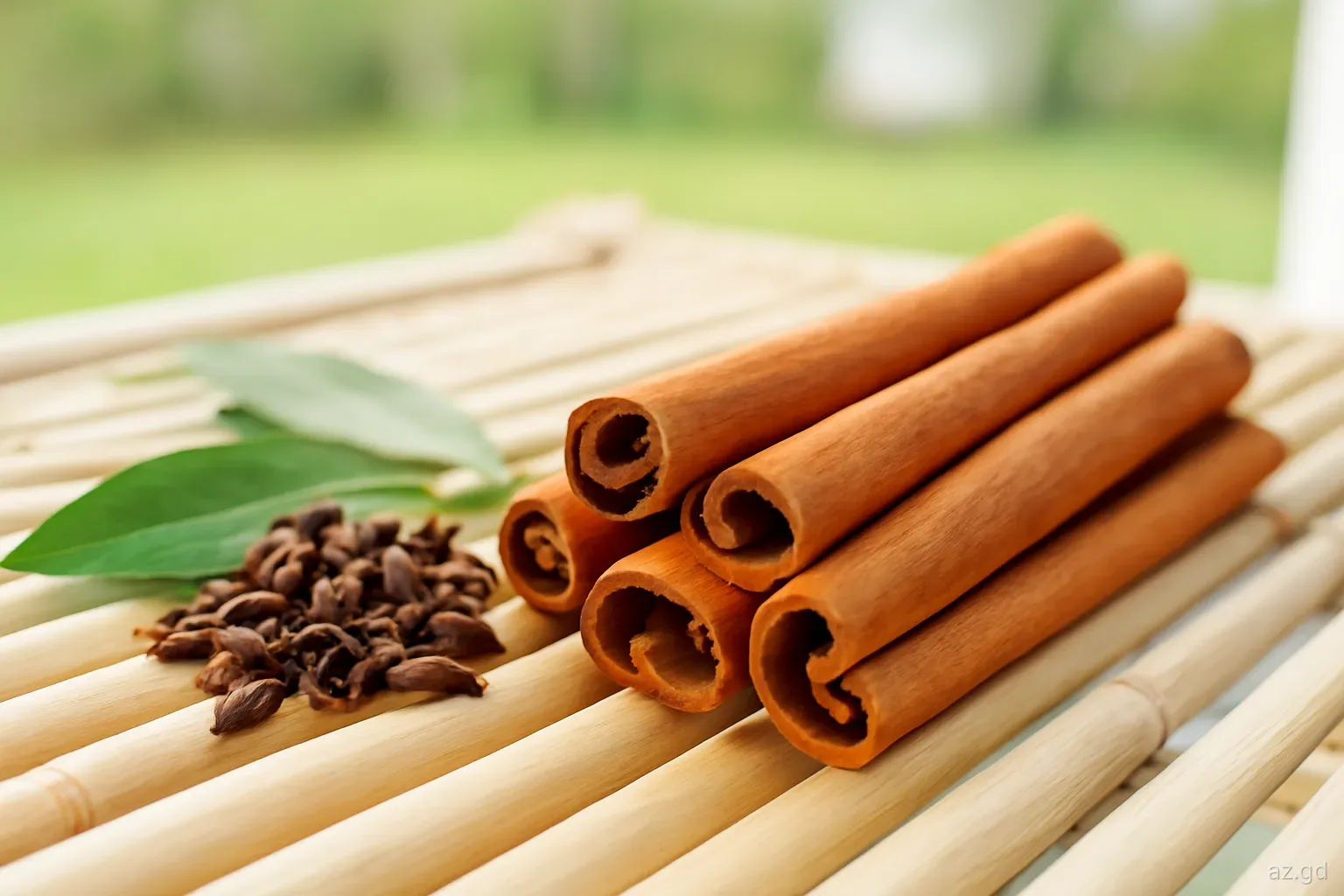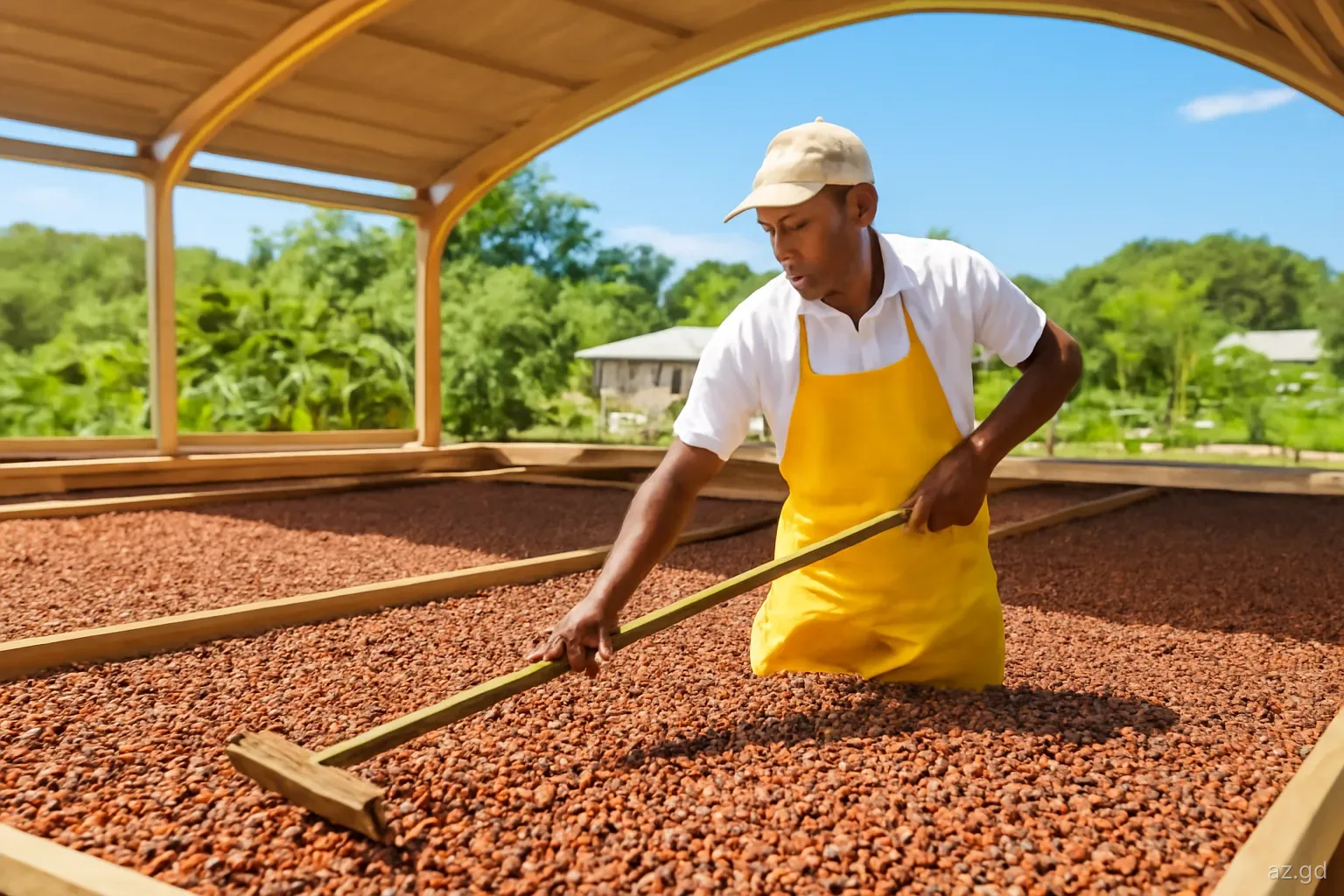
The Gouyave Nutmeg Processing Station, in the fishing town of Gouyave in St John, is one of the few places in the world where visitors can watch nutmeg and mace being processed by hand on an industrial scale. Run by the Grenada Cooperative Nutmeg Association (GCNA), it is a working facility rather than a museum: sacks of nutmegs, drying racks, sorting tables and the warm, heavy smell of spice fill an old building in the centre of town.
A visit is short, usually half an hour or so, and inexpensive. It is not polished, and it depends on what work is happening that day. But it explains more about the Spice Isle than any souvenir shop, and it is easy to combine with other stops on the west coast.
This guide covers what the station is, how to get there, what the tour shows, timing and costs, nearby stops and the mistakes visitors make.
What the station is
The GCNA is a farmers' cooperative that buys nutmeg and mace from growers, processes them and sells them on the export market. Farmers deliver their crop to receiving stations around the island, and the nuts and mace are then processed centrally. The Gouyave station is the one most visitors see, and it has long been the main processing centre.
Before Hurricane Ivan in 2004, the industry was larger and more than one processing plant operated. Ivan destroyed most of the island's nutmeg trees, production collapsed and processing capacity was reduced. The industry has been rebuilding since, and the Gouyave station remains the centre of that effort, processing nutmeg and mace for buyers abroad.
Because it is a working site, what you see depends on the day. Some days the sorting tables are busy; on others there is less activity. The essential processes — drying, cracking, sorting by flotation, grading and bagging — are explained by guides whatever is happening on the floor.
Why sorting and grading matter
Grenadian nutmeg is sold on its quality, and much of what happens in the station is about consistency. Buyers abroad, from spice traders to food manufacturers, pay according to grade: size, soundness, colour and freedom from mould or insect damage. Hand sorting removes shrivelled, broken and damaged kernels that machines miss, and flotation separates dense, oil-rich nutmegs from light, defective ones.
Mace is graded separately, mainly on colour and whether the blades are whole or broken. Whole, bright blades command the best prices; broken pieces and paler material go into lower grades. The rejected and defective nutmegs are not wasted: they can be sold for distilling nutmeg oil, which is used in flavourings, perfumes and the pain-relief products made locally.
Seeing the scale of this hand work helps explain why good Grenadian nutmeg is valued abroad, and why the industry depends so heavily on skilled labour and on the farmers who keep delivering crop.
Getting there
Location. The station is in the centre of Gouyave, on the west coast road in the parish of St John, a short walk from the main street and the waterfront.
By car or taxi. Gouyave is roughly 40 minutes to an hour north of St George's along the winding west coast road, depending on traffic. Parking is limited in the narrow town streets; drivers usually stop briefly nearby.
By route bus. West coast route buses leave from the bus terminal in St George's and pass through Gouyave on their way north. They are cheap and frequent in the daytime; ask the conductor to let you off in Gouyave and walk to the station.
On a tour. Many island tours include the station on a west coast or spice-themed itinerary, often with Concord Falls, a cocoa estate or a rum distillery. Admission may be included in the tour price.
From cruise ships. Cruise passengers usually reach it on organised tours or by taxi from the cruise terminal in St George's; check the return time carefully, as the road is slow.
What the tour shows, step by step
Guides typically walk visitors through the building in the order the nutmegs move through it. The exact route varies, but the process is broadly this:
- Receiving. Nutmegs in their shells arrive from farmers and receiving stations and are weighed and recorded.
- Drying. The nuts are spread on large wooden racks in tiers and left to dry for several weeks, turned regularly. As they dry, the kernel shrinks and rattles inside the shell.
- Cracking. Dried nutmegs are cracked, traditionally by machine, to release the kernels.
- Sorting by flotation. Kernels are put in water. Sound, dense nutmegs sink; lighter, defective ones float and are separated, usually for oil distillation or lower grades.
- Grading. The good nutmegs are sorted by hand, mostly by women working at long tables, and graded by size and quality.
- Mace. Mace is dried and cured in a separate area, then graded by colour and wholeness.
- Bagging. Graded nutmegs and mace are packed in sacks for export.
Timing, fees and practicalities
The station is a weekday operation. It is generally closed at weekends and on public holidays, and hours can change, so confirm with your tour operator, hotel or the GCNA before making a special trip. Mornings are usually the best time to see sorting and grading in progress.
A small admission fee is charged for the guided tour, historically a few EC dollars, and it may already be included if you come with a tour. Have small EC notes ready, as change can be limited. A tip for the guide is appreciated but not compulsory.
The building is old and the floors can be uneven or dusty; wear closed shoes if possible. Photography is usually permitted, but ask before taking close-up pictures of workers, and avoid using flash in their faces. Visits are short, so it fits easily into a half-day itinerary. The station sometimes sells small packets of nutmeg and mace, but stock varies; spices are also available at the estates and at Market Square in St George's.
What to combine it with on the west coast
Gouyave is a natural stop on a day exploring St John and the north-west. Common combinations include:
- Concord Falls. A series of waterfalls inland from the west coast road south of Gouyave, with a short walk to the first fall.
- Dougaldston Estate. An old spice and cocoa estate just outside Gouyave where visitors can see traditional drying sheds and buy spices.
- Gouyave town. The waterfront, fishing boats and churches. Gouyave is known as the fishing capital of Grenada, and its Friday-night seafood street event, Fish Friday, has run on a smaller scale since the pandemic; check it is on before planning around it.
- Diamond Chocolate Factory. A chocolate maker near Victoria, St Mark, a short drive further north.
- Sauteurs and Leapers Hill. At the northern tip, with history and views over the Grenadines.
Mistakes visitors make
The station is rewarding for anyone curious about how the Spice Isle earns its name, but expectations matter, and these are the commonest disappointments:
- Turning up at the weekend. It is usually closed on Saturdays, Sundays and public holidays.
- Expecting a museum. This is a working facility with basic signage. The guide is the key to understanding what you see.
- Arriving late in the day. Afternoons may be quieter on the floor; mornings show more activity.
- Running short on cash. Bring small EC notes for the fee, tips and any spices.
- Underestimating the drive. The west coast road is slow and winding. Allow plenty of time, especially if returning to a cruise ship.
- Photographing workers without asking. Staff are working; ask first.
Frequently asked questions
How much does it cost to visit the Gouyave Nutmeg Processing Station?
There is a small admission fee, historically a few EC dollars per person, and it is often included in the price of organised tours. Fees can change, so confirm locally. Bring small EC notes for the fee and for tipping the guide.
Is the Gouyave nutmeg station open at weekends?
Generally no. The station is a working facility that usually operates on weekdays and closes on weekends and public holidays. Confirm hours with your hotel, tour operator or the GCNA before travelling, as schedules can change.
How long does a visit take?
A guided visit usually takes about 30 minutes, sometimes a little longer if there is a lot of activity or many questions. It fits easily into a half-day or full-day trip along the west coast.
Can nutmeg be bought at the station?
Small packets of nutmeg and mace are sometimes available, but stock varies. Spices are also widely sold at estates such as Dougaldston and Belmont, at Market Square in St George's and in supermarkets.
How do you get to Gouyave by bus?
Take a west coast route bus from the bus terminal in St George's heading north. Buses pass through Gouyave regularly during the day. Ask the conductor to drop you in town; the station is a short walk from the main road.