Grenada is one of the main places in the southern Caribbean to haul a yacht, whether for a quick bottom job, a refit or months of storage. The yards are concentrated on the south coast, with two more in Carriacou, and between them they can lift everything from small monohulls to wide catamarans. Around them has grown a network of riggers, sailmakers, canvas workers, mechanics, refrigeration engineers and chandleries that makes serious work possible without shipping the boat elsewhere.
Hauling out still takes planning. Yards book up at the start and end of the hurricane season, imported parts take time to arrive, and each yard has its own rules on contractors, liveaboards and environmental practice. This page explains how the yards work and what to settle before you commit.
The main yards
Spice Island Marine Services, Prickly Bay. Beside Prickly Bay Marina on the south coast, convenient for the busiest anchorage on the island and its services. A long-established yard used heavily by visiting cruisers.
Grenada Marine, St David's Harbour. A large yard in a quiet bay on the south-east coast, with extensive storage space and in-house trades. Its distance from St George's means more reliance on taxis or a hire car.
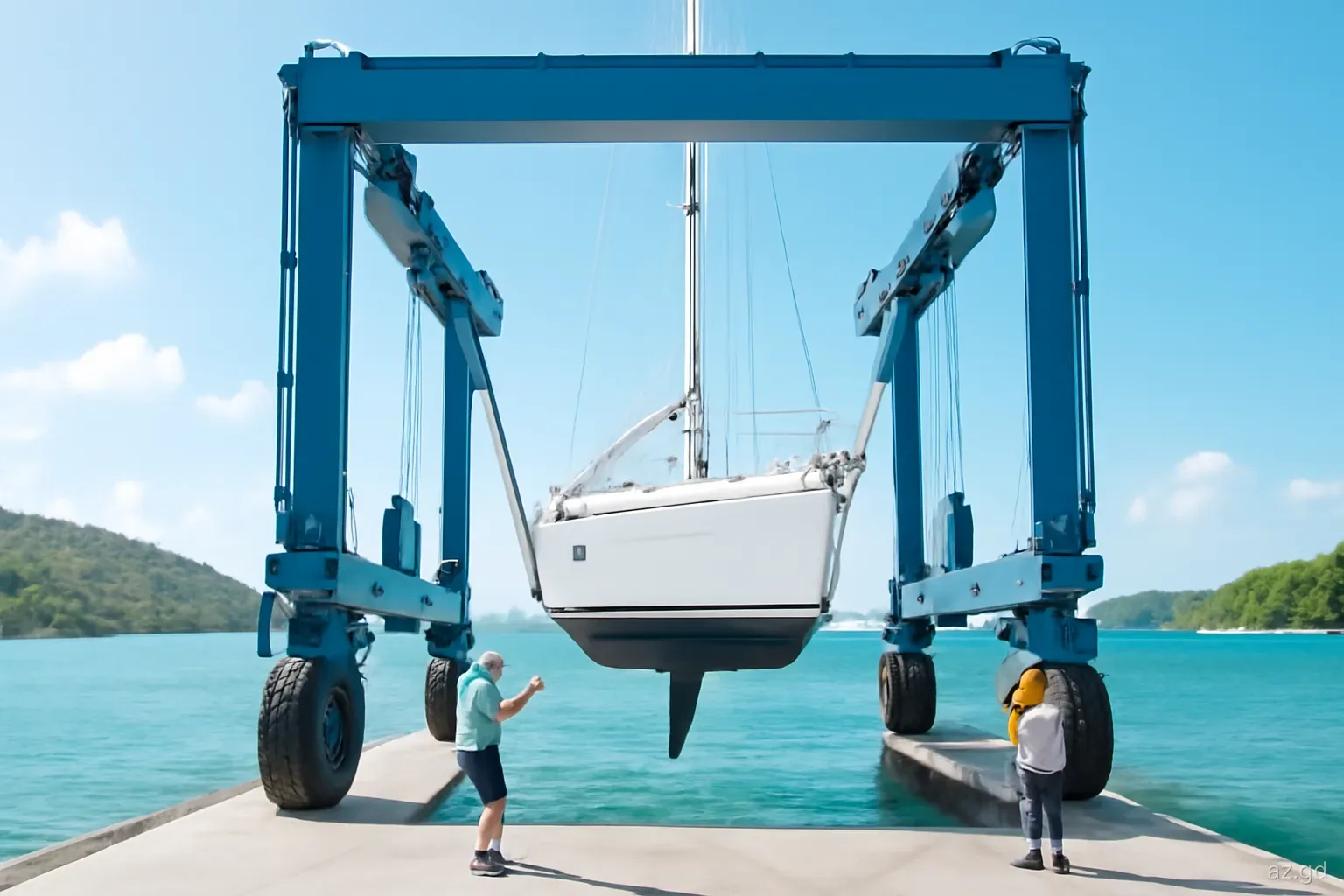
Clarkes Court Boatyard and Marina, Woburn Bay. Known for a travel lift wide enough for large catamarans, with a marina attached and sheltered water around it.
Carriacou Marine, Tyrrel Bay. Carriacou's yard and fuel dock, with customs on site. Tyrrel Bay also has a second haul-out yard. Both took heavy damage from Hurricane Beryl in July 2024; check current capacity and services.
Capacity varies. Maximum length, beam, draft and weight differ between yards and between lifts within a yard. Send your exact dimensions and displacement before booking, and mention anything unusual such as a keel-stepped mast or lifting keel.
How pricing and booking work
Yards usually charge a haul-out and relaunch fee calculated by the boat's length, sometimes with a separate charge for pressure washing, plus daily or monthly storage on the hard, again by the foot. Stands, cradles, tie-downs, electricity and water are often billed as extras. Long-term and hurricane-season storage are normally priced as monthly packages, sometimes with a discount for paying in advance.
Book early for the busy periods. The weeks either side of 1 June, when boats come out for the hurricane season, and November and December, when they go back in, are the tightest. Outside those windows you can sometimes arrange a haul-out within days, but a slot on the lift does not guarantee that the contractor you want is free.
Ask for a written quote and a list of the yard's rules before you arrive. Prices are commonly in US dollars or EC dollars, with VAT added on top in many cases, and card fees can apply. Quotes change with the season, and figures from cruising forums go out of date quickly.
Doing your own work versus hiring trades
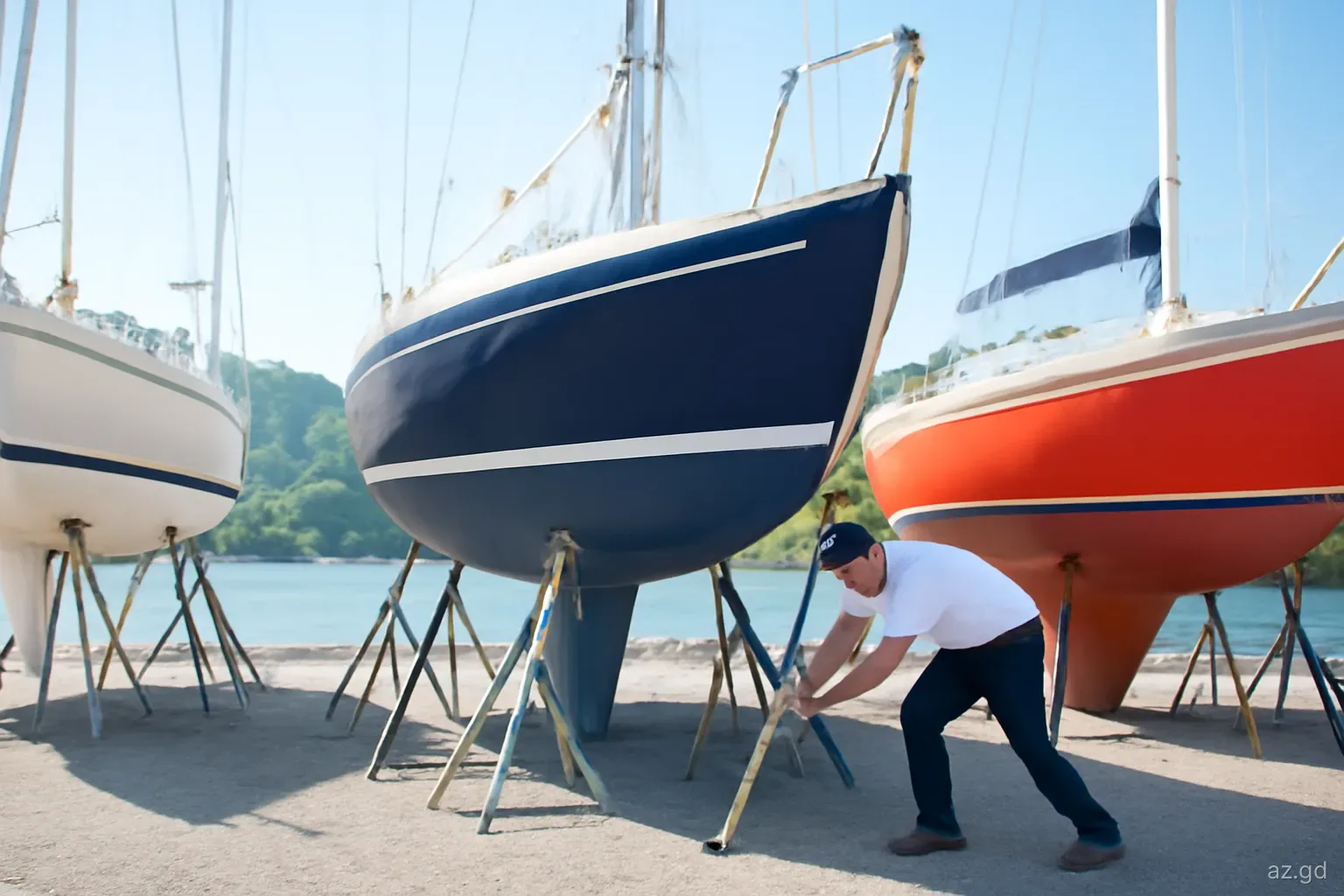
DIY is usually allowed, with limits. Most Grenada yards let owners work on their own boats, but some restrict certain jobs, such as spray painting or major fibreglass work, to approved contractors, and many require that sanding and painting use dust-control methods.
Outside contractors. Some yards allow independent contractors only if they are registered with the yard, carry insurance, or pay a daily fee. Others require you to use in-house staff for particular trades. Ask before you hire someone you met in the anchorage.
Work permits apply to people, not just businesses. Visiting crew may work on their own boat, but doing paid work on other people's boats without a work permit is not allowed. Yards and the authorities take this seriously.
Get estimates in writing. For any significant job, agree the scope, price, timescale and who supplies parts. Misunderstandings over who orders what are the commonest cause of disputes.
The trades around the yards
Grenada's yachting industry supports a wide range of specialist businesses, most of them clustered near Prickly Bay, True Blue and the eastern south-coast bays, with a smaller group in Carriacou. Riggers, sailmakers and canvas makers, diesel and outboard mechanics, electricians, refrigeration and watermaker specialists, fibreglass and gelcoat workers, welders and woodworkers are all available, along with chandleries stocking the common consumables.
The best way to find someone reliable is through the yard office and the morning cruisers' net, where recommendations and warnings circulate freely. Good tradespeople are busy in the peak months, so line them up before the haul-out date rather than after the boat is on stands.
Some jobs are still better done elsewhere. Large structural repairs, complex electronics or specialist engine work occasionally need parts or expertise that are easier to find in Trinidad, Martinique or further afield. Ask the yard frankly whether a job is within local capability before committing.
Parts, imports and duty-free for yachts in transit
Much of what you need is in local chandleries, but specialist parts are usually imported. How you bring them in makes a large difference to cost.
- Yachts in transit can generally import parts and equipment for their own vessel free of duty, provided the paperwork shows the goods are for that yacht. Address shipments with the yacht's name and your name, marked as yacht in transit.
- Customs brokers, often recommended by the yard or marina, clear the shipment and handle paperwork for a fee. Many cruisers find this faster than doing it themselves.
- Shipping is usually by air courier or by consolidated freight from Miami, which is cheaper but slower. Allow one to three weeks depending on the route.
- Keep invoices and the yacht's cruising permit details to hand; customs may ask for both.
- Batteries, paint, flares and other hazardous goods have shipping restrictions; check before ordering.
- Do not order parts for friends on other boats under your yacht's name; duty-free status applies to your vessel only.
Living aboard on the hard
Several Grenada yards allow owners to live aboard while the boat is ashore, usually for a daily fee and subject to rules about ladders, waste water and noise. Others do not, or restrict it to short periods. Toilets on board cannot be used on the hard, so you will depend on the yard's washrooms, and showers and laundry facilities vary from good to basic.
Life on the hard in summer is hot, dusty and buggy. Mosquitoes and no-see-ums breed in standing water and mangroves near some yards, so screens for every hatch and a fan are essential. Many owners rent a nearby apartment for the worst of the work, especially during sanding and painting.
Security in the yards is generally good, with gated access and night watchmen at the larger ones, but lock the companionway and remove the ladder at night if you are ashore.
Mistakes that cost owners time and money
The same avoidable problems turn up every season in Grenada's yards.
- Booking a haul-out without confirming the lift can take the boat's beam and weight.
- Assuming parts will arrive in a few days; customs clearance and freight schedules add time.
- Hiring an unregistered contractor and then finding the yard will not let them work.
- Leaving the hurricane-season storm plan and tie-down arrangements unspecified in the contract.
- Forgetting to suspend or settle the cruising permit; customs allows the permit to be paused for haul-out periods, but it has to be arranged.
- Underestimating the climate: varnish, epoxy and paint behave differently in high heat and humidity, and summer afternoon rain can ruin a fresh coat.
- Relaunching without checking through-hulls, the stern gland and the engine raw-water intake before the boat leaves the slings, then discovering a leak at the dock.
Frequently asked questions
How much does it cost to haul out in Grenada?
It depends on length, beam, the yard and the season. Expect a haul and launch fee by the foot, daily or monthly storage charges, and extras such as pressure washing, stands, tie-downs and power. Ask each yard for a written quote including VAT, since prices change from season to season.
Can you work on your own boat in Grenada boatyards?
Usually yes, for owners and their crew. Some jobs may be restricted to approved contractors, and environmental rules on sanding and painting apply. Paid work on other boats by visiting crew is not allowed without a work permit.
Which Grenada boatyard can lift a large catamaran?
Clarkes Court Boatyard in Woburn Bay is known for a travel lift wide enough for large catamarans, and other yards have lifts or trailers for multihulls of various sizes. Always send exact beam and weight figures before booking to confirm.
Can you live aboard while hauled out?
At several yards, yes, usually for a daily fee and with rules on facilities and waste. Some yards do not allow it, or only for short periods. Expect heat, dust and insects in summer, and plan to use shore toilets and showers.
How do you get boat parts sent to Grenada?
Ship them addressed to your yacht, marked yacht in transit, by air courier or consolidated freight from Miami. A customs broker can clear them, usually free of duty for a yacht in transit. Allow one to three weeks, and keep invoices and cruising permit details ready.