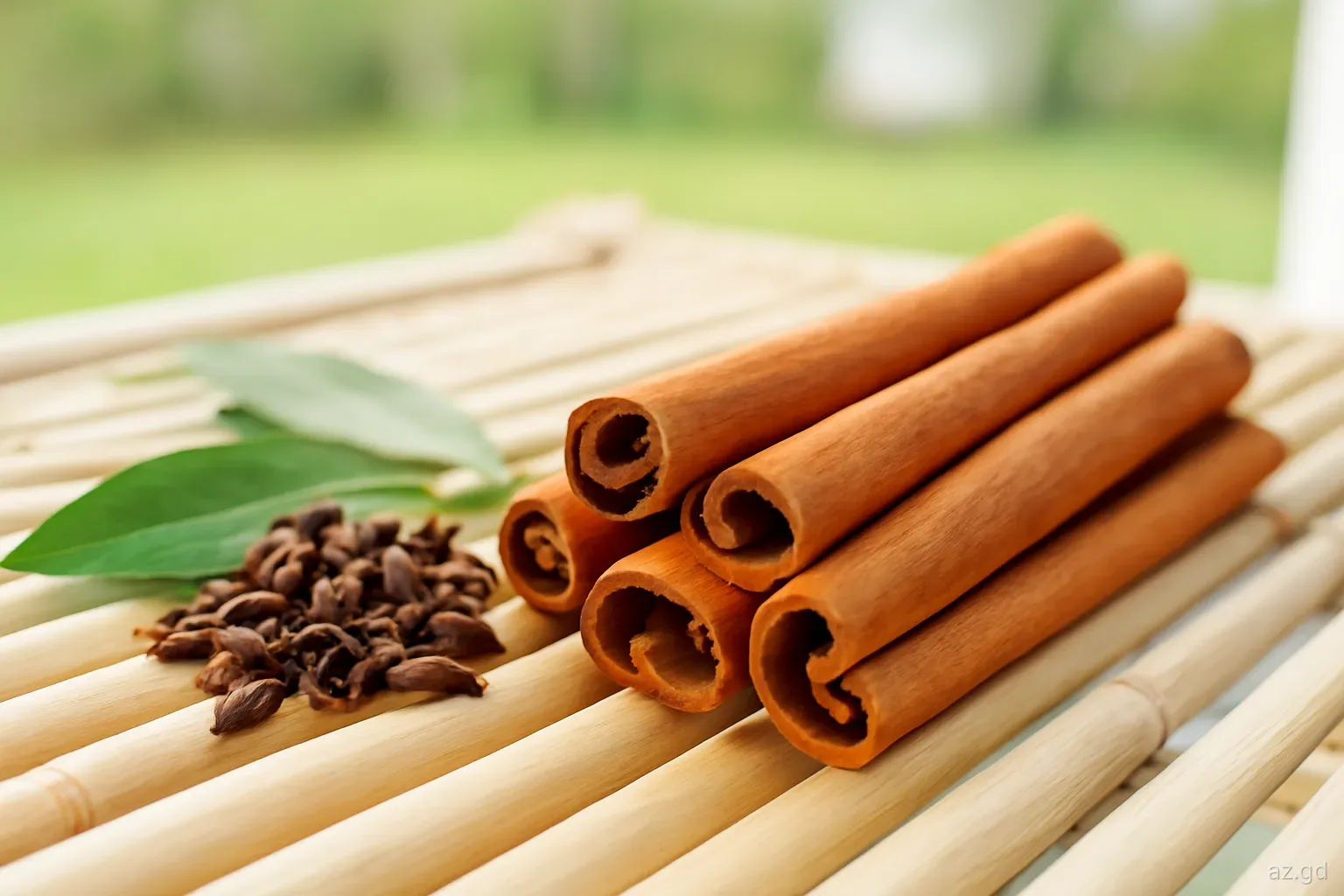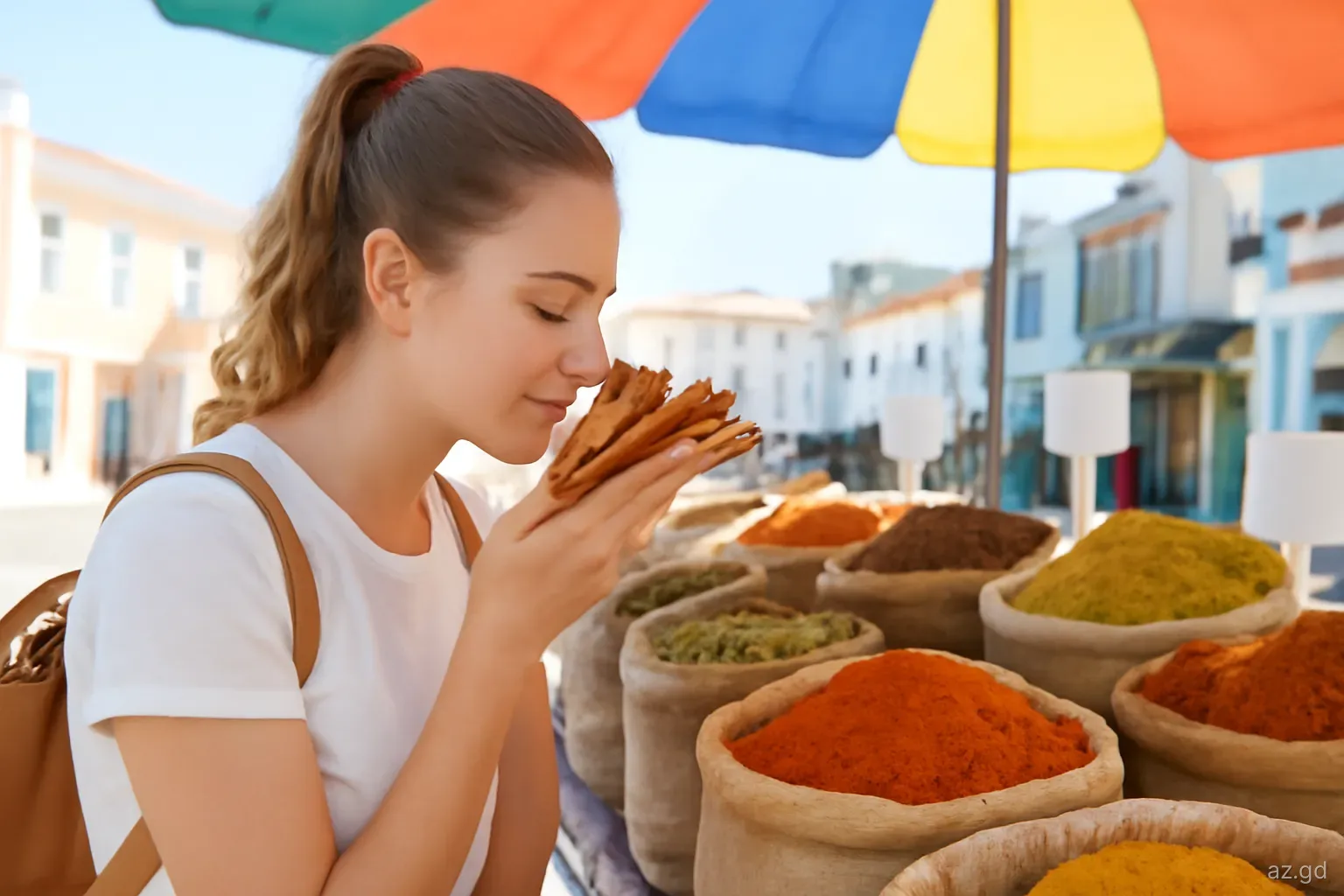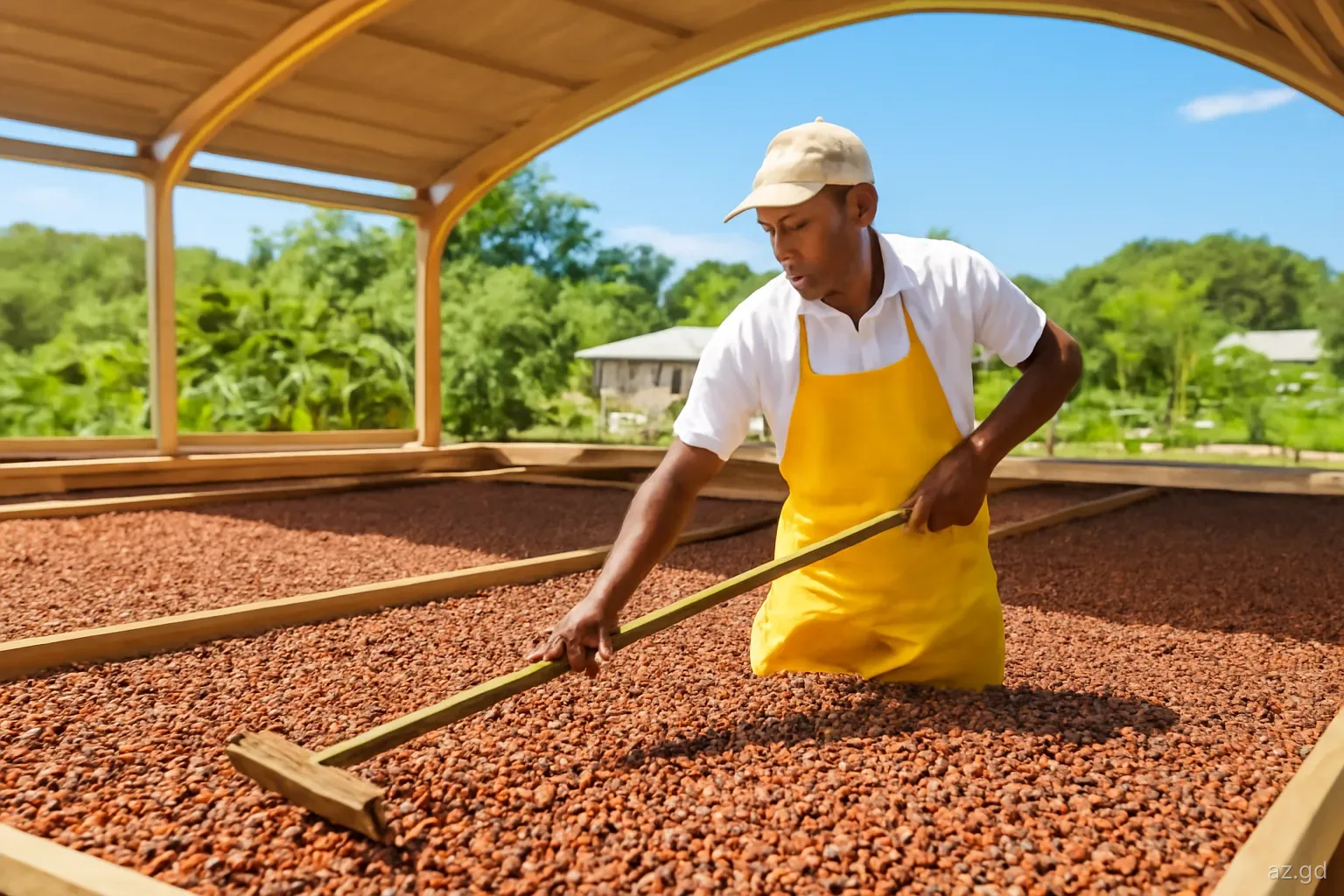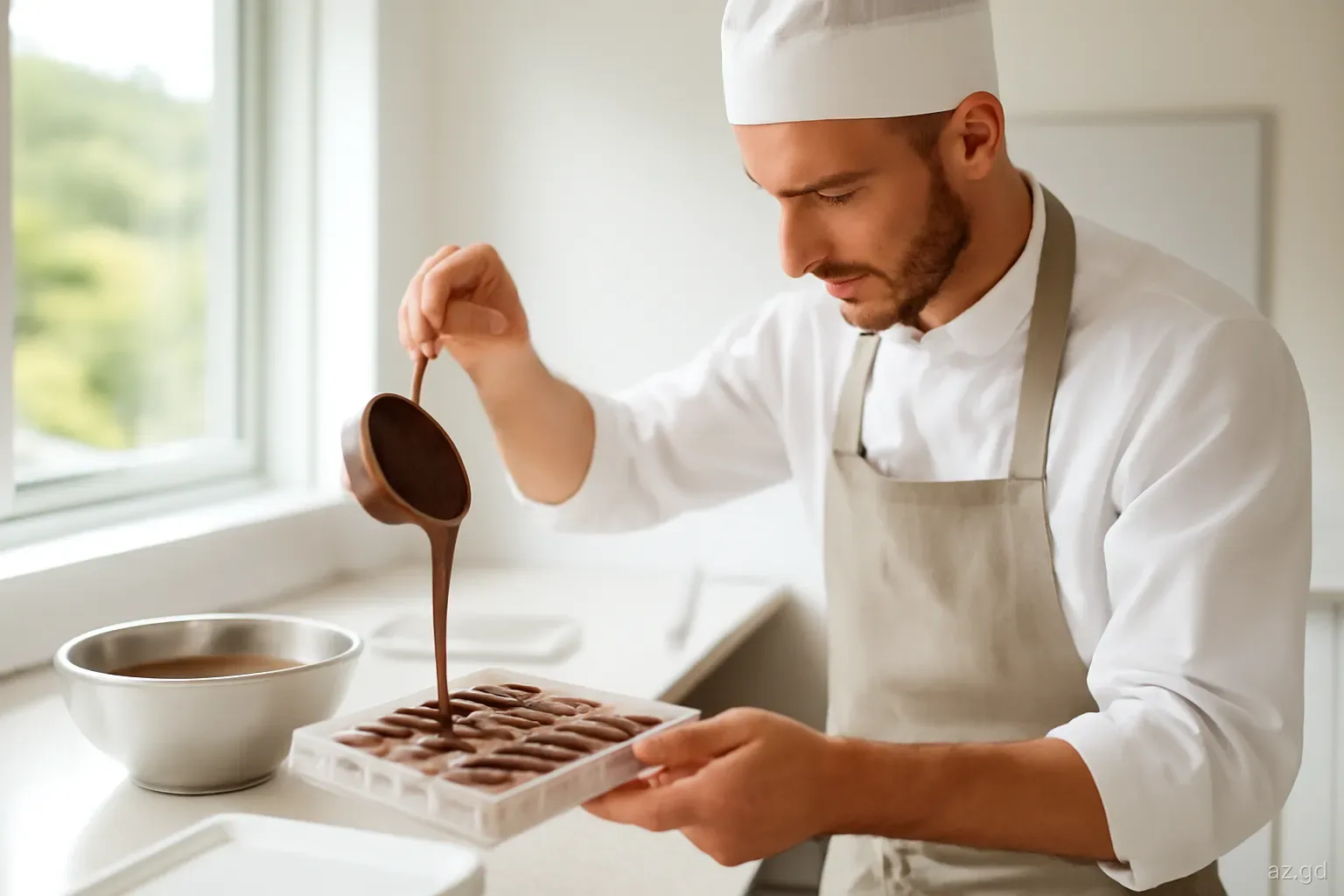
Most of the world's chocolate is made far from where cocoa grows. Grenada is an exception: since the late 1990s a small group of makers has been turning Grenadian cocoa into finished bars on the island itself, a model often called "tree to bar". The result is a chocolate scene far larger than the island's size would suggest, with several makers, estate tours, a chocolate museum in St George's and an annual chocolate festival.
For visitors this is one of the most rewarding food themes on the island. Bars made from local beans are sold in supermarkets and gift shops, but seeing where the cocoa grows and how it is turned into chocolate adds a great deal.
This directory explains who makes chocolate in Grenada, where they are, how visits work, how to buy and carry bars, and what to expect from the taste. Opening hours and tour arrangements change, so always check directly before going.
Why Grenadian chocolate is different
Grenada has grown cocoa for centuries, and its beans have long been sought after by chocolate makers abroad for their flavour. For most of that history, though, the beans were exported raw and the value was added elsewhere. The change began in 1999, when the Grenada Chocolate Company was founded in Hermitage, St Patrick, by Mott Green together with local partners. They built a small factory to make organic dark chocolate on the island from beans grown by a cooperative of nearby farmers.
Green, who died in 2013, became well known internationally for the company's approach: small-scale, organic, solar-powered, and for a time shipping bars to Europe by sailing ship. The company showed that fine chocolate could be made at the source, and other makers followed.
Grenadian bars are usually dark, with high cocoa percentages and relatively little sugar. Flavours vary between makers and harvests, from fruity and bright to deep and earthy, and many bars include local additions such as nutmeg, ginger or sea salt. Tasting two or three makers side by side is the quickest way to notice the differences.
The makers
Grenada Chocolate Company (Hermitage, St Patrick). The pioneer, founded in 1999, making organic dark chocolate from cocoa grown by local farmers. Bars are sold in supermarkets and shops around the island and abroad. Visits to the small factory have been possible by arrangement; check current arrangements before going.
Belmont Estate (St Patrick). A historic working estate that grows and processes its own cocoa and makes chocolate on site. It has a visitor centre, museum, restaurant and chocolate shop, and is one of the easiest places to see cocoa processing and buy bars in one stop.
Diamond Chocolate Factory, maker of Jouvay chocolate (near Victoria, St Mark). Based at the old Diamond Estate on the north-west coast and opened in 2014 with support from partners including the Grenada Cocoa Association. Tours show the chocolate-making process, and bars are sold on site.
Crayfish Bay Organic Estate (Non Pareil, St Mark). A small organic cocoa estate on the north-west coast that supplies beans to craft chocolate makers abroad and makes small quantities of its own chocolate. Visits are usually by arrangement.
Tri-Island Chocolate. A small producer with a farm in the St Andrew hills, known for hands-on sessions where visitors learn about cocoa and make their own bar. Check meeting points and times when booking.
House of Chocolate (St George's). A small chocolate museum, shop and café on Young Street in the capital, close to the National Museum. It explains the history of cocoa and chocolate and sells bars from several local makers, making it a useful stop for cruise passengers short of time.
Planning a chocolate day
The makers are spread around the island, so it helps to group them by area. The north-east, around Hermitage and Belmont in St Patrick, is roughly an hour and a half from Grand Anse by road, and Belmont makes a good lunch stop on a round-island day. The north-west, with Diamond near Victoria and Crayfish Bay at Non Pareil, combines well with the Gouyave Nutmeg Processing Station and Concord Falls on the west coast road.
For visitors staying on the south coast with limited time, the House of Chocolate in St George's and chocolate sold in supermarkets give a good introduction without a long drive. Many tour operators offer chocolate- or spice-themed tours that include one or more makers, with transport handled for you.
Many factories are small operations with limited staff, so tours may run at set times, require booking or be unavailable on some days. Contact makers directly or ask your hotel or the Grenada Tourism Authority for current information before planning a trip around a particular visit.
The Grenada Chocolate Fest
Each year Grenada hosts a chocolate festival, usually in May, with tours of cocoa estates and chocolate factories, tastings, cooking demonstrations, workshops and chocolate-themed meals. The 2026 edition ran over six days in late May. The festival is a good opportunity to visit makers who are otherwise hard to see, meet farmers and try chocolate in savoury dishes as well as sweet ones.
Events are spread across the island and many require advance booking, so plan transport and tickets early. Dates are announced in advance by the organisers and promoted by the Grenada Tourism Authority.
For visitors who cannot come in May, many of the same experiences, such as estate tours, factory visits and bar-making sessions, are available through the year, though on a smaller scale and sometimes only by arrangement.
Buying bars and getting them home
Grenadian chocolate is widely available on the island, but heat is its enemy. Some practical points:
- Where to buy. Supermarkets, pharmacies, gift shops, the House of Chocolate, estate shops and the airport all sell local bars. Prices are often lower in supermarkets than in tourist shops.
- Prices. A standard bar of local dark chocolate typically costs somewhere around EC$10–25 (US$4–9), depending on size, maker and shop. Prices change; check locally.
- Keep it cool. Chocolate melts quickly in a hot car or bag. Buy close to departure, keep bars in an air-conditioned room, and carry them in hand luggage rather than checked bags.
- Expect a different style. Many bars are 60 to 100 per cent cocoa, with little or no milk. They are less sweet than mass-market chocolate.
- Customs. Chocolate is generally permitted into most countries for personal use. Raw cocoa beans and pods may be subject to plant-health restrictions.
Mistakes visitors make with chocolate tours
Most chocolate visits in Grenada go smoothly, but the same few avoidable problems come up again and again, usually because the factories are smaller and more informal than visitors expect:
- Turning up without checking. Small factories may not have someone available for visitors at all times. Book or call ahead.
- Expecting milk chocolate. Most Grenadian bars are dark. Try a range of percentages before deciding.
- Leaving bars in the car. Even a short stop can soften chocolate in the sun.
- Rushing the drive. Roads to St Patrick and St Mark are winding; allow plenty of time and combine visits sensibly.
- Buying everything at the first stop. Prices and selection differ between estate shops, supermarkets and gift shops. Taste first, then buy your favourites near the end of the trip.
- Assuming all Grenada-branded chocolate is made on the island. Check labels; some products may be made abroad with Grenadian cocoa or simply use Grenada in the name.
Frequently asked questions
How many chocolate makers are there in Grenada?
Grenada has several, including the Grenada Chocolate Company, Belmont Estate, the Diamond Chocolate Factory (Jouvay), Crayfish Bay Organic Estate and Tri-Island Chocolate, plus the House of Chocolate museum and shop in St George's. The number changes as small makers start or stop production.
Can visitors tour a chocolate factory in Grenada?
Yes. Belmont Estate and the Diamond Chocolate Factory have offered regular tours, and smaller makers can often be visited by arrangement or through bar-making sessions. Hours and booking requirements change, so check directly or through a tour operator before going.
When is the Grenada Chocolate Fest?
The festival is usually held in May and runs for several days, with estate tours, factory visits, tastings and chocolate-themed meals. Dates for each year are announced in advance by the organisers and the Grenada Tourism Authority.
Is Grenadian chocolate very bitter?
Most Grenadian bars are dark, often 60 per cent cocoa or higher, so they are less sweet than mass-market milk chocolate. Many people find them fruity rather than bitter. Lower percentages and bars with added nutmeg or sea salt are a good starting point.
How should chocolate be packed for the flight home?
Keep bars in an air-conditioned room until departure, pack them in hand luggage away from direct sun, and wrap them in clothing or a cool bag for insulation. Avoid leaving chocolate in a hot car or checked luggage.