Grenada's mountains catch the trade-wind rain, and the water comes down in dozens of waterfalls, from roadside cascades to falls reached only after hours of river walking. Most visitors have time for one or two, so the choice matters. A waterfall that is perfect for a family with small children may be miserable for someone wanting a proper hike, and the other way round.
This comparison covers the falls people most often visit, how hard they are to reach, whether you can swim and what to expect at the entrance. Fees, facilities and trail conditions change, particularly after storms, so confirm locally before you go.
Annandale Falls: the easy one
Where. St George parish, off the Grand Etang road, about 20 minutes' drive from St George's.
Getting to the water. A short, paved path with steps leads from the entrance to the falls; almost anyone can manage it.
What it is like. A single fall of moderate height dropping into a pool surrounded by gardens and tropical plants. Local cliff jumpers sometimes leap from above for tips.
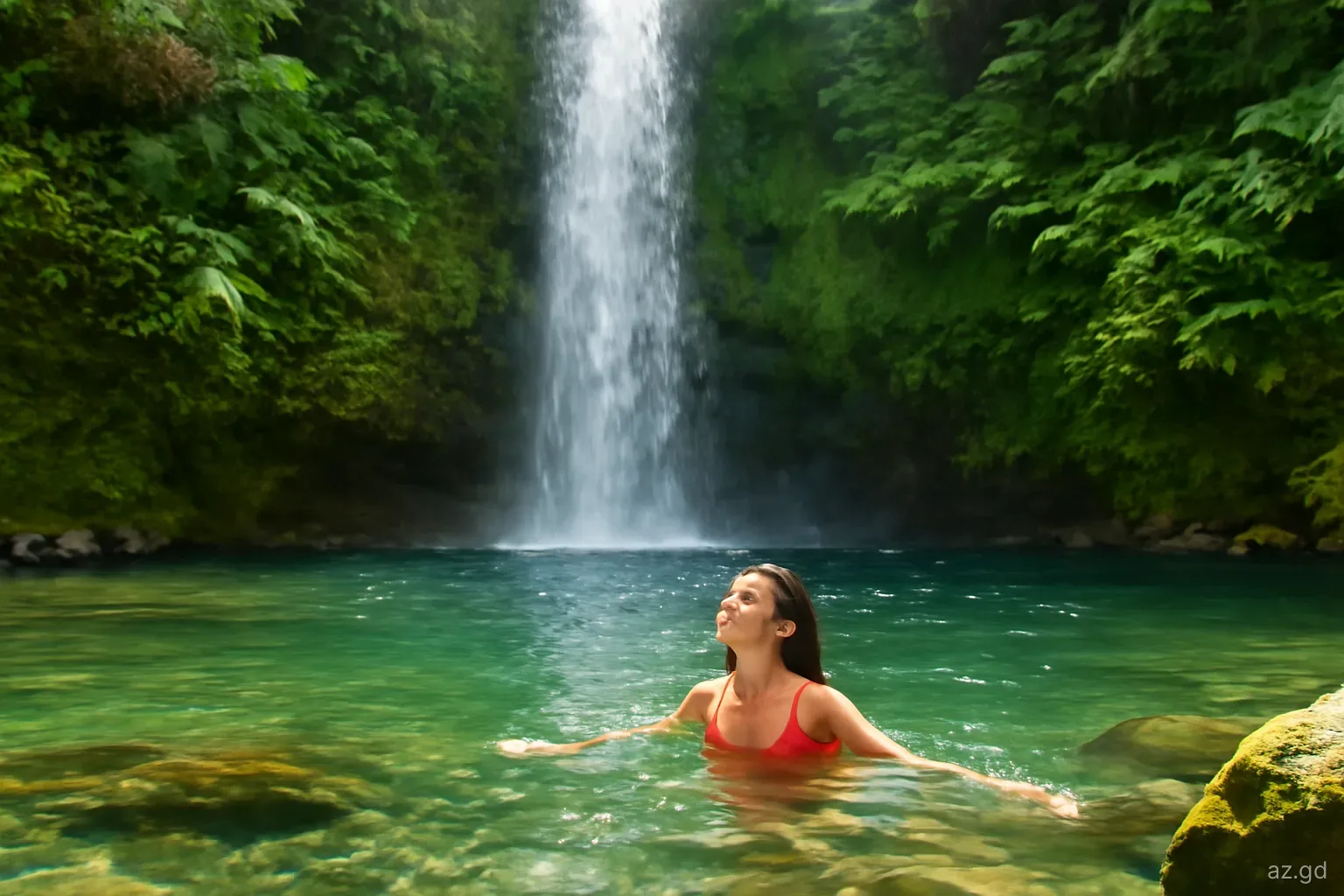
Swimming. Possible in the pool, which is cool and refreshing.
Fees and facilities. A small entrance fee, toilets and vendors. It gets busy when cruise-ship tours arrive.
Who it suits. Families with young children, older visitors, and anyone with limited time or mobility. Not for those wanting a hike.
Getting there without a car. Buses that run between St George's and Grenville over the Grand Etang road can drop you near the turning; ask the conductor, and expect a short walk down to the entrance.
Best time. Early morning or late afternoon, outside the hours when tour groups arrive.
Concord: three falls, three levels of effort
Concord, in St John on the west side of the island, is really a series of falls on the same river. The first Concord fall is right by the end of the road, with a small entrance area, changing facilities and a pool. It takes only a few minutes to reach and is a popular stop on drives up the west coast.
From there a trail follows the river upstream to Au Coin, the second fall, and further to Fontainbleau (often spelled Fountainbleau), the highest of the three. Expect river crossings, slippery rocks and muddy banks. The walk to Fontainbleau typically takes an hour to an hour and a half each way from the first fall, depending on water levels and your pace. Many people go with a guide, which helps with route-finding at the crossings.
The reward is a tall, narrow fall into a deep, cold pool in a forested gorge, with far fewer people than at the first fall. Do not attempt the upper trail after heavy rain, when the river rises and crossings become dangerous.
The drive to Concord is part of the appeal. The road turns inland from the west coast near the village of Concord and climbs through nutmeg and cocoa country, with views back down the valley. Pairing the falls with lunch in Gouyave or a swim at a west-coast bay makes an easy, varied day.
Seven Sisters: the rainforest hike
Seven Sisters Falls lie in the Grand Etang area of St Andrew, reached by a trail that starts from the road a short way beyond the Grand Etang visitor centre towards Grenville. The trail crosses private farmland, and a small entry fee has been collected at the start, with walking sticks often included. Expect to pay a few EC dollars and confirm the current rate.
The descent to the first falls takes roughly 30 minutes to an hour, on a steep path that is muddy most of the year, followed by the same climb back. At the bottom, a pair of falls drop into a pool where you can swim. The name refers to a series of seven cascades on the river; seeing more than the first couple involves scrambling upstream and is best done with a guide.
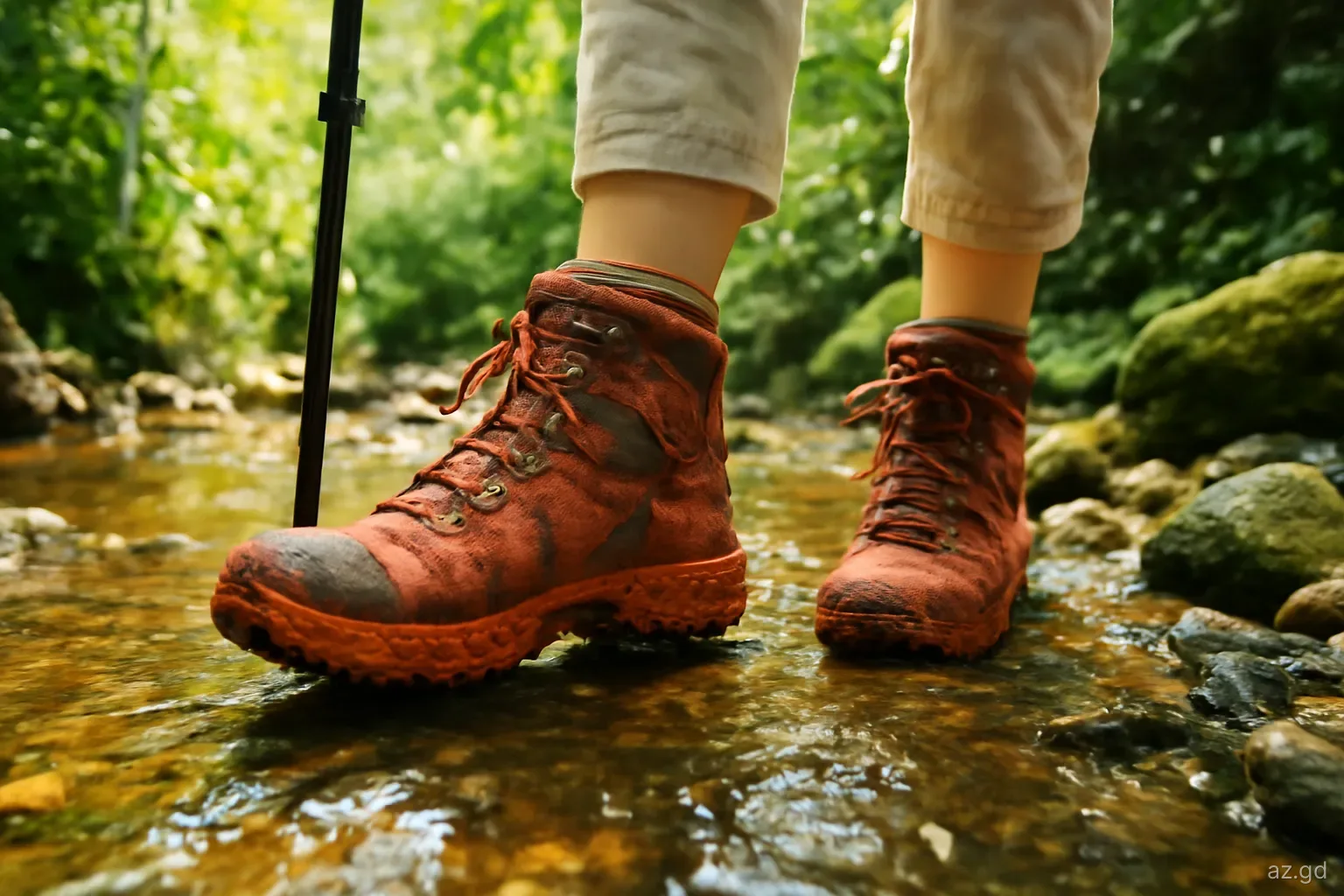
This is the best choice for people who want a real rainforest walk without committing to Mount Qua Qua or Mount St Catherine. Shoes with good grip are essential, and a guide is useful if you plan to go beyond the main pool.
Mount Carmel and Tufton Hall: the tall ones
Mount Carmel (Royal Mount Carmel) Falls. In St Andrew, south of Grenville near the Marquis area. A short but steep, often muddy walk of around 15 to 30 minutes leads down to the falls, which drop over a high rock face in two main sections. It is frequently described as one of the tallest falls in Grenada, with height estimates of roughly 70 to 100 feet. Swimming in the pool below is possible when the flow is moderate.
Tufton Hall Waterfall. In St Mark, inland from Victoria on the slopes of Mount St Catherine. Often cited as the tallest waterfall on the island, at around 80 feet. The approach involves walking up a river valley with many crossings and boulder-hopping, and it is a guide-only trip for most people. It is spectacular after rain but much harder to reach then.
Which is tallest? Sources disagree, partly because heights have rarely been measured precisely and partly because flow varies with the season. Either way, both are taller than Annandale, Concord's first fall or the main falls at Seven Sisters.
How the seasons change the falls
Flow varies a great deal through the year. Late in the dry season, around April and May, some falls shrink to a thin ribbon and pools may be shallower and warmer; the trails, on the other hand, are at their firmest. From the start of the rainy season in June, the falls swell, the forest is greener and the spray more dramatic, but paths become slick and river crossings deeper.
For most visitors the shoulder periods, early in the dry season from January to March and the first weeks of the rains, give a good balance of decent flow and manageable trails. In the wettest months, roughly August to November, choose falls with short, simple approaches such as Annandale, the first Concord fall or Mount Carmel, and leave the river walks for drier weather.
Safety at any waterfall
Waterfalls cause more injuries in Grenada than the trails leading to them. Keep these rules in mind:
- Watch the weather upstream. Rain in the mountains can raise a river quickly, even under blue sky at the falls. If the water turns brown, rises or starts carrying leaves and debris, leave the riverbed immediately.
- Do not jump unless you know the pool. Depth changes after storms as rocks and gravel move. Leave cliff jumping to the locals who check it regularly.
- Rocks are slippery. Algae-covered stones near the base of falls are the main cause of falls and fractures. Move slowly and use your hands.
- Keep away from the base of tall falls. Falling water can carry branches and loose stones.
- Mind your valuables. Do not leave bags unattended on the bank or in a parked car at an isolated trailhead.
- Respect private land. Several trails cross farms; stay on the path and pay the access fee where one is collected.
Choosing quickly
If you have one afternoon and children in tow, choose Annandale, or the first fall at Concord if you are on the west coast. If you want a proper walk with a swim at the end, Seven Sisters is the classic choice, easily combined with Grand Etang. If you are driving to the east coast, Mount Carmel is a short detour from Grenville with a big payoff. For the most dramatic setting and fewest people, Fontainbleau or Tufton Hall, ideally with a guide, are worth the effort.
Whichever you choose, aim to arrive in the morning. Light filters better into the gorges, the cruise-ship tours have not yet arrived at the busier falls, and afternoon showers are less likely to catch you on a slippery trail.
Frequently asked questions
What is the easiest waterfall to visit in Grenada?
Annandale Falls, off the Grand Etang road in St George parish, is the easiest. A short paved path leads to the pool, and there are toilets and vendors. The first Concord fall in St John is also only minutes from the road, with changing facilities and a pool.
Which waterfall in Grenada is the tallest?
Tufton Hall Waterfall in St Mark is often cited as the tallest, at around 80 feet, though Royal Mount Carmel Falls in St Andrew is described as the highest in some sources. Heights have rarely been measured precisely and vary with flow, so treat any figure as approximate.
Do you need a guide for Seven Sisters Falls?
Not to reach the main pool, which is a steep but well-used trail of 30 minutes to an hour each way. A guide is recommended if you want to go beyond the first falls to see the other cascades, which involves scrambling upstream on slippery rocks.
Can you swim at Grenada's waterfalls?
At most of the popular falls you can swim in the pool at the base, including Annandale, Concord, Seven Sisters and Mount Carmel. Water is cool and refreshing. Avoid swimming after heavy rain, never jump without knowing the depth, and keep away from the falling water itself.
How much do waterfall entrance fees cost in Grenada?
Fees at the managed falls are usually modest, often a few EC dollars or a couple of US dollars per person, and some trails across private land charge a small access fee. Amounts change, so carry small EC notes and confirm locally.
Is it safe to visit waterfalls in the rainy season?
It can be, with care. Falls are fuller and more impressive, but trails are muddier and rivers can rise quickly after rain in the mountains. Stick to the easier falls after heavy showers, leave the riverbed if the water changes colour and avoid river walks to Tufton Hall or Fontainbleau.