Oil down is the dish Grenadians name first when asked what to eat, and it is the official national dish. It is a one-pot stew of breadfruit, salted meat, chicken or fish, flour dumplings and dasheen leaves, cooked slowly in coconut milk coloured with turmeric until almost all the liquid has been absorbed. What remains at the bottom of the pot is a thin film of coconut oil — which is where the name comes from.
It is filling, rich, heavily seasoned and rarely eaten alone. An oil down is usually cooked for a crowd: at a river lime, on a beach on a public holiday, at a community fundraiser or in a backyard on a Sunday. That social side explains why visitors sometimes struggle to find one on a restaurant menu, and why it is worth knowing when and where it is sold.
This page explains what goes into the pot, how it is cooked, the regional variations, and the practical side: where a visitor can eat a proper plate and what to expect when it arrives.
What goes into the pot
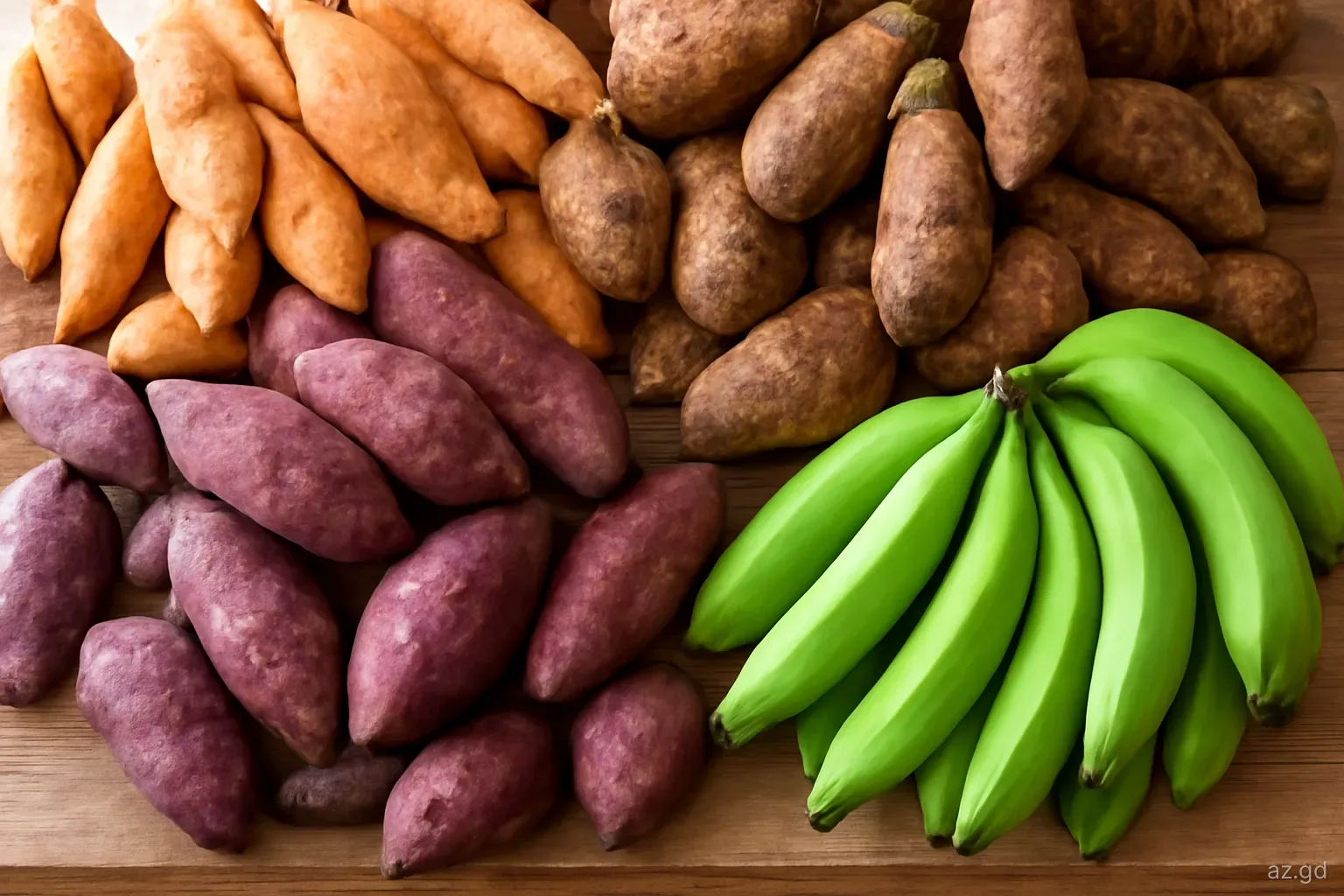
Breadfruit. The base of every oil down. A mature but firm breadfruit is peeled, cored and cut into thick wedges. It soaks up the coconut milk and seasoning and gives the dish its body. Without breadfruit it is not an oil down, whatever else is in the pot.
Salted meat. Pig tail, salt pork, pig snout or salt beef, soaked or parboiled first to draw out some of the salt. Many cooks add chicken as well, and coastal households often use fish or saltfish. The salted meat seasons the whole pot, which is why the dish rarely needs extra salt.
Dumplings. Simple flour-and-water dumplings, rolled into long fingers or flat rounds and laid on top so they steam. Some cooks mix in a little cornmeal.
Callaloo. Young dasheen leaves, stripped of their tough stems, are spread over the top as a lid of greens. They wilt into the sauce and add an earthy, spinach-like flavour.
Coconut milk and seasoning. Fresh coconut milk, squeezed from grated dry coconut, is the cooking liquid. It is seasoned with turmeric (which Grenadians call "saffron"), onion, garlic, chive, thyme, celery and a whole hot pepper laid in carefully so it perfumes the pot without bursting. Green fig, carrot, dasheen or christophene sometimes go in too.
How an oil down is cooked, layer by layer
Every family has its own order, but the logic is the same everywhere: the ingredients that need longest go at the bottom, the quickest at the top, and the pot is not stirred once it is covered.
- Soak or boil the salted meat to reduce the salt, and season any fresh chicken or fish with green seasoning the night before or a few hours ahead.
- Grate the dry coconut and squeeze it with water to make a generous quantity of coconut milk. Cooks who make oil down often do this by hand with a grater and a cloth.
- Lay the meat in the bottom of a large heavy pot, then add the breadfruit wedges and any root vegetables in layers.
- Pour in the coconut milk mixed with turmeric, add the herbs and the whole pepper, and bring it to a boil.
- Lay the dumplings on top, then cover everything with the callaloo leaves and put the lid on.
- Cook on a steady heat for roughly an hour to an hour and a half, until the breadfruit is soft and the liquid has cooked down to a shiny film of oil at the bottom. Shake the pot rather than stirring, so the breadfruit does not break up.
The oil down as a social event
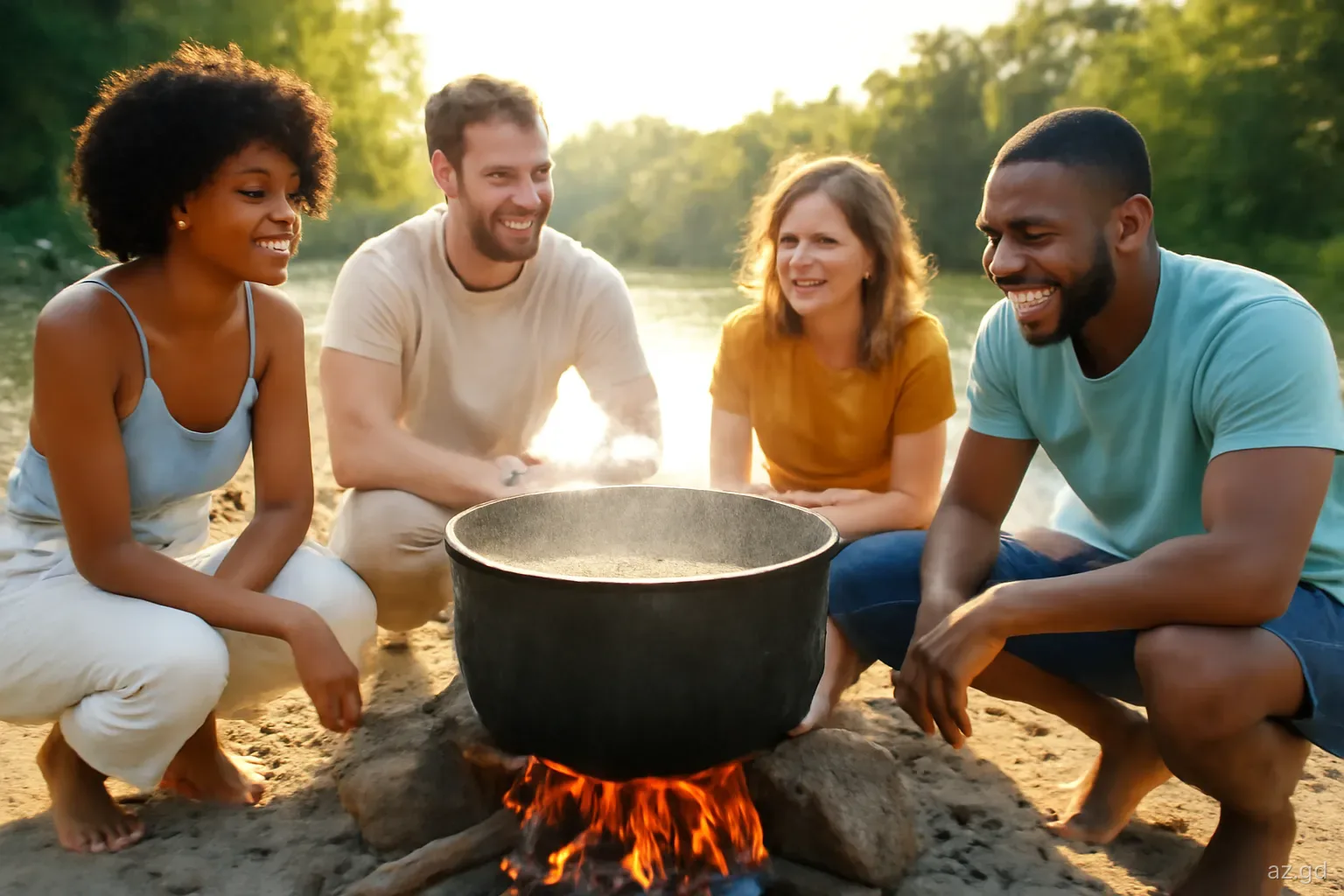
In Grenada an oil down is as much an occasion as a recipe. A group of friends will agree to "cook an oil down" at a river or beach on a holiday weekend, with each person bringing something: one brings the breadfruit from a tree at home, another the salt meat, someone else the coconuts and firewood. Men often take charge of the pot at these outdoor limes, cooking over three stones and a wood fire, and the cooking itself, with plenty of talk and advice from onlookers, is part of the fun.
The dish is also a fixture at village fundraisers, church events and sports days, where plates are sold to raise money. Many Grenadians abroad cite oil down as the taste of home, and it often appears at diaspora gatherings in New York, Toronto and London.
For visitors this means the best oil down is often one cooked for an event rather than for a restaurant. If a host, a guesthouse owner or a taxi driver mentions an oil down happening on a public holiday, it is usually worth accepting the invitation and offering to contribute something to the pot.
Where visitors can actually eat a plate
Because it takes well over an hour to cook and is made in large quantities, oil down is rarely on a daily menu. Instead, local restaurants and roadside cooks tend to make it on particular days and sell it until the pot is empty, usually from late morning. Small eateries in St George's, Grenville and the country towns sometimes advertise an oil down day on a chalkboard, and some hotels include it in a weekly Grenadian buffet.
Island tours often stop at places that serve local lunches, and some operators and guesthouses run oil down cooking sessions where you help prepare the pot. The Grenada Tourism Authority and local tour operators can point to current options. Community events across the parishes, particularly around public holidays, are another reliable source.
A plate from a local cook typically costs somewhere around EC$20–40 (about US$7–15), more in hotels and tourist restaurants. Prices change, so treat these as a rough guide. The simplest approach is to ask locally a day or two ahead: "Who is cooking oil down this week?" is a perfectly normal question in Grenada.
Variations around the islands
Chicken oil down. The most common version in restaurants, with chicken alongside or instead of the salted meat. Milder and often the safest choice for a first try.
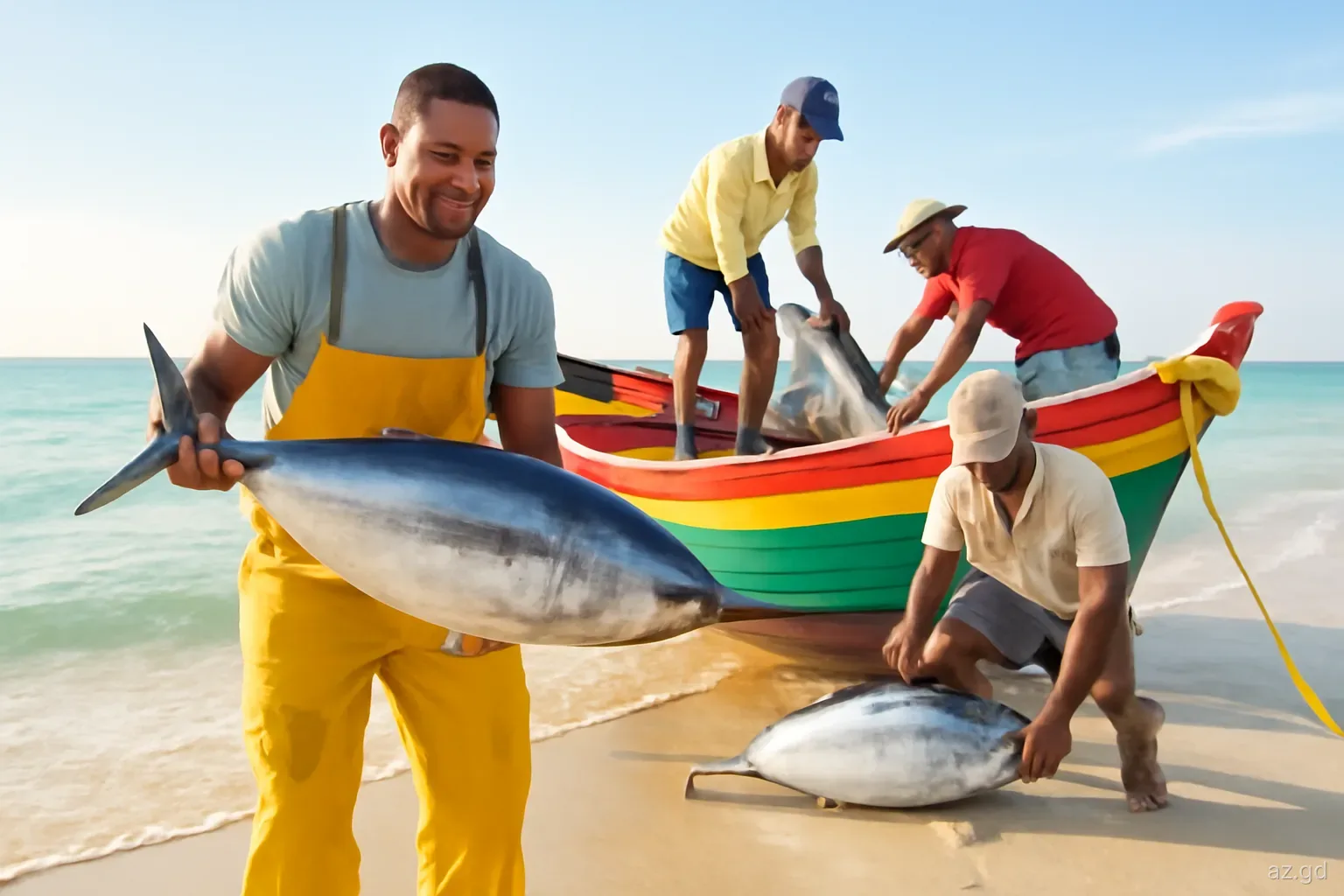
Fish or seafood oil down. Coastal communities, including Gouyave and the fishing villages of the east coast, often use fresh fish, saltfish or crab. Saltfish gives a stronger, saltier flavour.
Pork-free and vegetarian pots. Cooks catering for Seventh-day Adventists, Rastafarians or visitors who avoid pork will leave out the salted pig parts. A vegetarian oil down relies on breadfruit, dumplings, callaloo, root vegetables and coconut milk; it is less common but can be requested from a cook in advance.
Carriacou and Petite Martinique. Oil down is cooked on the sister islands too, though the smaller islands have their own traditions of festive food. Breadfruit is less abundant there in dry spells, so pots can vary with what is available.
Dry versus wet. A well-made oil down is moist but not soupy. Some cooks like it a little wetter, with more sauce to spoon over the breadfruit; others cook it right down until the oil separates. Both are considered correct, and people argue about it cheerfully.
Before your first plate: what to expect and what to avoid
Oil down is generous food, and a few points make the first encounter easier:
- It is heavy. Breadfruit, dumplings and coconut make a substantial meal. Plan a gentle afternoon rather than a long hike or a dive straight afterwards.
- Expect salt and bones. Salted pig tail and snout are fatty and bony, and the pot carries their saltiness. Ask for "more chicken" if you prefer less pork.
- The pepper is usually whole. The dish is aromatic rather than fiery, but if the pepper has burst it can be hot. Avoid biting into any yellow or red pieces.
- Turmeric stains. The yellow sauce marks clothes and wooden surfaces quickly.
- Eat it fresh. Oil down is best within a few hours of cooking. A plate that has sat warm all afternoon is less appealing and, in the heat, less safe.
- Do not judge it by appearance. It is a brown-and-yellow jumble of breadfruit and greens; the flavour is the point.
Frequently asked questions
Why is it called oil down?
The name comes from the way it is cooked. The coconut milk is simmered until it is almost completely absorbed by the breadfruit and dumplings, leaving a thin layer of coconut oil at the bottom of the pot. Cooks say the pot has "oiled down" when it reaches that point.
Is oil down spicy?
Usually not very. A whole hot pepper is added for aroma and left unbroken, so the heat stays mild. If the pepper bursts during cooking the pot can become hot, and pepper sauce is often offered on the side for those who want more.
Can oil down be made without pork?
Yes. Chicken, fish, saltfish or crab can replace the salted pig parts, and some cooks make a vegetarian version with breadfruit, dumplings, callaloo and root vegetables. Ask in advance, as most pots are made with salted meat unless requested otherwise.
When is the best time to find oil down?
Weekends and public holidays are the most reliable times, when local cooks, community groups and some restaurants make large pots. Many eateries cook it on a set day of the week and sell it from late morning until it runs out.
Can oil down be cooked outside Grenada?
It can, wherever breadfruit and coconut are available. Grenadians abroad use canned coconut milk and frozen or imported breadfruit. The result is close, though most agree that freshly squeezed coconut milk and a breadfruit picked that morning make a real difference.
Is oil down the same as the Jamaican or Trinidadian version?
Similar one-pot breadfruit dishes exist in Trinidad and Tobago and elsewhere in the eastern Caribbean, but oil down is closely identified with Grenada, where it is the national dish. Seasoning, the use of turmeric and the choice of meats vary from island to island.