For many Grenadians, roti is lunch. A soft flatbread folded into a parcel around curried chicken, goat, beef, conch or vegetables, it is cheap, filling, easy to eat on the move and sold in towns all over the island. Office workers in St George's queue for it at midday; drivers stop for one on the road to Grenville; and students buy it after school.
The dish came with the indentured labourers from India who arrived in Grenada from 1857 onwards, and it has become as Grenadian as oil down. The style most common here is close to the Trinidadian roti, but it has its own habits, and ordering it well involves a couple of decisions first-timers do not expect.
This guide covers what makes a Grenadian roti, the fillings, how to order, roughly what it costs and the mistakes to avoid.
Where roti comes from
After emancipation, plantation owners across the British Caribbean looked for new sources of labour. Between 1857 and the 1880s several thousand indentured workers were brought from India to Grenada, mainly to work on estates. Many stayed when their contracts ended, and their descendants are now part of communities across the island, especially in the rural parishes.
They brought curry, flatbreads, split peas and spices such as cumin, turmeric and fenugreek, and over generations these merged with Grenadian ingredients and tastes. Roti in its wrapped, filled form developed in the southern Caribbean, particularly in Trinidad and Tobago, and spread to Grenada through migration, trade and the close family links between the two countries.
Indian heritage in Grenada is quieter than in Trinidad, but it shows up clearly in food: curry is a standard Sunday dish, turmeric colours the national dish, and roti is one of the most popular lunches on the island.
What a Grenadian roti actually is
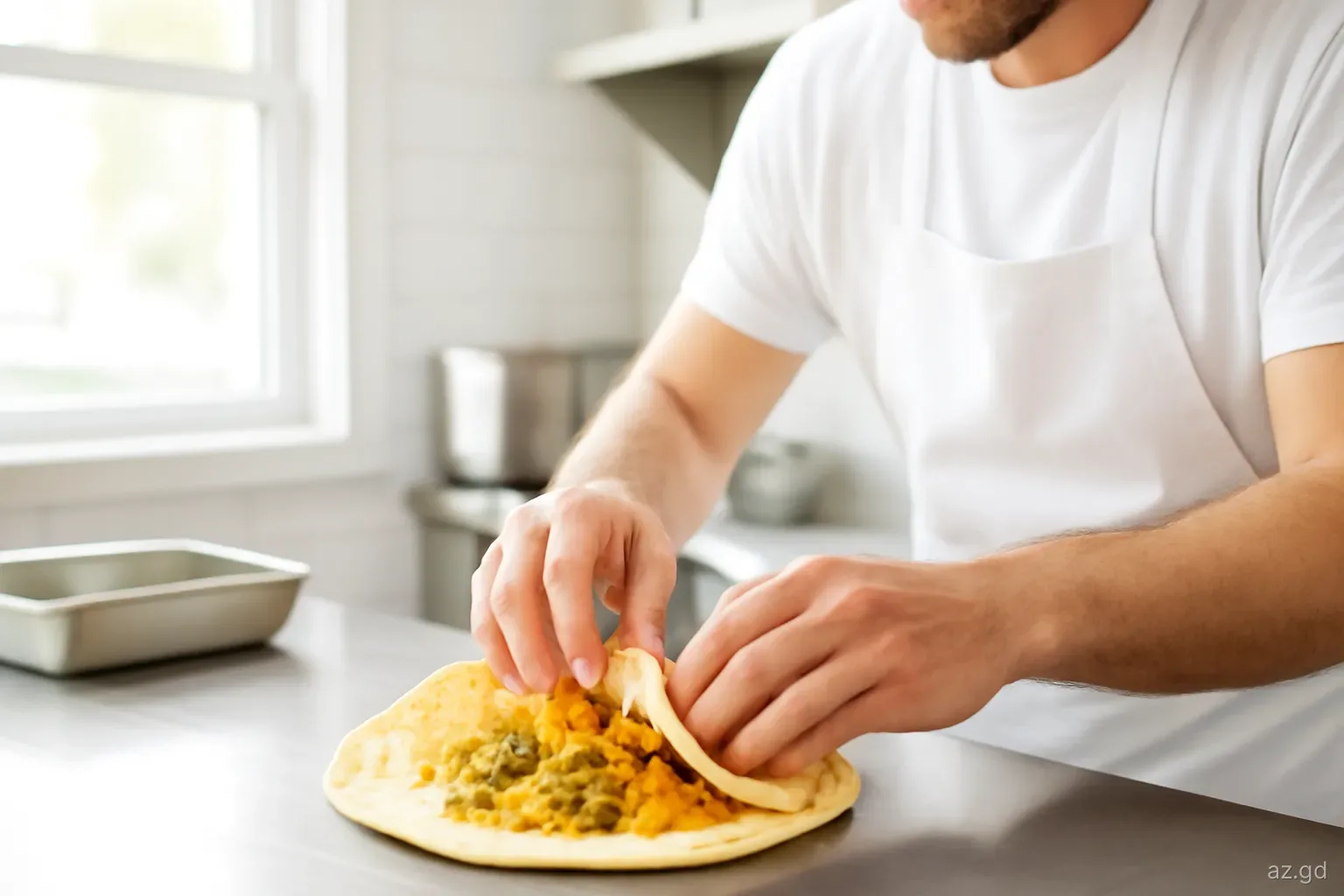
The skin. The flatbread, called the "skin", is usually a dhal puri: dough rolled thin with a layer of seasoned ground split peas inside, then cooked on a flat iron griddle called a tawa. It is soft and slightly flaky. Some places also make a plain paratha-style skin.
The filling. A thick curry with potato is spooned onto the centre of the skin. The potato is not filler; it is part of the dish and soaks up the curry sauce.
The fold. In Grenada the skin is normally folded into a closed square parcel, so you eat it like a large wrap. Some places will serve the skin and curry separately on a plate for eating with your hands.
The extras. Pepper sauce is the usual addition, sometimes a sweet mango or tamarind chutney. Curried channa (chickpeas) is often included with vegetable roti and sometimes mixed into meat fillings too.
The size. One roti is a full meal for most people. Grenadian rotis are generous and heavy, and many people find half is enough if they are not very hungry.
The fillings you will see
Not every shop offers every filling every day, and the most popular ones run out first. These are the standard options:
- Chicken. The most common filling, either with bone or boneless. Boneless costs a little more.
- Goat. Richer and more strongly flavoured; usually cooked on the bone, which means small bones in the parcel.
- Beef. Less common than chicken but widely available.
- Conch (lambi). A favourite in Grenada. Tenderised conch curried with potato, typically more expensive than chicken.
- Shrimp or fish. Offered at some places, more often in tourist areas.
- Vegetable. Potato and channa, sometimes pumpkin or bodi (long beans). A reliable choice for vegetarians, though it is worth asking whether any meat stock was used.
- Mixed. Some shops will combine fillings, such as chicken with extra channa or pumpkin, if you ask. It costs little or nothing extra at most places.
How to order a roti without fuss
Ordering is quick, but the person serving will usually ask two or three questions. Knowing them in advance helps:
- Choose the filling, and say whether you want it boneless or with bone. If you say nothing, chicken and goat may come with bones.
- Answer the pepper question. "Pepper?" means whether you want hot pepper sauce added inside. "A little" is the safe answer on a first try; Grenadian pepper sauces made from Scotch bonnet-type peppers can be very hot.
- Say whether you want it wrapped to take away or served on a plate. Takeaway rotis are usually wrapped in foil or paper, sometimes in a box.
- Ask about drinks or sides if you want them: many roti places sell local juices, and some offer extra curry or channa.
- Pay at the counter. Cash in EC dollars is standard at small places, though cards are increasingly accepted in town.
When and where roti is sold, and what it costs
Roti is a lunchtime food. Most roti shops and small restaurants start serving late in the morning and are busiest between about 11:30 and 2:00. The best fillings sell out by mid-afternoon, and many smaller places close once the pots are empty. In St George's, roti is sold around the Carenage, Market Square and the streets near the bus terminal; Grenville, Gouyave, Sauteurs and the south-coast areas such as Grand Anse also have regular sellers.
Some places cook roti only on certain days, and Fridays and Saturdays are often busy. Hotels and beach bars sometimes offer roti too, usually at higher prices.
As a rough guide, a chicken roti from a local shop costs somewhere around EC$15–25 (about US$6–9), with conch, shrimp and boneless options costing more and tourist-area prices higher. Prices change with the cost of imported flour and meat, so check on the day. It remains one of the best-value full meals in Grenada.
Mistakes first-timers make
Roti is easy to enjoy, but these small errors are common:
- Forgetting to say boneless. Goat and some chicken come on the bone, chopped into small pieces. Fine on a plate; awkward inside a wrap.
- Accepting full pepper. Say "a little" until you know the shop's sauce.
- Eating it in a hire car. Curry sauce drips. Eat it at a table or on a bench, with plenty of napkins.
- Arriving at 3pm. By mid-afternoon many places have run out of the popular fillings or closed.
- Ordering two. One is a full meal; buy a second only if you have seen the size.
- Assuming vegetable means vegan. Some vegetable curries use butter, ghee or meat stock. Ask.
- Leaving it to sit. A roti wrapped in foil and left in a hot car for an hour turns soggy and is less safe to eat. Buy it close to when you plan to eat.
Curry beyond the roti
Roti is the best-known Indian-influenced dish in Grenada, but curry runs through Grenadian cooking far beyond the lunch counter. Curry chicken and curry goat are standard dishes at Sunday lunches, weddings, wakes and christenings, served with rice, ground provisions or dhal. Curried conch and curried crab are favourites in coastal villages. Grenadian curry powder blends, sold in every supermarket and at Market Square, are usually heavy on turmeric, coriander and cumin, and many cooks toast the powder in hot oil before adding the meat, a step known across the Caribbean as "burning" the curry.
The skins themselves can be bought separately at some roti shops and supermarkets, which is useful for self-caterers: buy a few dhal puri skins, cook a pot of curry at home, and assemble your own. Leftover skins keep for a day or two wrapped in a cloth, or longer in the freezer.
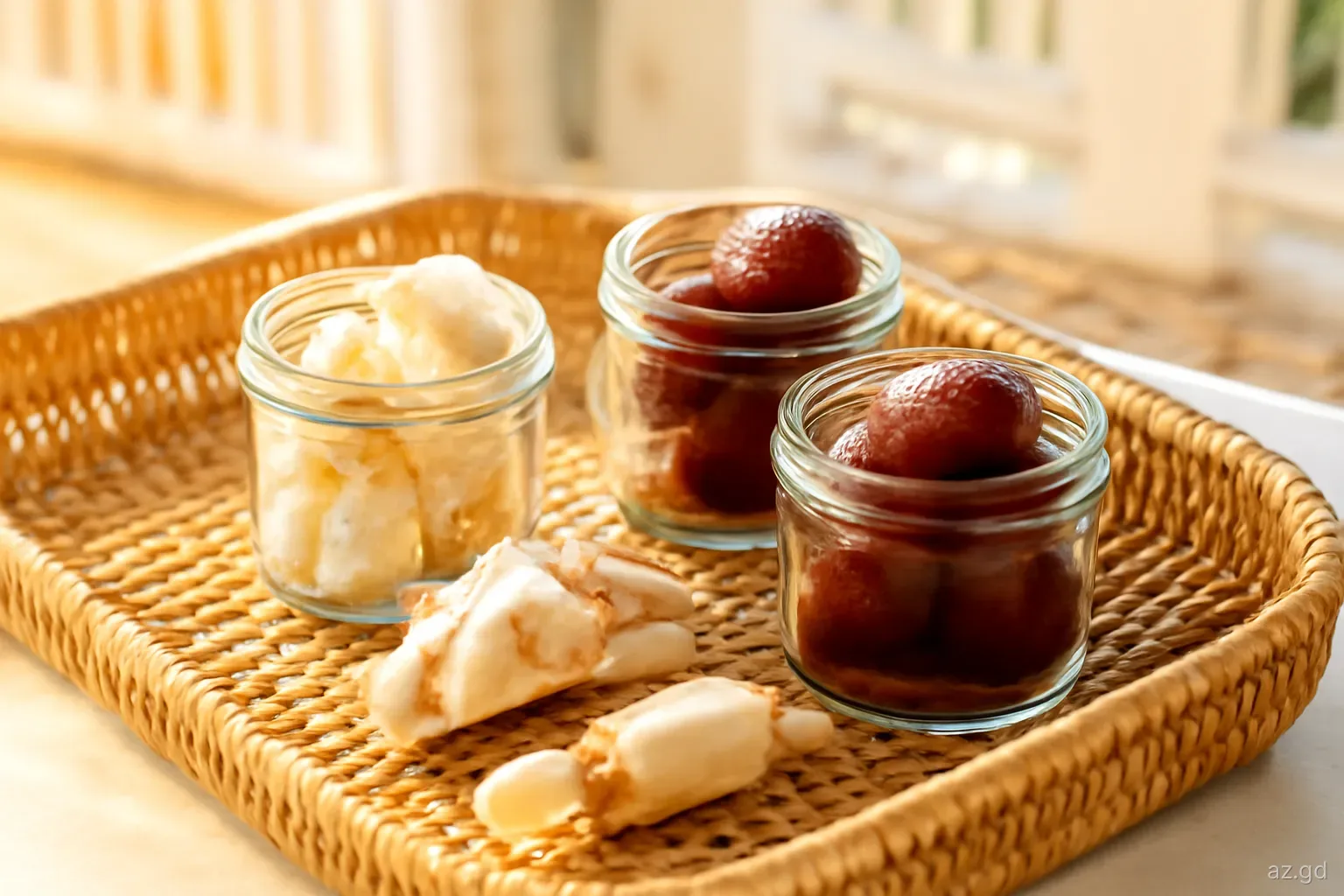
Indian-origin sweets such as kurma, a crunchy fried dough coated in ginger-flavoured sugar, are also sold in small bags at shops and markets, often near the same places that sell roti.
Frequently asked questions
What is the difference between Grenadian and Trinidadian roti?
They are very similar, and the Grenadian style came largely through links with Trinidad. Trinidad has a wider range of roti styles, including buss up shut and doubles, which are less common in Grenada. Grenadian roti is usually a dhal puri skin folded around a potato-based curry.
Is roti spicy?
The curry itself is usually flavourful rather than hot. The heat comes from pepper sauce, which is added only if you ask for it or answer yes when asked. Say "a little pepper" for a moderate amount, or no pepper at all if you prefer.
Is there vegetarian roti in Grenada?
Yes. Vegetable roti with potato and channa is widely available, sometimes with pumpkin or other vegetables. Ask whether the curry contains meat stock or butter if you are strictly vegetarian or vegan.
What is lambi roti?
Lambi is the Grenadian name for conch. Lambi roti is filled with tenderised conch cooked in curry with potato. It is a local favourite, usually more expensive than chicken, and not every roti shop has it every day.
Can roti be eaten for breakfast or dinner?
It can, but it is mainly a lunchtime food in Grenada, and many roti shops open late morning and close in the afternoon. Some restaurants serve roti in the evening, but choice is usually best around midday.